
Does your dog ignore your calls or jump on guests the moment they walk in? You’re not alone every dog owner dreams of a polite, responsive, and joyful companion. The good news? With the right dog obedience training, that dream can easily become reality.
Training isn’t just about commands; it’s about communication. Obedience training helps dogs understand what’s expected of them and strengthens the bond between you and your furry friend. It’s the foundation for leash manners, social behavior, and emotional balance.
Whether you’re raising a playful puppy or fine-tuning the manners of an adult dog, obedience training brings peace to your home and confidence to your pup.
In this complete guide, Bark and Care will walk you through proven, positive, and practical methods to make your dog obedient, focused, and happy without stress or frustration.
What Is Dog Obedience Training and Why It Matters

Dog obedience training teaches your dog to follow basic commands and behave appropriately in different situations. It’s the key to preventing unwanted behaviors like jumping, barking, or pulling on the leash.
Obedience training starts with the “core five” commands: sit, stay, come, down, and heel. These build structure and help your dog understand your expectations. Once your pup masters these basics, advanced training becomes much easier.
But obedience isn’t just about rules it’s about your relationship. Training builds trust and respect, ensuring your dog feels safe following your lead. It also reduces anxiety, promotes safety during walks, and allows you to include your pup in more parts of your daily life confidently.
At Bark and Care, we believe every well-trained dog is a happy dog and every happy dog makes a happy home.
Essential Commands Every Dog Should Know
When it comes to dog obedience training, consistency is everything. Begin with these essential commands that set the foundation for good behavior:
1. Sit
Teach your dog to sit by holding a treat above its nose and moving it backward. As the dog’s bottom hits the ground, say “Sit” and reward immediately. This helps during feeding time, greetings, and leash attachment.
2. Stay
Once your dog understands “sit,” extend it to “stay.” Hold your palm out, say “Stay,” and take a small step back. Gradually increase distance and duration. This command teaches patience and impulse control.
3. Come
Use a cheerful tone, kneel down, and call your dog’s name followed by “Come!” Reward generously when they arrive. This recall command is essential for safety especially outdoors.
4. Down
This teaches calmness. Ask your dog to sit, then lure it down with a treat. Use “Down” calmly, never forcefully. Great for helping overexcited dogs relax.
5. Heel
Perfect for leash manners. Keep your dog beside you as you walk, rewarding for eye contact and calm pacing. Over time, your dog will learn that walking with you not ahead earns praise.
Mastering these commands builds your dog’s confidence and your control. The more you practice, the more your dog will respond with joy and reliability.
Positive Reinforcement Techniques That Work
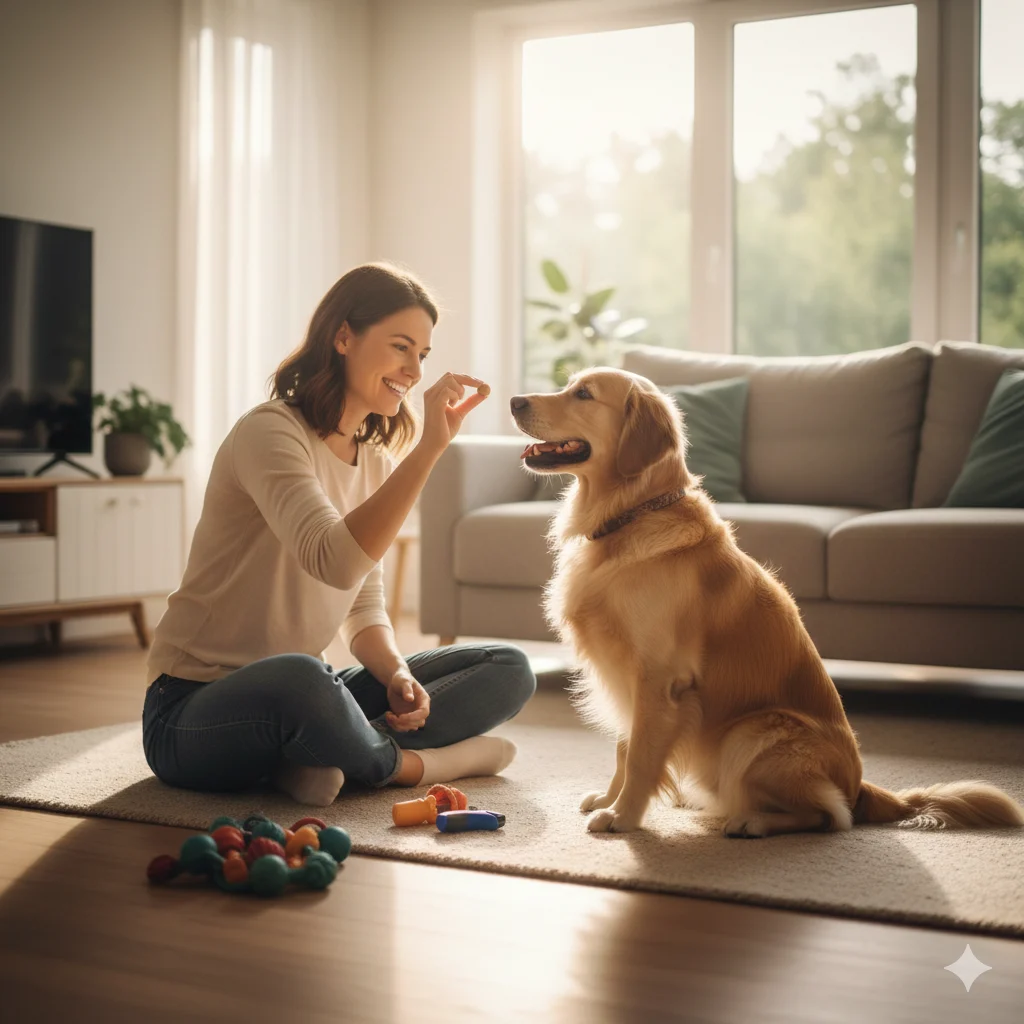
Modern dog obedience training focuses on positive reinforcement rewarding the behavior you want instead of punishing mistakes. This approach is proven to create lasting results and strengthen trust.
Here’s how to make it work effectively:
1. Use High-Value Rewards:
Find what motivates your dog most tasty treats, toys, or affection. Use it consistently when your dog obeys a command correctly.
2. Timing Is Everything:
Reward immediately after your dog performs the behavior. A delay can cause confusion and weaken learning.
3. Keep Sessions Short:
Dogs learn best in 5–10 minute bursts. Frequent, short sessions are better than long, tiring ones.
4. Gradually Reduce Treats:
Once your dog reliably obeys, start replacing treats with praise or play. This prevents dependency and builds natural obedience.
5. Stay Positive:
Never punish mistakes. Redirect gently, repeat calmly, and celebrate every success. Your patience and tone shape your dog’s attitude toward training.
With positive reinforcement, your dog learns that listening to you brings happiness not fear. That’s the foundation of lifelong obedience.
Common Mistakes in Dog Obedience Training (and How to Avoid Them)
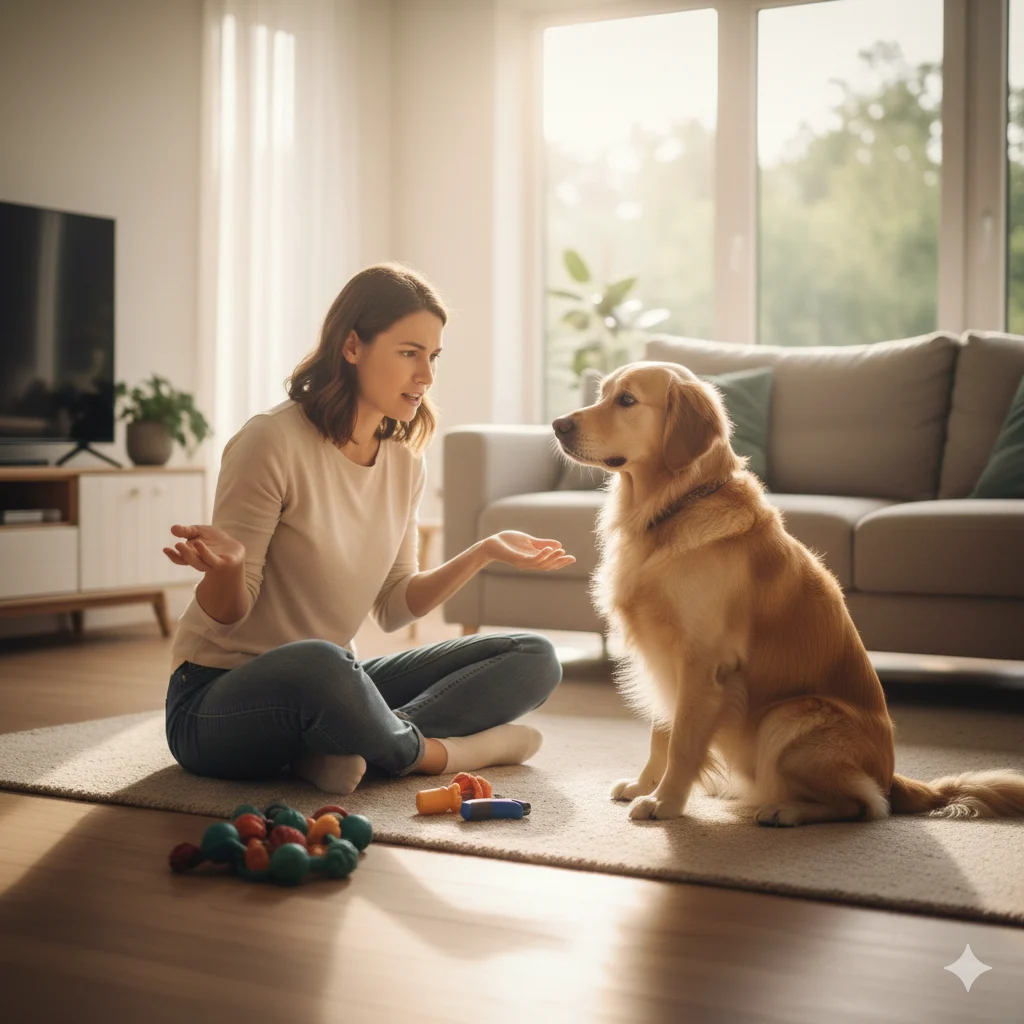
Even the most dedicated owners make training errors. Avoiding these mistakes can save you time and frustration:
1. Inconsistent Commands:
If one family member says “Down” and another says “Lay,” your dog gets confused. Choose one word for each command and stick with it.
2. Skipping Socialization:
Training a dog in isolation limits success. Introduce new people, dogs, and environments so your pup learns to focus anywhere.
3. Overusing Treats:
Treats are great motivators, but too many can cause dependence. Mix in verbal praise, playtime, or affection as rewards.
4. Training When Frustrated:
Dogs sense your mood. If you’re impatient or stressed, pause and resume when you’re calm. Training should always feel like teamwork.
5. Expecting Overnight Results:
Every dog learns at its own pace. Progress, not perfection, is the goal. Consistency and kindness are your best tools.
By steering clear of these pitfalls, you’ll see faster progress and create a stronger, more trusting bond with your dog.
CONCLUSION:
A well-trained dog doesn’t just follow commands it follows your heart. Dog obedience training is more than discipline; it’s about communication, mutual respect, and love.
With patience, practice, and positive reinforcement, your dog will evolve from a handful to a hero. Every moment you invest in training builds a safer, happier, and more connected life for you both.
At Bark and Care, we believe obedience training isn’t about control it’s about creating harmony between people and pets. Your dog doesn’t just want to obey; they want to understand. So start today, one “sit” at a time, and watch your bond blossom.
❓ FAQs SECTION:
Q1: What is the best age to start dog obedience training?
A1: You can start as early as 8 weeks old. Puppies learn basic obedience quickly, but even older dogs can benefit from consistent, positive training.
Q2: How long does it take for dog obedience training to work?
A2: It depends on your dog’s breed, age, and consistency. Most dogs grasp basic commands in 2–4 weeks, while advanced training can take a few months.
Q3: Can I do dog obedience training at home?
A3: Absolutely! With clear instructions, consistency, and rewards, many owners successfully train their dogs without professional help.
Q4: What should I do if my dog doesn’t listen during training?
A4: Check for distractions, use higher-value treats, and ensure you’re using a clear, calm tone. Break sessions into smaller steps and reward progress.
Q5: Is professional obedience training worth it?
A5: For stubborn or fearful dogs, a certified trainer can be invaluable. They personalize techniques and accelerate learning, ensuring lasting results.