
Every dog owner dreams of a well-behaved, joyful, and confident pup. Yet, without proper dog training, even the sweetest dog can develop habits that make daily life challenging from leash pulling to ignoring commands.
Training your dog isn’t just about teaching tricks; it’s about communication, trust, and mutual understanding. A trained dog is not only happier but also safer and more confident. It means peaceful walks, calm greetings, and stronger bonding moments between you and your furry companion.
Whether you’re a first-time dog parent or looking to refine your pet’s manners, the right training approach can transform your relationship. In this complete guide from Bark and Care, you’ll learn effective, positive, and simple methods to build better behavior and deepen your connection with your dog.
Let’s explore how to make dog training fun, rewarding, and successful for both ends of the leash.
Understanding the Importance of Dog Training
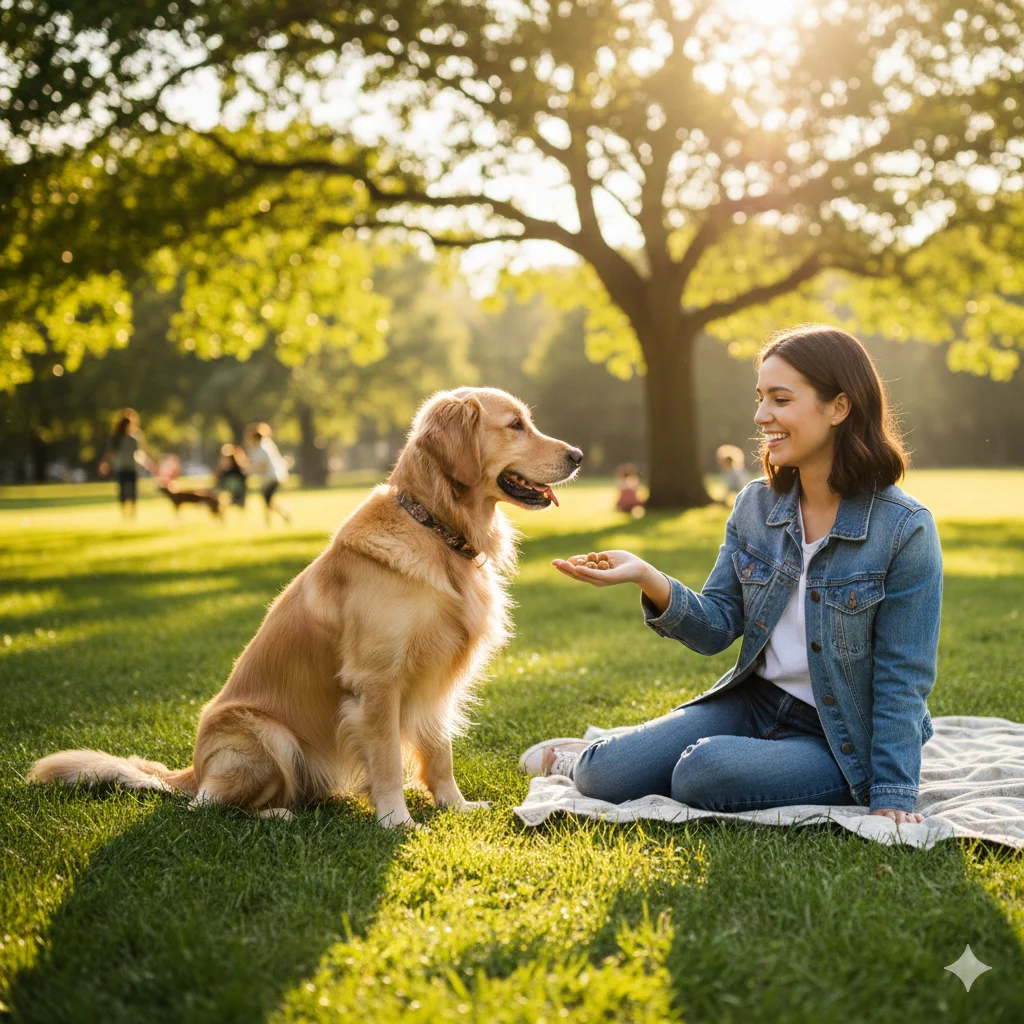
Dog training is more than obedience it’s the foundation of a respectful, happy relationship between dogs and humans. When you invest time in teaching your dog, you’re not just shaping behavior; you’re building communication and confidence.
Training helps prevent unwanted behaviors like jumping, barking, or biting. It teaches dogs how to behave calmly at home and confidently in public. For example, teaching your dog the “stay” command can prevent accidents, while recall training (“come”) can literally save lives.
Beyond obedience, training enhances your dog’s mental health. Dogs are intelligent animals that crave structure and purpose. When they understand what’s expected, they feel more secure and that reduces anxiety and frustration.
At Bark and Care, we encourage dog owners to see training not as a chore but as quality bonding time. Every session strengthens your partnership and makes daily life smoother and more enjoyable.
Step-by-Step Guide to Basic Dog Training Commands.
Starting with basic commands sets the stage for a lifetime of good manners. Here’s a simple roadmap to get your dog training journey started:
1. Sit
Hold a treat near your dog’s nose and slowly move it upward. As your dog’s head follows, their bottom will naturally lower. The moment they sit, say “Sit!” and reward them. Repeat several times daily in short sessions.
2. Stay
Once your dog masters “sit,” extend it into “stay.” Ask your dog to sit, hold your hand out (palm facing them), and say “Stay.” Take a step back, pause, then return and reward. Increase distance and time gradually.
3. Come
This recall command is vital for safety. Say your dog’s name followed by “Come!” in an enthusiastic tone. When your dog runs to you, shower them with praise and treats. Practice indoors first, then in safe outdoor spaces.
4. Heel
Walking calmly beside you is key for leash manners. Hold the leash loosely and reward your dog for staying by your side. If they pull ahead, stop walking until they return beside you.
Short, daily sessions of 5–10 minutes build lasting results. Always end on a positive note dogs remember how training makes them feel.
Positive Reinforcement in Dog Training
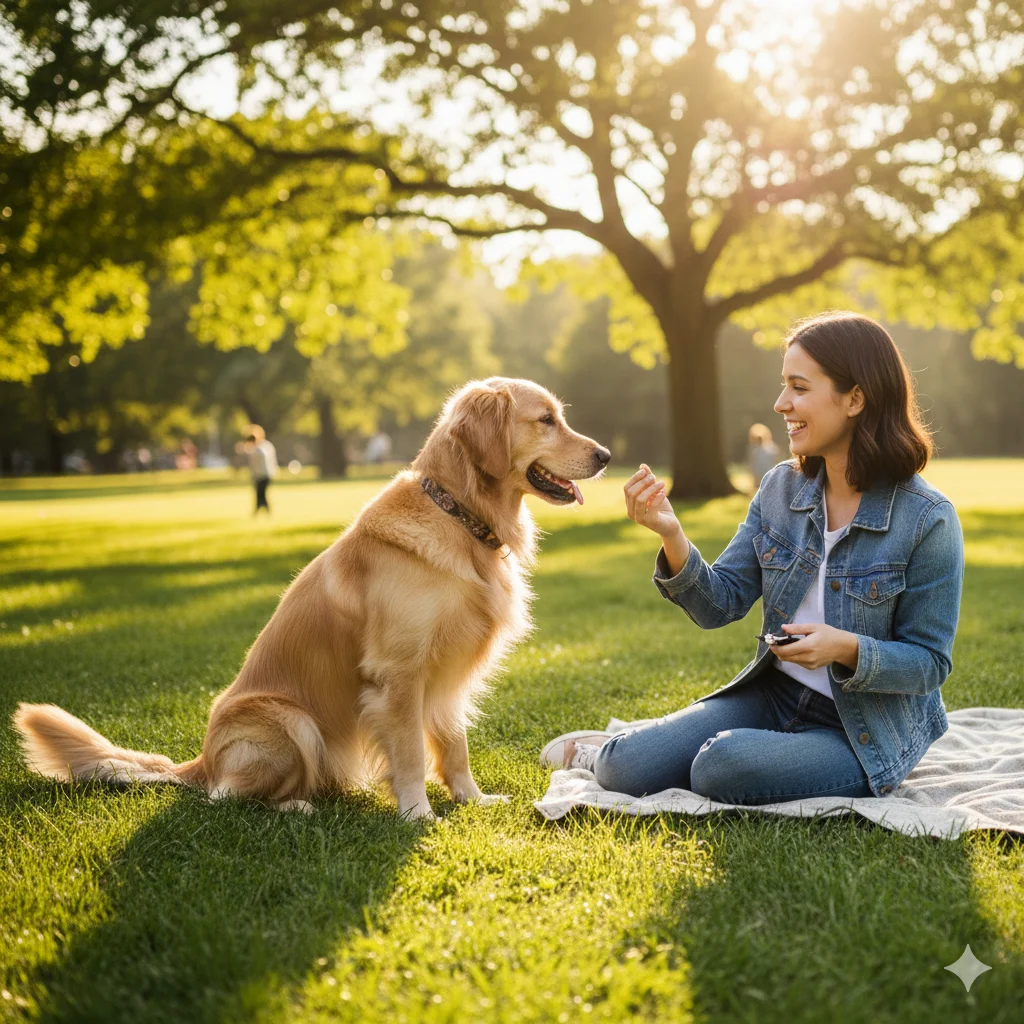
The most effective dog training method is positive reinforcement rewarding your dog for doing the right thing instead of punishing mistakes. This method builds trust, motivation, and enthusiasm.
How it works: When your dog performs a desired behavior (like sitting or staying), you immediately reward it with a treat, praise, or toy. This helps your dog associate the action with something enjoyable.
Here’s how to make it work best:
Use High-Value Rewards: Soft, smelly treats or a favorite toy are great motivators.
Mark the Moment: Use a marker word like “Yes!” or a clicker right when your dog performs the correct behavior.
Keep It Consistent: Reward good behavior every time at first. Gradually reduce treats as the behavior becomes habit.
Stay Positive: Dogs don’t understand anger they respond to tone and body language. Stay calm, patient, and encouraging.
Positive reinforcement transforms training into a game, not a struggle. It nurtures cooperation and joy the two key ingredients to lifelong obedience.
Common Dog Training Mistakes and How to Avoid Them
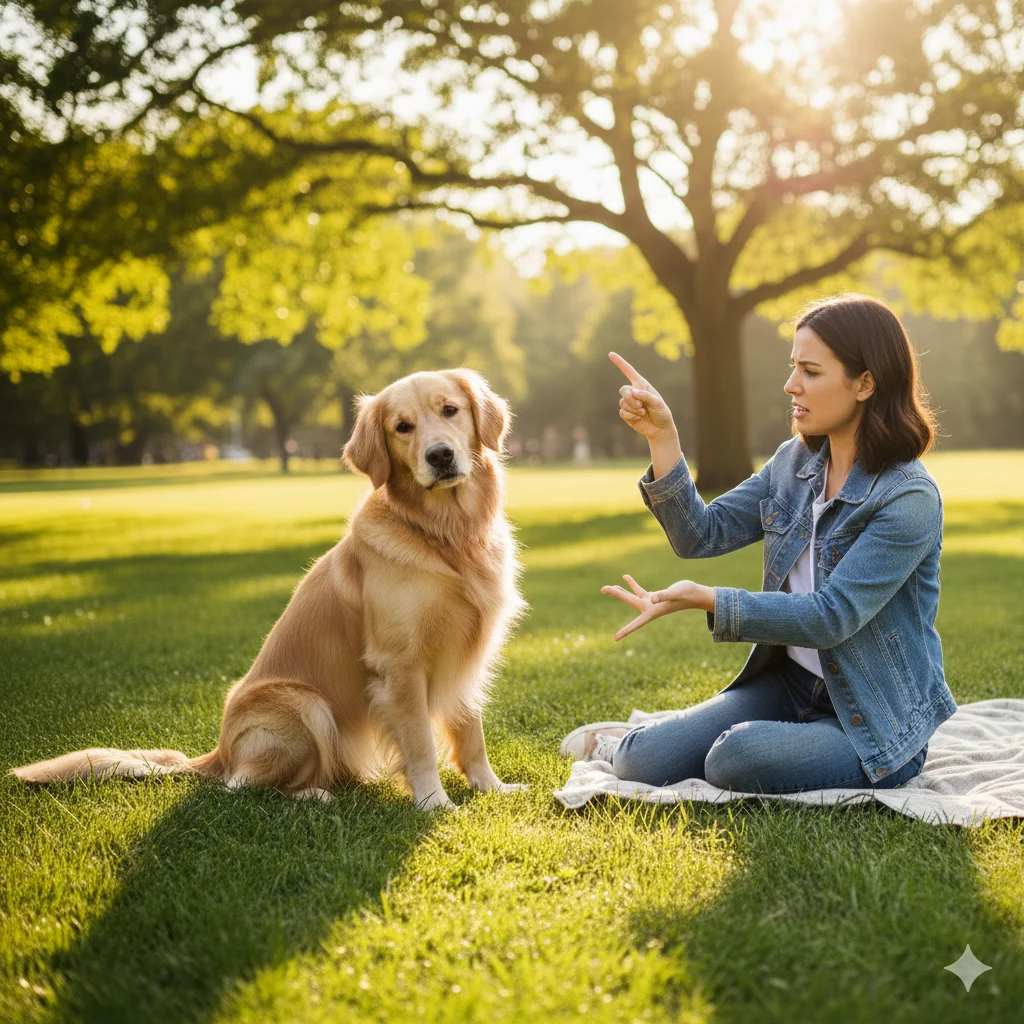
Even with the best intentions, many dog owners fall into common training traps that slow progress. Avoiding these mistakes ensures faster, happier results.
Mistake #1: Inconsistency
Using different words or commands (“Down” vs. “Lay”) confuses dogs. Stick to one command and make sure everyone in your household uses the same terms.
Mistake #2: Punishment-Based Training
Yelling, yanking, or scolding can create fear and erode trust. Dogs learn best through encouragement, not fear.
Mistake #3: Overtraining or Undertraining
Too much training leads to fatigue and frustration; too little leads to forgetfulness. Aim for short, frequent sessions five minutes, three times a day is ideal.
Mistake #4: Ignoring Mental Stimulation
Training isn’t just physical. Mental challenges like puzzle toys, scent games, and new tricks keep your dog sharp and engaged.
By staying patient and consistent, you’ll notice steady progress. Training is a journey and every small win counts toward a lifetime of harmony.
CONCLUSION:
Dog training isn’t about control it’s about connection. A well-trained dog isn’t just obedient; they’re confident, calm, and happy. By teaching commands with patience and love, you build trust that lasts a lifetime.
Every time you train, you’re not just shaping behavior you’re shaping a relationship. Keep sessions short, fun, and positive, and you’ll soon enjoy walks, visits, and everyday life with your perfectly mannered companion.
At Bark and Care, we believe the best-trained dogs are the ones who feel most loved. So, grab your treats, smile, and start building that bond one paw at a time.
❓ FAQs SECTION:
Q1: How long does dog training usually take?
A1: Basic training takes about 4–6 weeks with daily practice. Advanced obedience or behavioral corrections may take several months of consistent work.
Q2: What’s the best age to start dog training?
A2: You can begin training as early as 8 weeks old. Puppies absorb lessons quickly, but older dogs can learn too — it just takes more patience.
Q3: Can I train my dog at home without a professional?
A3: Yes! With the right approach and consistency, most dogs can be trained at home. Use treats, praise, and clear commands for best results.
Q4: Why does my dog listen indoors but not outside?
A4: Outdoor distractions make focusing harder. Start training indoors, then slowly introduce new environments as your dog gains confidence.
Q5: What if my dog resists training or seems stubborn?
A5: Some breeds learn slower than others. Stay patient, use higher-value rewards, and consider short professional sessions for extra guidance.