Quick Answer
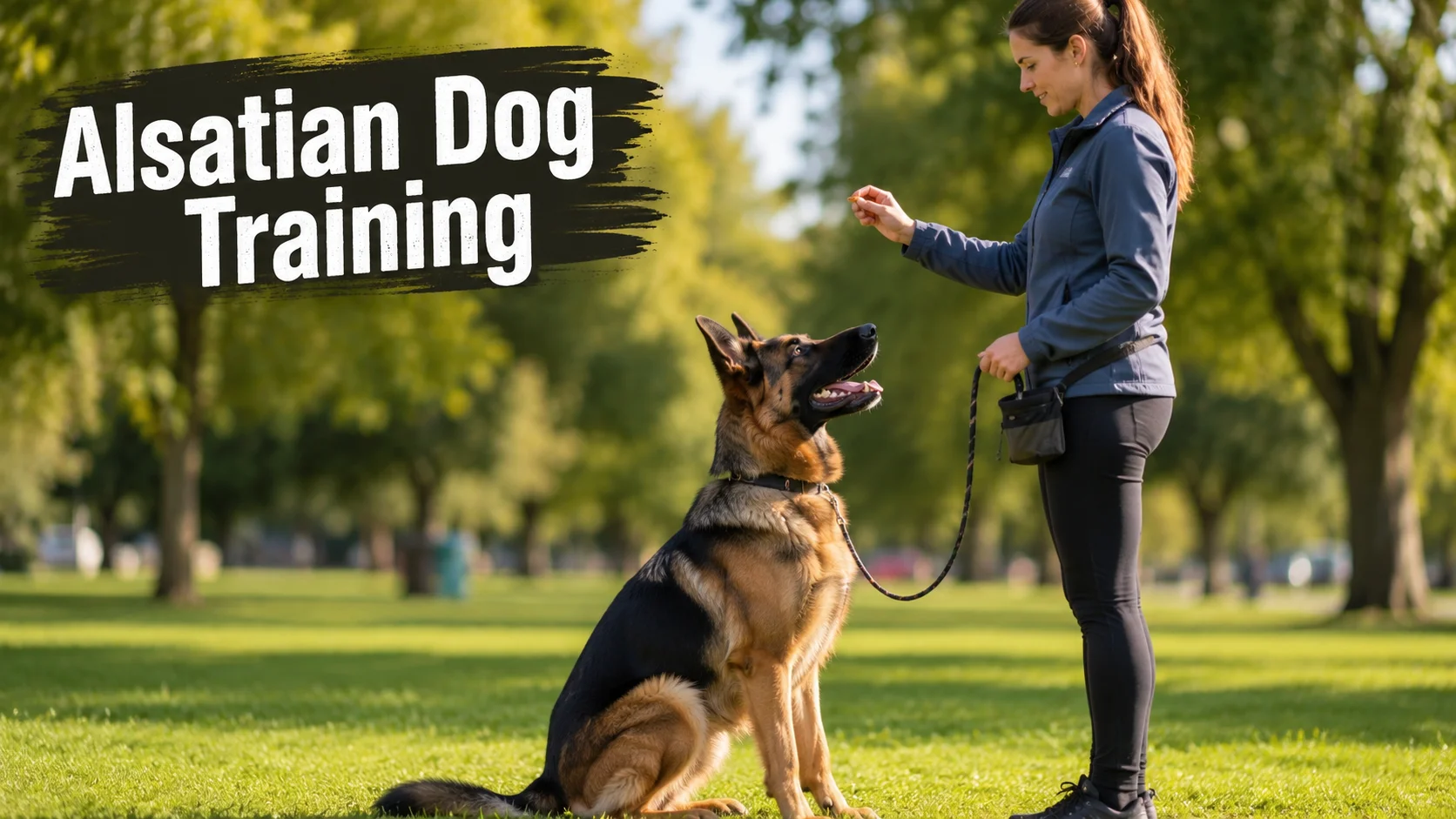
Alsatian dog training works best when it combines positive reinforcement, daily structure, mental stimulation, and consistent obedience practice. Alsatians are intelligent working dogs that learn quickly, but they need clear guidance, regular exercise, socialization, and ongoing training to prevent behavior problems such as excessive barking, pulling on the leash, or protectiveness.
Introduction
Successful Alsatian dog training starts with understanding the breed’s unique personality. Often known as the German Shepherd in many countries, the Alsatian is one of the most intelligent, loyal, and trainable dog breeds in the world. These dogs excel in obedience, protection work, search and rescue, service work, and family companionship.
However, their intelligence and working drive can become challenging if their physical and mental needs are ignored. A bored Alsatian may develop unwanted behaviors such as chewing, digging, barking, pacing, or reactivity.
Whether you have a young puppy or an adult dog, training should focus on building trust, communication, and reliability. With the right approach, most Alsatians become responsive companions that thrive in active households.
This guide explains how to train an Alsatian effectively, what commands to prioritize, common mistakes owners make, and how to create a realistic training schedule.
Why Alsatian Dog Training Is Different
Alsatians are not typical companion dogs. They were originally developed as herding and working dogs, which means they possess:
- High intelligence
- Strong problem-solving abilities
- Excellent memory
- Natural protectiveness
- Strong work ethic
- High energy levels
- Desire for a job or purpose
Unlike some breeds that are content with occasional walks, Alsatians usually need daily training challenges and mental engagement.
Their intelligence is a strength, but it also means they quickly learn unwanted habits if owners are inconsistent.
What This Means for Training
Your Alsatian needs:
- Clear rules
- Consistent routines
- Structured training sessions
- Daily exercise
- Socialization with people and environments
- Positive reinforcement
When these needs are met, training often progresses quickly.
Breed Temperament And Energy Needs
Understanding breed temperament is essential for effective training.
Typical Alsatian Traits
Most Alsatians are:
- Loyal to their families
- Eager to learn
- Alert and observant
- Confident
- Protective
- Athletic
- Sensitive to handling and tone
Because they bond closely with their owners, they often respond well to praise and rewards.
Exercise Requirements
Most healthy adult Alsatians require the following:
- 60 to 120 minutes of daily exercise
- Structured walks
- Play sessions
- Obedience practice
- Mental enrichment activities
Good exercise options include:
- Long walks
- Hiking
- Fetch
- Scent games
- Tracking activities
- Agility training
- Advanced obedience drills
Exercise alone is not enough. Mental stimulation is equally important.
Core Commands To Teach First
Building a strong obedience foundation should be the first goal of Alsatian dog training.
Sit
Sitting helps develop impulse control and attention.
Down
A useful calming behavior that teaches patience.
Stay
Important for safety and reliability.
Come
Recall can prevent dangerous situations and should be practiced throughout the dog’s life.
Leave It
Helps prevent dogs from picking up unsafe items.
Heel
Improves leash manners and walking behavior.
Place
Teaches your dog to settle calmly on a designated bed or mat.
Step-By-Step Alsatian Dog Training Method
Step 1: Start In A Quiet Environment
Choose a distraction-free area.
Reward attention and engagement.
Step 2: Use High-Value Rewards
Many Alsatians respond well to:
- Small treats
- Toys
- Praise
- Play sessions
Step 3: Keep Sessions Short
Aim for:
- Puppies: 3 to 5 minutes
- Adolescents: 5 to 10 minutes
- Adults: 10 to 15 minutes
Several short sessions are usually better than one long session.
Step 4: Add Distractions Gradually
Practice commands:
- Inside the home
- In the yard
- On quiet streets
- In busy public environments
Step 5: Reward Consistency
Continue reinforcing good behavior even after commands are learned.
Exercise And Mental Stimulation
Physical exercise and mental stimulation work together.
Mental Enrichment Ideas
- Food puzzles
- Scent work
- Hide-and-seek games
- Obedience drills
- Trick training
- Interactive toys
Why Mental Work Matters
Many behavior problems occur because intelligent dogs are under-stimulated.
Mental exercise often tires an Alsatian more effectively than physical activity alone.
Puppy Training For Alsatians
The first year plays a major role in long-term behavior.
Socialization Priorities
Introduce your puppy safely to:
- Different people
- Friendly dogs
- Traffic sounds
- New surfaces
- Veterinary visits
- Grooming routines
Positive experiences help build confidence.
House Training Tips
- Maintain a consistent schedule
- Take puppies outside frequently
- Reward successful potty breaks
- Supervise indoors
Most puppies learn faster when accidents are prevented rather than corrected.
Crate Training
A crate can help with:
- Potty training
- Safety
- Travel preparation
- Preventing destructive behavior
Always create positive associations with the crate.
Leash Training And Walking Manners
Leash pulling is one of the most common challenges.
Why Alsatians Pull
- Excitement
- High energy
- Lack of training
- Environmental distractions
Teaching Loose-Leash Walking
- Start in a quiet area.
- Reward your dog for staying near you.
- Stop moving when pulling begins.
- Resume walking when the leash loosens.
- Gradually increase distractions.
Consistency is essential.
Common Behavior Problems
Excessive Barking
Possible causes:
- Boredom
- Alert behavior
- Frustration
- Lack of exercise
Address the underlying cause rather than simply stopping the barking.
Jumping On People
Teach:
- Sit for greetings
- Four paws on the floor
- Calm reward-based greetings
Destructive Chewing
Common in young dogs.
Provide:
- Appropriate chew toys
- Exercise
- Supervision
- Mental stimulation
Reactivity
Some Alsatians become reactive toward dogs, strangers, or moving objects.
Safety Note
If your dog shows aggressive behavior, serious reactivity, guarding, or biting, work with a qualified professional dog trainer, certified behavior consultant, or veterinary behaviorist. Behavior concerns can involve safety risks and should not be handled with punishment-based methods.
Sample Daily Training Schedule
Morning
- 30-minute walk
- 5-minute obedience session
- Breakfast through a puzzle feeder
Midday
- Short play session
- Recall practice
Afternoon
- Training exercises
- Socialization opportunities
Evening
- Structured walk
- Settle training
- Interactive enrichment game
This routine can be adjusted according to age and activity level.
Common Mistakes Owners Make
Inconsistent Rules
Mixed messages confuse dogs.
Insufficient Exercise
Energy often turns into unwanted behavior.
Skipping Socialization
Poor socialization may increase fear or reactivity.
Training Only At Home
Dogs must practice skills in different environments.
Expecting Instant Results
Training takes repetition and patience.
Signs Your Alsatian Is Making Progress
Look for:
- Faster response to commands
- Better focus around distractions
- Improved leash manners
- Reliable recall
- Reduced unwanted behaviors
- Calm behavior at home
Progress is usually gradual rather than dramatic.
When To Seek Professional Help
Consider professional assistance if your Alsatian
- Shows aggression
- Has a bite history
- Displays severe anxiety
- Becomes highly reactive
- Struggles despite consistent training
- Develops sudden behavior changes
If behavior changes appear suddenly, consult a veterinarian to rule out medical causes.
Alsatian Training Compared To Other Working Breeds
Many owners researching border collie, dog training, Belgian Malinois dog training, blue heeler dog training, Australian cattle dog training, Siberian husky dog training, pit bull dog training, golden retriever dog training, or Cane Corso dog training notice important differences.
Compared with these breeds:
- Border Collies often require even more mental stimulation.
- Belgian Malinois generally have higher working drive.
- Blue Heelers can be more independent and intense.
- Golden Retrievers are often easier for novice owners.
- Huskies tend to be less naturally obedient.
- Cane Corsos require careful socialization and responsible handling.
- Pit Bulls often benefit from structured impulse control training.
Training methods should always match the breed’s temperament, energy level, and motivation.
Conclusion
Effective Alsatian dog training is about much more than teaching commands. These intelligent working dogs need structure, exercise, mental stimulation, socialization, and consistent reward-based guidance. By focusing on obedience foundations, daily engagement, and realistic expectations, owners can build a strong relationship and raise a confident, well-mannered Alsatian that thrives at home and in public.
FAQs
How long does it take to train an Alsatian?
Basic obedience often takes several weeks of consistent practice. Advanced reliability may take months or longer depending on the dog and training frequency.
Are Alsatians easy to train?
Yes. Alsatians are generally highly intelligent and eager to learn, making them one of the most trainable dog breeds.
What age should Alsatian dog training start?
Training can begin as soon as a puppy comes home, usually around 8 weeks of age.
How much exercise does an Alsatian need?
Most adult Alsatians need between 60 and 120 minutes of daily physical activity along with mental stimulation.
Why is my Alsatian barking so much?
Common reasons include boredom, alert behavior, lack of exercise, frustration, or insufficient mental enrichment.
Can an adult Alsatian still be trained?
Yes. Adult dogs can learn new behaviors and commands through consistent positive reinforcement training.
What is the best reward for Alsatian dog training?
Many Alsatians respond well to food rewards, toys, praise, and play opportunities.
Should I use punishment to train my Alsatian?
Reward-based training is generally safer and more effective. Harsh corrections can create fear, stress, and behavior problems