Quick Note
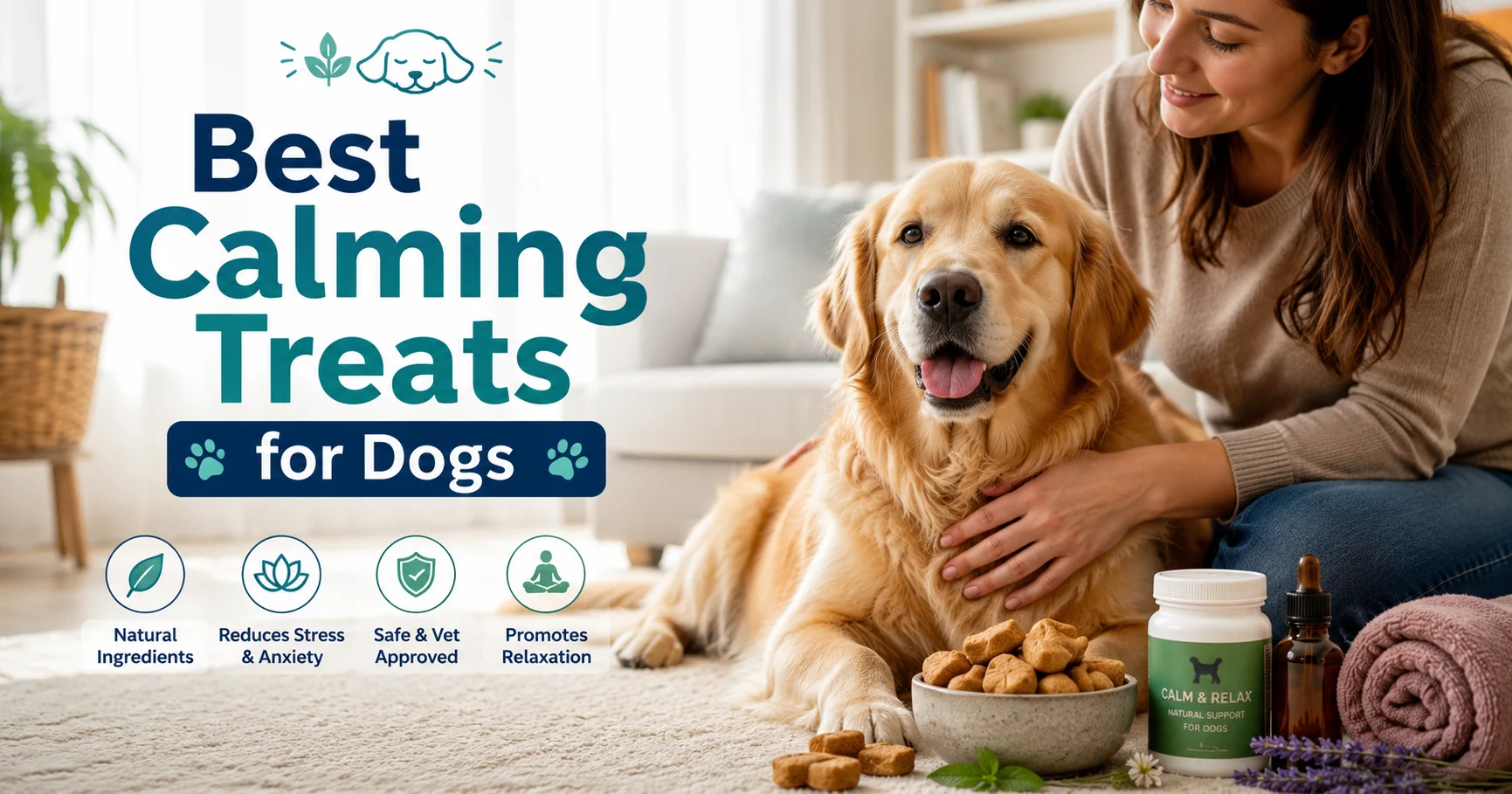
The best calming treats for dogs can help reduce stress, nervous behavior, barking, pacing, and restlessness during situations like thunderstorms, travel, fireworks, vet visits, or separation anxiety. Start by choosing treats with safe, simple ingredients and use them during low-stress situations first. Always follow the feeding guide, introduce treats slowly, and watch your dog’s behavior closely. If anxiety becomes severe or sudden, contact a veterinarian.
Introduction
Many dog owners feel helpless when their dog starts shaking during storms, barking nonstop when left alone, hiding under furniture, or acting nervous around guests. Some dogs pace around the house, drool excessively, chew furniture, or refuse to relax at night. Stress and anxiety can affect dogs of all ages, sizes, and breeds.
This is why many owners search for the best calming treats for dogs. These treats can support relaxation and help dogs feel calmer during stressful situations without making them feel heavily sedated. Some calming treats work well for travel anxiety, while others help dogs stay relaxed during fireworks, grooming appointments, or changes in routine.
Still, not every calming treat works the same way. Some products contain low-quality fillers, artificial ingredients, or unnecessary additives that may upset sensitive stomachs. Others may not match your dog’s age, size, or anxiety level.
In this guide, you will learn how calming treats work, which ingredients actually help, how to choose safe options, common mistakes owners make, and when calming treats may not be enough. You will also find feeding tips, safety advice, troubleshooting help, and answers to common questions dog owners ask online.
What Are Calming Treats for Dogs?
Calming treats are soft chews, biscuits, or supplements designed to help dogs feel more relaxed during stressful situations. Most calming treats use natural ingredients, amino acids, herbs, or calming nutrients that support the nervous system.
These treats do not replace proper training or veterinary care, but they can become a helpful part of a dog anxiety management plan.
Dogs may benefit from calming treats during:
- Thunderstorms
- Fireworks
- Car rides
- Vet visits
- Grooming appointments
- Separation anxiety
- Moving to a new home
- Meeting strangers
- Loud environments
- Boarding stays
Some dogs only need occasional support, while others benefit from daily calming routines.
Signs Your Dog May Need Calming Support
Not every nervous moment means your dog needs calming treats. Dogs naturally react to stress sometimes. The goal is to notice patterns that happen repeatedly.
Common Anxiety Signs in Dogs
- Excessive barking
- Shaking or trembling
- Panting without exercise
- Hiding
- Pacing around the house
- Restlessness at night
- Destructive chewing
- Scratching doors or walls
- Drooling excessively
- Refusing food during stress
- Following owners constantly
- Whining or crying
- Aggressive reactions caused by fear
When Anxiety Becomes a Bigger Problem
Contact a veterinarian if your dog:
- Suddenly develops anxiety
- Shows aggression
- Stops eating
- Injures themselves
- Panics during normal situations
- Cannot calm down for hours
- Shows signs of pain or illness
Sudden behavior changes sometimes point to medical problems instead of simple anxiety.
How Calming Treats for Dogs Work
Different calming treats use different ingredients. Some support relaxation naturally, while others help reduce overstimulation.
Common Ingredients Found in the Best Calming Treats for Dogs
| Ingredient | How it may help |
|---|---|
| Chamomile | Supports relaxation and calm behavior |
| L-Theanine | Helps reduce nervous tension |
| Melatonin | Supports sleep and relaxation |
| Valerian Root | May help nervous or restless dogs |
| Hemp Seed Powder | Supports calm behavior without intoxication |
| Magnesium | Helps muscle and nerve function |
| Ginger | Helps dogs with travel stress and nausea |
| Tryptophan | Supports serotonin production |
| Passion Flower | May help mild anxiety |
Always read ingredient labels carefully before buying any calming product.
How to Choose the Best Calming Treats for Dogs
Choosing the right calming treat depends on your dog’s size, age, health condition, and anxiety triggers.
Look for Simple Ingredients
Choose calming treats with clear ingredient lists. Avoid products packed with artificial colors, excessive sugar, or unnecessary fillers.
Match the Treat to the Situation
Some treats work best for:
- Daily anxiety support
- Car rides
- Separation anxiety
- Sleep support
- Thunderstorm fear
- Hyperactivity
Read the label carefully to understand the intended use.
Choose the Right Size
Large dogs usually need different serving sizes than small dogs. Never guess dosage amounts.
Check for Sensitive Stomach Issues
Some dogs react poorly to dairy, artificial flavors, or rich ingredients. If your dog has food sensitivities, start with small portions.
Ask Your Vet First if Your Dog Has Health Problems
Speak with your veterinarian before using calming treats if your dog:
- Takes medications
- Has liver problems
- Has kidney disease
- Has seizures
- Is pregnant
- Is elderly
- Has chronic illness
Types of Calming Treats for Dogs
Different forms work better for different dogs.
Soft Chews
Soft chews remain the most popular option. Dogs usually enjoy the taste, and owners can easily adjust portions.
Crunchy Biscuits
Crunchy calming biscuits work well for dogs that prefer harder treats.
Powder Supplements
Some calming products come as powders that mix into food.
Liquid Calming Supplements
Liquids may work well for picky eaters or dogs with dental problems.
Fast Acting vs Daily Support Treats
| Type | Best for |
|---|---|
| Fast-acting treats | Fireworks, storms, vet visits |
| Daily calming treats | Ongoing anxiety support |
| Sleep support treats | Nighttime restlessness |
| Travel calming treats | Car rides and trips |
Common Reasons Dogs Become Anxious
Understanding the cause helps owners choose better calming strategies.
Separation Anxiety
Dogs that panic when left alone may bark, destroy items, or scratch doors.
Fear of Loud Noises
Thunderstorms and fireworks commonly trigger fear.
Lack of Mental Stimulation
Bored dogs often develop nervous behaviors.
Poor Socialization
Dogs that rarely experience new environments may react fearfully.
Past Negative Experiences
Rescue dogs or dogs with traumatic experiences sometimes stay fearful longer.
Pain or Medical Problems
Pain often causes stress, irritability, or anxiety.
What You Need Before Starting Calming Treats
A successful calming routine involves more than treats alone.
| Supply | Why it helps |
|---|---|
| Comfortable dog bed | Creates a safe resting area |
| Interactive toys | Reduces boredom |
| Slow feeder | Helps anxious fast eaters |
| Crate or quiet room | Gives dogs a calm retreat |
| White noise machine | Helps block stressful sounds |
| Treat pouch | Makes training easier |
| Long-lasting chew toy | Encourages relaxation |
How to Introduce Calming Treats Safely
Start With the Lowest Suggested Amount
Every dog reacts differently. Start slowly and observe your dog carefully.
Introduce During Calm Situations First
Do not wait until your dog reaches full panic mode.
Watch for Side Effects
Possible mild side effects include:
- Sleepiness
- Upset stomach
- Loose stool
- Reduced appetite
Stop use and contact your veterinarian if symptoms become severe.
Avoid Mixing Multiple Calming Products
Using too many calming supplements together may cause unwanted effects.
Best Times to Give Calming Treats
Timing matters.
| Situation | Suggested timing |
|---|---|
| Thunderstorms | 30 to 60 minutes before storm |
| Fireworks | 1 hour before noise starts |
| Vet visit | 30 to 90 minutes before appointment |
| Car travel | 30 minutes before ride |
| Guests visiting | Before visitors arrive |
| Bedtime anxiety | Evening routine |
Always follow product instructions because timing varies.
Daily Routine for an Anxious Dog
A predictable schedule helps anxious dogs feel safer.
Morning
- Short walk
- Bathroom break
- Calm feeding routine
- Mental stimulation toy
Afternoon
- Exercise session
- Training practice
- Rest period
Evening
- Calm indoor activity
- Relaxing chew toy
- Quiet bedtime routine
- Calming treat if needed
Consistency helps many dogs more than owners realize.
Natural Ways to Support Calm Behavior Alongside Treats
The best calming treats for dogs work better when combined with healthy routines.
Daily Exercise
Many anxious dogs simply need more physical activity.
Mental Enrichment
Puzzle toys, sniffing games, and training sessions help reduce boredom.
Safe Rest Areas
Dogs need quiet spaces where nobody disturbs them.
Calm Greetings
Avoid overly exciting greetings when arriving home.
Reward Calm Behavior
Reward relaxed behavior instead of only reacting during problems.
Do’s and Don’ts of Using Calming Treats
| Do | Don’t |
|---|---|
| Follow serving instructions | Guess dosage amounts |
| Introduce treats slowly | Give large amounts immediately |
| Combine treats with training | Expect instant miracles |
| Watch behavior carefully | Ignore side effects |
| Create calming routines | Rely only on treats |
| Ask a vet about health issues | Use human anxiety medicine |
Common Mistakes Owners Make
Expecting Immediate Results
Some calming products need regular use before noticeable improvement appears.
Using Treats Without Training
Treats help support calm behavior, but training still matters.
Overfeeding Treats
Extra treats can cause stomach upset or unhealthy weight gain.
Ignoring Exercise Needs
An under-exercised dog often stays restless regardless of supplements.
Punishing Fearful Behavior
Punishment increases stress and fear.
Never yell at a frightened dog during storms or anxiety episodes.
Puppy vs Adult Dog Calming Needs
Puppies
Puppies often struggle with:
- Crate adjustment
- First nights alone
- New environments
- Teething stress
Use gentle calming support only after discussing it with your veterinarian.
Adult Dogs
Adult dogs may develop anxiety from:
- Routine changes
- Loud noises
- Separation stress
- Aging
Senior Dogs
Older dogs sometimes experience confusion, sleep disruption, or stress related to aging.
Always ask your veterinarian before giving calming supplements to senior dogs.
Small Dogs vs Large Dogs
Small Dogs
Small breeds often react strongly to environmental changes and loud sounds.
Large Dogs
Large dogs may show anxiety through destructive chewing, pacing, or pulling.
Serving sizes differ greatly between sizes, so always check feeding guides carefully.
Troubleshooting Guide for Calming Treats
| Problem | Likely reason | What to do |
|---|---|---|
| Treats do not work | Wrong product or anxiety level too high | Try behavior training and ask a vet |
| Dog becomes sleepy | Portion too large | Reduce serving size |
| Upset stomach | Ingredient sensitivity | Stop use and try a simpler formula |
| Dog refuses treats | Flavor dislike | Try another texture or flavor |
| Anxiety worsens | Trigger too intense | Remove dog from stressful environment |
| Dog only improves briefly | Timing issue | Give treats earlier before stress begins |
Safety Tips Every Dog Owner Should Know
Store Treats Safely
Keep calming treats away from children and pets.
Read Labels Carefully
Some products contain ingredients unsuitable for puppies or dogs with medical conditions.
Avoid Unsafe Human Products
Never give human sleep medications or anxiety supplements unless your veterinarian specifically approves them.
Watch Multi-Pet Homes Carefully
One dog may accidentally eat another dog’s serving.
Use Extra Caution With Puppies
Young puppies have sensitive digestive systems and different nutritional needs.
When Calming Treats Are Not Enough
Some dogs need more support than calming treats alone.
Signs Your Dog Needs Professional Help
- Severe separation anxiety
- Self-injury
- Aggressive behavior
- Constant panic
- Extreme fear responses
- Sudden behavior changes
- Anxiety linked to pain
Ask a Veterinarian or Professional Trainer
A veterinarian can rule out medical problems, while a qualified trainer can create a behavior plan.
Reward-based training works better than punishment-based methods for anxious dogs.
Can Training Help Reduce Anxiety?
Yes. Training helps many anxious dogs feel more confident.
Helpful Training Activities
- Basic obedience practice
- Nose work games
- Confidence-building exercises
- Calm leash walks
- Relaxation training
Keep Sessions Short
Train for 5 to 10 minutes at a time.
Reward Calm Choices
Dogs repeat behaviors that earn rewards.
Foods and Ingredients Dogs Should Avoid
Some calming products may contain unnecessary or risky ingredients.
Avoid Products With
- Excessive artificial sweeteners
- Unknown ingredient blends
- High sugar content
- Unsafe preservatives
- Ingredients your dog previously reacted to
Never Give Dogs These Human Foods
| Unsafe food | Risk |
|---|---|
| Chocolate | Toxic to dogs |
| Grapes and raisins | Kidney damage risk |
| Xylitol | Dangerous blood sugar drop |
| Alcohol | Serious poisoning |
| Excess caffeine | Nervous system danger |
How Long Do Calming Treats Take to Work?
This depends on the product and your dog.
Fast-Acting Products
Some products work within 30 to 90 minutes.
Daily Support Products
Others need regular use for several days or weeks.
Every Dog Responds Differently
Factors include:
- Size
- Age
- Anxiety level
- Metabolism
- Health condition
- Environment
How to Create a Calm Home Environment
Treats work best in supportive environments.
Reduce Loud Noise
Close windows or use white noise during storms.
Keep Routines Predictable
Dogs feel safer when daily routines stay consistent.
Avoid Overstimulation
Too much excitement may increase anxiety.
Give Dogs Personal Space
Allow nervous dogs to retreat quietly.
Conclusion
The best calming treats for dogs can support relaxation during stressful moments like storms, travel, separation anxiety, or loud environments. The safest approach combines calming treats with exercise, training, mental stimulation, and a predictable daily routine. Always choose high-quality ingredients, follow serving instructions carefully, and monitor your dog’s response.
Remember that calming treats work differently for every dog. Some dogs improve quickly, while others need additional behavior support or veterinary care. Patience, consistency, and safe routines help anxious dogs feel more secure over time.
FAQs
What are the best calming treats for dogs with anxiety?
The best calming treats for dogs with anxiety usually contain ingredients like chamomile, L-theanine, melatonin, or hemp seed powder. Choose treats designed for your dog’s size and anxiety level.
Do calming treats really work for dogs?
Yes, calming treats help many dogs relax during stressful situations. Results vary depending on the dog, ingredients, and anxiety severity.
How long do calming treats take to work?
Some calming treats work within 30 to 90 minutes, while others need daily use for several days.
Can puppies have calming treats?
Some calming treats work for puppies, but owners should ask a veterinarian first because puppies have different nutritional and health needs.
Are calming treats safe for senior dogs?
Many are safe, but senior dogs often have medical conditions or medications that require veterinary approval first.
Can calming treats help with separation anxiety?
They may help mild separation anxiety, especially when combined with training, exercise, and routine management.
What should I do if calming treats do not work?
If calming treats are not helping, review the serving amount, timing, environment, and anxiety triggers. Severe anxiety may require professional support.
Can calming treats make dogs sleepy?
Yes, some calming treats may cause mild sleepiness, especially those containing melatonin or valerian root.
Should I give calming treats every day?
Some products support daily use, while others work better occasionally. Follow label instructions and ask your veterinarian if unsure.
When should I contact a vet about dog anxiety?
Contact a veterinarian if anxiety becomes severe, sudden, aggressive, constant, or linked to physical symptoms like pain, vomiting, appetite loss, or shaking.