Quick Note
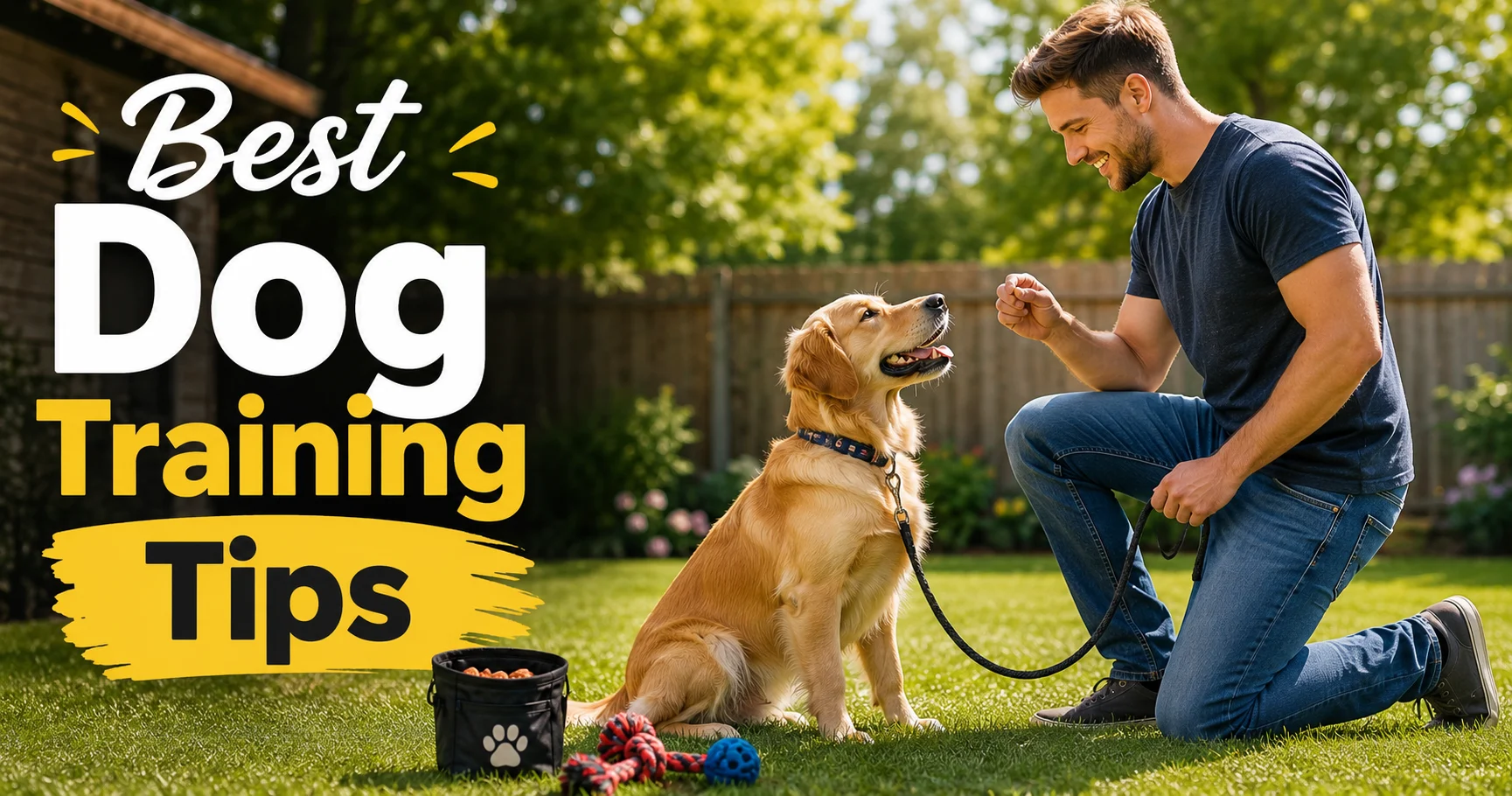
The best dog training tips start with short daily sessions, reward-based methods, and consistency. Begin with simple commands like sit, come, and stay before moving to harder skills. Use treats, praise, and calm repetition to encourage good behavior. Avoid punishment, shouting, or fear-based methods because they often create stress and confusion. Focus on patience, routine, and clear communication from the first day.
Introduction
Training a dog sounds simple until real life begins. Many dog owners struggle with barking, leash pulling, chewing, jumping, accidents indoors, biting, or dogs that completely ignore commands outside the house. Some puppies cry at night or refuse to settle in a crate. Others become overly excited around visitors or distracted during walks. These situations frustrate many owners, especially beginners who feel unsure about what actually works.
The good news is that most dogs can learn good manners with the right approach.
The best dog training tips focus on consistency, rewards, timing, patience, and understanding why dogs behave the way they do. Dogs do not learn through fear or punishment. They learn through repetition, clear communication, and positive experiences. Training also helps dogs feel safer and more confident in daily life.
This guide covers practical dog training tips for puppies and adult dogs. You will learn how to start training, which supplies help most, common mistakes to avoid, how to handle difficult behaviors, and how to build a simple daily training routine that actually works. Whether you want better leash manners, fewer accidents, calmer greetings, or basic obedience, these tips can help create a happier relationship between you and your dog.
Why Dog Training Matters
Training does more than teach commands. It helps dogs understand the world around them.
Well-trained dogs usually:
- Feel more confident
- Handle stress better
- Stay safer outdoors
- Listen during emergencies
- Enjoy more freedom
- Build stronger bonds with owners
Training also improves daily life for families. Simple skills like coming when called, waiting at doors, and walking calmly on leash make life much easier.
What You Need Before You Start Training
Before teaching commands, gather a few basic supplies that support safe and effective dog training.
| Supply | Why It Helps |
|---|---|
| Small soft treats | Rewards good behavior quickly |
| Treat pouch | Keeps rewards easy to reach |
| Lightweight leash | Helps with leash practice |
| Comfortable harness | Improves control without pressure |
| Clicker if preferred | Mark’s correct behavior clearly |
| Crate or puppy pen | Creates a safe calm space |
| Chew toys | Reduces destructive chewing |
| Long leash | Helps with recall training |
| Dog bed or mat | Useful for place training |
Choose treats your dog truly enjoys. Tiny rewards work better than large snacks during training sessions.
Best Dog Training Tips Every Owner Should Know
Keep Training Sessions Short
Dogs learn better in short sessions.
Most puppies focus best on:
- 2 to 5 minutes
Most adult dogs focus well on:
- 5 to 15 minutes
Several short sessions work better than one long session.
End on a Positive Note
Always finish training after success, even if the success feels small.
For example:
- One good sit
- One calm leash moment
- One successful recall
Positive endings help dogs enjoy training.
Reward Good Behavior Immediately
Timing matters in dog training.
Reward the behavior within seconds so your dog understands what earned the reward.
Use Rewards Your Dog Loves
Different dogs prefer different rewards:
- Small treats
- Praise
- Toys
- Play
- Petting
High-value treats often help during harder training situations.
Stay Consistent
Dogs become confused when rules constantly change.
For example:
- Do not allow jumping sometimes but punish it other days
- Use the same command words daily
- Keep household rules clear
Consistency helps dogs learn faster.
Avoid Punishment-Based Training
Fear-based methods often create the following:
- Anxiety
- Fear
- Aggression
- Avoidance
- Confusion
Avoid:
- Hitting
- Shouting
- Shock collars
- Harsh leash corrections
Reward-based training builds trust and confidence.
Start Training in Low Distraction Areas
Many owners expect dogs to listen perfectly outdoors too quickly.
Start indoors first.
Then slowly practice the following:
- Quiet room
- Backyard
- Quiet sidewalk
- Busier environments
Dogs need gradual practice around distractions.
Basic Commands Every Dog Should Learn
Sit
Sitting helps control excitement and improves focus.
How to Teach Sit
- Hold a treat above the dog’s nose
- Move the treat slightly backward
- When the dog sits, reward immediately
- Repeat several times
- Add the cue word sit
Stay
Stays help improve safety around doors, roads, and visitors.
How to Teach Stay
- Ask for a seat.
- Hold your hand up calmly
- Say “stay.”
- Take one small step back
- Reward if the dog stays still
Increase distance slowly.
Come
Recall training can save a dog’s life.
How to Teach Recall
- Use a happy voice
- Say the dog’s name followed by “come.”
- Reward heavily when the dog arrives
- Practice indoors first
- Add distractions gradually
Never punish a dog after it comes to you.
Leave It
This command prevents dogs from grabbing unsafe items.
How to Teach Leave It
- Hold a treat in your closed hand
- Let the dog sniff
- Wait quietly
- Reward once the dog looks away
- Add the cue leave it
Loose Leash Walking Tips
Leash pulling frustrates many dog owners.
Most dogs pull because:
- They feel excited
- Walks move too fast
- Owners accidentally reward pulling
How to Improve Leash Manners
- Stop walking when pulling starts
- Reward calm walking beside you
- Use a comfortable harness
- Practice in quiet places first
- Keep sessions short
Avoid Common Leash Mistakes
Do not:
- Yank the leash harshly
- Rush training
- Practice only during busy walks
Dogs need gradual learning.
Puppy Training Tips for Beginners
Start Socialization Early
Safe socialization helps puppies grow into confident adult dogs.
Expose puppies calmly to:
- Friendly people
- Sounds
- Surfaces
- Gentle handling
- Car rides
Socialization Safety Tips
Do not force nervous puppies into scary situations.
Avoid crowded dog areas until a veterinarian confirms safe exposure based on vaccine stage.
Puppy Potty Training Tips
Potty training requires supervision and routine.
Signs a Puppy Needs to Potty
Watch for:
- Sniffing
- Circling
- Suddenly stopping play
- Whining near doors
- Wandering away
Basic Potty Schedule
Take puppies outside:
- After waking
- After eating
- After play
- Before bedtime
- Every few hours
What To Do After Accidents
- Clean accidents calmly
- Use enzyme cleaner
- Supervise more closely
- Improve schedule consistency
Punishment often makes accidents worse.
Puppy Biting and Chewing
Puppies bite for many reasons:
- Teething discomfort
- Excitement
- Overtiredness
- Rough play
- Curiosity
How to Redirect Puppy Biting
- Offer chew toys
- End rough play calmly
- Reward gentle behavior
- Use short breaks if needed
Avoid rough wrestling games that encourage harder biting.
Crate Training Tips
A crate should feel safe, not scary.
How to Build Crate Comfort
- Feed meals near the crate
- Toss treats inside
- Use soft bedding
- Keep sessions short
- Allow quiet rest time
Never use the crate for punishment.
Daily Dog Training Routine
Dogs learn faster with routines.
Sample Daily Routine
| Time | Activity |
|---|---|
| Morning | Potty break and short training |
| Breakfast | Reward calm behavior |
| Midday | Walk and leash practice |
| Afternoon | Play and mental games |
| Evening | Basic commands and relaxation |
| Before Bed | Potty break and calm routine |
Short daily practice creates long-term results.
Best Dog Training Tips for Problem Behaviors
Barking
Dogs bark for many reasons:
- Boredom
- Fear
- Excitement
- Attention-seeking
- Alerting owners
How to Reduce Excessive Barking
- Increase exercise
- Reward quiet moments
- Avoid shouting
- Reduce boredom
- Identify triggers
Jumping on People
Dogs often jump because jumping earns attention.
How to Stop Jumping
- Ignore jumping calmly
- Reward four paws on the floor
- Ask visitors to stay consistent
- Practice calm greetings
Chewing Furniture
Chewing usually increases when dogs feel
- Bored
- Stressed
- Under-exercised
- Teething discomfort
How to Reduce Destructive Chewing
- Add chew toys
- Increase mental stimulation
- Supervise closely
- Rotate toys regularly
Separation Stress
Some dogs panic when left alone.
Signs of Separation Problems
- Barking
- Destruction
- Pacing
- Drooling
- Indoor accidents
Helpful First Steps
- Practice short departures
- Avoid dramatic goodbyes
- Provide enrichment toys
- Build independence slowly
Severe anxiety may require professional help.
Dog Training Tips for Different Ages
Young Puppies
Focus on:
- Name response
- Potty training
- Socialization
- Gentle handling
- Crate comfort
Keep lessons very short.
Adolescent Dogs
Teenage dogs often test boundaries.
Focus on:
- Consistency
- Leash manners
- Recall practice
- Impulse control
Do not stop training during adolescence.
Adult Dogs
Adult dogs can still learn successfully.
Focus on:
- Patience
- Clear communication
- Consistent rewards
- Slow habit changes
Older dogs may need slightly more repetition.
Common Dog Training Mistakes to Avoid
Training Too Long
Long sessions often create frustration.
Short successful sessions work better.
Repeating Commands Constantly
Saying “sit” ten times teaches dogs to ignore you.
Give the command once clearly.
Inconsistent Rules
Mixed messages slow progress.
Everyone in the home should follow the same rules.
Moving Too Fast
Dogs need practice before handling distractions.
Slow progress often creates stronger long-term results.
Ignoring Exercise Needs
Unexercised dogs often struggle with:
- Barking
- Chewing
- Hyperactivity
- Poor focus
Mental exercise matters too.
Do’s and Don’ts of Dog Training
| Do | Don’t |
|---|---|
| Reward good behavior quickly | Shout after mistakes |
| Keep sessions short | Train for too long |
| Stay patient and calm | Use fear-based punishment |
| Practice daily | Expect instant results |
| Use the same cue words | Change commands often |
| Train in quiet places first | Start with heavy distractions |
| Socialize safely | Force scary interactions |
Troubleshooting Common Dog Training Problems
| Problem | Likely Reason | What To Do |
|---|---|---|
| The dog ignores commands | Too many distractions | Practice indoors first |
| The puppy pees indoors | Inconsistent schedule | Increase supervision |
| Dog pulls on leash | Excitement | Reward loose-leash walking |
| Puppy bites hands | Teething or overstimulation | Redirect to chew toys |
| Dog jumps on guests | Attention-seeking | Reward calm greetings |
| The dog barks constantly | Boredom or stress | Increase exercise and enrichment |
| Dog refuses crate | Negative association | Rebuild crate comfort slowly |
| Recall fails outdoors | Training progressed too fast | Use long leash practice |
Mental Exercise Matters Too
Physical exercise alone does not solve every behavior problem.
Mental activities help reduce boredom and frustration.
Good Mental Stimulation Ideas
- Puzzle feeders
- Scent games
- Hide and seek
- Training games
- Food toys
- Obstacle practice
Mental work often tires dogs faster than physical activity.
What To Do If Training Is Not Working
Some dogs need more time or professional guidance.
Check These Areas First
Ask yourself:
- Is training consistent?
- Are rewards motivating enough?
- Is the dog too distracted?
- Are sessions too long?
- Does the dog get enough exercise?
Small adjustments often improve results.
When to Ask a Professional Trainer
Professional help may benefit dogs that:
- Show aggression
- Guard food or toys
- Panic severely when alone
- React strongly to people or dogs
- Cannot calm down outdoors
Choose trainers who use reward-based methods.
When to Call a Veterinarian
Behavior changes sometimes connect to pain or illness.
Contact a veterinarian if your dog suddenly:
- Becomes aggressive
- Stops eating
- Shows pain signs
- Avoids movement
- Has repeated accidents
- Changes behavior quickly
Medical problems can affect training success.
Safety Tips Every Dog Owner Should Know
Use Safe Training Equipment
Choose:
- Comfortable harnesses
- Lightweight leashes
- Properly fitted collars
Avoid painful tools without professional guidance.
Supervise Children and Dogs
Teach children:
- Gentle handling
- Calm behavior
- Respect for dog space
Never leave young children unsupervised with dogs.
Protect Recall Training
Do not trust off-leash freedom too early.
Practice recall safely using:
- Fenced areas
- Long leashes
- Controlled environments
Keep Training Positive
Dogs learn best when training feels safe and rewarding.
Patience creates better long-term behavior than fear.
Conclusion
The best dog training tips focus on patience, consistency, clear communication, and reward-based learning. Dogs learn through repetition and positive experiences, not fear or punishment. Whether you are teaching a young puppy or improving an adult dog’s manners, short daily sessions and realistic expectations make a huge difference.
Training takes time, but even small daily progress helps build a calmer, safer, and happier relationship with your dog. Stay patient, keep sessions positive, and celebrate small wins along the way.
FAQs
What are the best dog training tips for beginners?
Start with short sessions, simple commands, rewards, and consistency. Focus on basic obedience before advanced skills.
How long should dog training sessions last?
Most dogs learn best in 5- to 15-minute sessions. Young puppies usually need even shorter lessons.
At what age should puppy training begin?
Puppy training can begin as early as 8 weeks with gentle socialization and basic routines.
Why does my dog ignore commands outside?
Outdoor distractions often feel overwhelming. Practice indoors first before slowly adding distractions.
Are treats necessary for dog training?
Treats help many dogs learn faster, especially during early training stages. Praise and toys can also work well.
What should I do if dog training is not working?
Check consistency, reward timing, exercise level, and distractions. Some dogs may benefit from professional training support.
Can older dogs still learn new commands?
Yes. Adult and senior dogs can learn successfully with patience and regular practice.
How do I stop my puppy from biting during play?
Redirect biting toward chew toys and end rough play calmly when biting becomes too hard.
Should I punish my dog for accidents indoors?
No. Punishment often creates fear and confusion. Improve supervision and potty routines instead.
Which best dog training tips help with leash pulling?
Reward calm walking, stop when pulling starts, and practice in quiet places before busy areas.