Quick Note
If you want a reliable hunting dog for tracking wild game, start by choosing a breed that matches your hunting style, climate, and experience level. Some dogs excel at scent tracking, while others work better in rough terrain or water. Begin training early with short, reward-based sessions; focus on recall and scent work first; and build consistency slowly. A healthy diet, daily exercise, and safe hunting exposure also play a huge role in long-term success.
Introduction
Finding the right hunting dog can feel overwhelming, especially when so many breeds claim to be excellent trackers. Some dogs have incredible noses but struggle with obedience. Others handle difficult terrain well but need constant exercise and training. Many new owners also underestimate how much mental stimulation hunting dogs require outside the field.
A good tracking dog does far more than follow a scent trail. The best hunting dogs stay focused under pressure, work well with handlers, remain calm around distractions, and recover quickly after long outdoor sessions. Wild game tracking often involves mud, water, thick brush, changing weather, and long distances, so choosing the wrong breed can lead to frustration for both the dog and the owner.
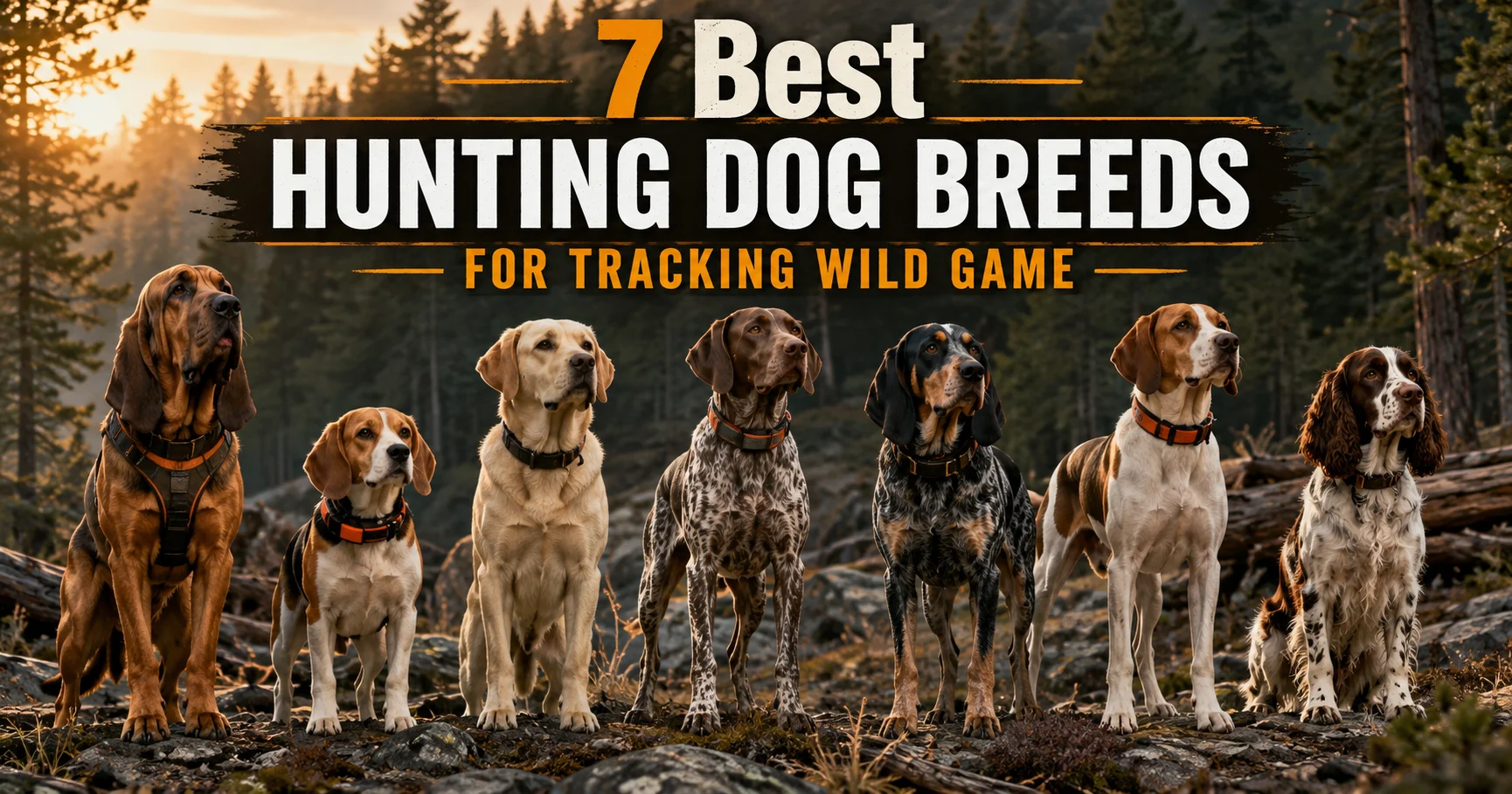
The good news is that several hunting breeds consistently stand out for scent tracking, endurance, intelligence, and trainability. In this guide, you will learn about the 7 best hunting dog breeds for tracking wild game, including their temperament, energy level, grooming needs, training style, exercise requirements, and beginner friendliness. You will also learn how to choose the right breed for your lifestyle, common mistakes owners make, supplies you may need, training tips, and safety advice every hunting dog owner should know.
What Makes a Great Hunting Dog for Tracking?
Not every energetic dog makes a good hunting companion. Tracking wild game requires specific instincts and working abilities.
The best hunting dog breeds usually have:
- Strong scent detection ability
- High stamina
- Mental focus
- Trainability
- Confidence in outdoor environments
- Good recall skills
- Calm behavior around gunfire and wildlife
- Strong handler connection
A good tracking dog must also stay controlled during excitement. Dogs that become overly distracted or stubborn can lose scent trails or chase dangerous animals.
Comparison Table of the Best Hunting Dog Breeds
| Breed | Best For | Energy Level | Beginner Friendly | Grooming Needs | Tracking Strength |
|---|---|---|---|---|---|
| Bloodhound | Long-distance scent tracking | High | Moderate | Moderate | Excellent |
| Beagle | Small game tracking | High | Yes | Low | Excellent |
| Labrador Retriever | Waterfowl and versatile hunting | High | Yes | Low | Very Good |
| German Shorthaired Pointer | Upland game hunting | Very High | Moderate | Low | Excellent |
| Bluetick Coonhound | Raccoon and large game tracking | High | Moderate | Moderate | Excellent |
| Treeing Walker Coonhound | Fast-moving game tracking | Very High | Moderate | Low | Excellent |
| English Springer Spaniel | Bird flushing and scent work | High | Yes | Moderate | Very Good |
Bloodhound
Why Bloodhounds Excel at Tracking
The Bloodhound has one of the strongest noses in the dog world. This breed can follow old scent trails over long distances and difficult terrain. Their loose skin and long ears help trap scent particles close to the nose, improving tracking performance.
Hunters often choose Bloodhounds for tracking wounded deer and larger wild game because of their persistence and scent accuracy.
Temperament and Personality
Bloodhounds usually act gentle and friendly at home, but they become highly focused during scent work. They can also act stubborn if training lacks consistency.
This breed bonds closely with family members but needs patient leadership.
Exercise and Training Needs
Bloodhounds need daily physical activity and mental work. Without enough stimulation, they may howl, wander, or become destructive.
Training tips:
- Start recall training early
- Use long tracking lines safely
- Reward scent success quickly
- Keep sessions short for puppies
- Practice in low-distraction areas first
Potential Challenges
Bloodhounds drool heavily and may ignore commands once they lock onto a scent trail. Secure fencing becomes extremely important for this breed.
Beagle
Why Beagles Are Popular Hunting Dogs
The Beagle remains one of the best hunting dog breeds for tracking small wild game. Their compact size, excellent nose, and strong prey drive make them highly effective in dense brush and wooded areas.
Beagles commonly track rabbits and similar fast-moving game.
Temperament and Family Suitability
Beagles usually act friendly, social, and playful. Many families enjoy them because they combine hunting ability with affectionate personalities.
They often get along well with children and other dogs.
Training Tips for Beagles
Beagles love following scents, which can sometimes make obedience harder outdoors.
Helpful training methods include:
- Use high-value treats
- Practice recall daily
- Avoid off-leash freedom too early
- Reward eye contact often
- Train before meals for better focus
Grooming and Care
Their short coat stays easy to maintain. Weekly brushing and ear cleaning usually keep them healthy and comfortable.
Labrador Retriever
Why Labradors Work Well for Hunting
The Labrador Retriever combines intelligence, trainability, scent ability, and water confidence. This breed performs extremely well for waterfowl hunting and retrieving tasks.
Many hunters also appreciate the Labrador’s calm temperament and adaptability.
Personality and Behavior
Labs usually act friendly, eager to learn, and highly people-oriented. They often enjoy training sessions and work hard to please handlers.
Because of this, they suit beginner hunting dog owners better than many other breeds.
Exercise Requirements
Labradors need regular activity every day.
Good activities include:
- Swimming
- Retrieval drills
- Scent games
- Hiking
- Obedience practice
Without enough exercise, Labs may develop weight gain or destructive habits.
Common Health Concerns
Watch for:
- Hip problems
- Elbow issues
- Ear infections
- Obesity
Healthy food portions and regular exercise help reduce many common issues.
German Shorthaired Pointer
Why Hunters Love This Breed
The German Shorthaired Pointer ranks among the most versatile hunting dogs available. This breed can track, point, retrieve, and work across different terrains.
Their athletic build and intense drive make them excellent for active owners.
Temperament and Energy Level
This breed carries extremely high energy. German Shorthaired Pointers thrive with owners who enjoy outdoor activities and daily training.
They usually act intelligent and loyal but may become hyperactive without structure.
Training Advice
Training should begin early and stay consistent.
Focus on:
- Basic obedience
- Recall
- Impulse control
- Leash manners
- Scent games
Reward-based methods work best because harsh correction can damage confidence.
Living Space Suitability
This breed rarely fits sedentary lifestyles or small indoor spaces without daily exercise. They need room to run safely.
Bluetick Coonhound
Tracking Ability
Bluetick Coonhounds have powerful scent-tracking instincts and strong endurance. Hunters often use them for tracking raccoons, boar, and larger wild game.
They perform especially well during long outdoor tracking sessions.
Personality Traits
Blueticks usually act determined, vocal, and independent. They enjoy working but may challenge inexperienced owners during training.
Training Challenges
Because of their independence, they require patience and consistency.
Common training advice:
- Start young
- Keep commands simple
- Use positive rewards
- Practice recall often
- Avoid punishment-based methods
Grooming Needs
Their short coat stays fairly low maintenance, but ear cleaning matters because active outdoor dogs often collect dirt and moisture.
Treeing Walker Coonhound
Why This Breed Stands Out
The Treeing Walker Coonhound combines speed, endurance, and excellent scent ability. Hunters value this breed for chasing and locating game quickly.
They move efficiently across rough terrain and maintain strong focus during tracking.
Personality and Home Life
These dogs usually act energetic, alert, and hardworking. They often enjoy family interaction but need significant exercise.
Without activity, they may bark excessively or become restless indoors.
Best Training Methods
Training should focus heavily on recall and impulse control.
Helpful methods include:
- Daily scent exercises
- Long leash tracking practice
- Consistent cue words
- Calm repetition
- Reward timing
Beginner Suitability
This breed suits active owners better than complete beginners because of its high drive and independence.
English Springer Spaniel
Hunting Strengths
English Springer Spaniels excel at flushing birds and scent tracking. Their intelligence and eagerness to work make them popular among hunters who want an energetic but trainable dog.
Temperament
This breed usually acts affectionate, friendly, and eager to please. They often balance hunting ability with strong family companionship.
Grooming and Coat Care
Springers need more grooming than short-coated hunting breeds.
Routine care includes:
- Brushing several times weekly
- Ear cleaning
- Paw checks after hunting
- Occasional trimming
Exercise and Mental Stimulation
These dogs need both physical exercise and mental challenges. Scent games and obedience drills help prevent boredom.
How to Choose the Right Hunting Dog Breed
Consider Your Hunting Style
Different breeds specialize in different tasks.
Ask yourself:
- Will you track small or large game?
- Do you hunt near water?
- Do you need retrieving ability?
- Will the dog live indoors with family?
- How much exercise can you provide daily?
Consider Your Experience Level
Some breeds challenge beginners more than others.
Generally easier for beginners:
- Labrador Retriever
- Beagle
- English Springer Spaniel
More demanding breeds:
- Bloodhound
- Bluetick Coonhound
- German Shorthaired Pointer
Consider Climate and Terrain
Heavy-coated dogs may struggle in extreme heat, while short-coated breeds may need extra protection during cold-weather hunting.
Rough terrain also affects paw care and endurance.
Supplies You Need Before Training a Hunting Dog
| Supply | Why It Helps |
|---|---|
| Long training leash | Allows safe scent practice |
| GPS tracking collar | Helps locate dogs in large outdoor areas |
| Reflective hunting vest | Improves visibility |
| High-value treats | Reinforces good behavior |
| Durable water bowl | Prevents dehydration outdoors |
| Dog first aid kit | Helps during minor emergencies |
| Scent training items | Builds tracking skills |
| Paw protection balm | Helps prevent cracked paws |
Step-by-Step Beginner Tracking Training
Start With Basic Obedience
Before scent work, teach:
- Sit
- Stay
- Recall
- Heel
- Leave it
A hunting dog without control can become dangerous outdoors.
Introduce Simple Scent Trails
Use short trails first.
Steps:
- Drag a scent item across grass
- Keep the trail short
- Reward the dog for following correctly
- Increase difficulty slowly
- Practice consistently
Train in Different Environments
Dogs must learn to track across:
- Grass
- Woods
- Mud
- Water edges
- Brush
Gradual exposure improves confidence and focus.
Daily Routine for Hunting Dogs
| Time | Activity |
|---|---|
| Morning | Walk or run |
| Midday | Mental enrichment or scent games |
| Afternoon | Obedience practice |
| Evening | Tracking exercises or retrieval drills |
| Night | Calm rest and recovery |
Common Mistakes Owners Make
Starting Advanced Training Too Early
Many owners rush into difficult tracking sessions before building obedience.
Not Exercising Enough
Hunting breeds need daily mental and physical activity. Understimulated dogs often develop behavior problems.
Using Harsh Punishment
Fear-based training can damage confidence and trust. Reward-based methods produce better long-term results.
Ignoring Health Problems
Pain can affect tracking performance and behavior. Sudden changes in energy or focus deserve veterinary attention.
Safety Tips Every Hunting Dog Owner Should Know
Protect Against Heat Exhaustion
Always bring water during outdoor sessions. Watch for:
- Heavy panting
- Weakness
- Excessive drooling
- Confusion
Check Paws After Hunts
Rocks, thorns, ice, and rough terrain can injure paws quickly.
Avoid Unsafe Wildlife Encounters
Do not allow uncontrolled chasing of dangerous animals.
Keep Vaccines Current
Outdoor hunting dogs face higher exposure risks from wildlife and contaminated water.
Ask your veterinarian which vaccines and parasite prevention products fit your dog’s lifestyle.
Do’s and Don’ts for Hunting Dog Training
| Do | Don’t |
|---|---|
| Reward good behavior immediately | Punish the dog harshly |
| Keep sessions consistent | Train randomly |
| Use safe tracking gear | Allow unsafe off-leash roaming |
| Build skills gradually | Rush difficult tracking work |
| Watch for fatigue | Overwork young dogs |
| Practice recall daily | Ignore basic obedience |
Troubleshooting Guide for Hunting Dog Problems
| Problem | Likely Reason | What To Do |
|---|---|---|
| Dog ignores scent trail | Too many distractions | Train in quieter areas first |
| Dog loses focus quickly | Sessions too long | Keep training shorter |
| Dog pulls excessively | Overexcitement | Practice leash control daily |
| Dog refuses commands outdoors | Weak recall foundation | Return to basic obedience |
| Dog becomes stubborn | Inconsistent training | Use the same cues every time |
| Dog tires quickly | Poor fitness or health issue | Increase conditioning gradually |
Nutrition Tips for Hunting Dogs
Tracking dogs burn significant energy, especially during long outdoor sessions.
Important Nutrition Guidelines
- Feed high-quality protein
- Maintain healthy body weight
- Avoid overfeeding
- Provide fresh water constantly
- Use healthy training treats carefully
Feeding Before Activity
Avoid large meals immediately before intense exercise because this may increase digestive problems.
Signs Your Dog May Need Veterinary Advice
Contact a veterinarian if your hunting dog shows:
- Sudden weight loss
- Weakness
- Limping
- Low stamina
- Repeated vomiting
- Extreme exhaustion
Indoor Life With Hunting Dogs
Even the best hunting dog breeds need balance between work and home life.
To keep them calmer indoors:
- Use puzzle toys
- Provide daily exercise
- Practice obedience games
- Offer safe chew toys
- Maintain routines
A mentally stimulated hunting dog usually behaves better at home.
Puppy vs Adult Hunting Dog Training
Puppies
Young puppies need:
- Short 2 to 5 minute lessons
- Gentle socialization
- Reward-based learning
- Confidence building
- Safe exposure to outdoor sounds
Avoid overworking growing joints.
Adult Dogs
Adult dogs can handle longer tracking sessions and more advanced scent challenges.
Consistency still matters at every age.
When to Ask a Professional Trainer
Some situations require extra help.
Consider a professional trainer if:
- Recall training completely fails
- The dog becomes aggressive
- Fear develops around gunfire
- Tracking progress stops completely
- The dog becomes unsafe outdoors
Early guidance can prevent long-term problems.
Conclusion
Choosing one of the 7 best hunting dog breeds for tracking wild game depends on your hunting goals, activity level, and training commitment. Some dogs excel at scent tracking over long distances, while others shine in retrieving, flushing, or working in difficult terrain. No matter which breed you choose, consistent reward-based training, daily exercise, proper nutrition, and safe outdoor practices make the biggest difference. A well-trained hunting dog becomes more than a working companion. It becomes a loyal partner both in the field and at home.
FAQs
What is the best hunting dog breed for tracking wild game?
Bloodhounds, German Shorthaired Pointers, and Bluetick Coonhounds rank among the best tracking breeds because of their strong scent ability and endurance.
Are Labrador Retrievers good hunting dogs?
Yes. Labrador Retrievers work very well for retrieving and tracking, especially around water and wetlands.
Which hunting dog breed is easiest for beginners?
Beagles and Labrador Retrievers usually suit beginners because they train more easily and adapt well to family life.
How early should I start training a hunting dog?
Most puppies can begin basic obedience and scent games around 8 weeks old using short, reward-based sessions.
Do hunting dogs need daily exercise?
Yes. Hunting breeds need daily physical and mental activity to stay healthy and avoid destructive behavior.
Can hunting dogs live indoors?
Yes. Many hunting dogs live happily indoors when owners provide enough exercise, structure, and mental stimulation.
What should I do if hunting dog training is not working?
Return to basic obedience, reduce distractions, use better rewards, and practice shorter sessions consistently. Professional help may also improve progress.
Which small hunting dog breed tracks wild game well?
Beagles remain one of the best small hunting dog breeds for tracking rabbits and similar small game.
Are hunting dogs good family pets?
Many hunting breeds become excellent family companions when properly trained and exercised regularly.
How do I keep my hunting dog safe outdoors?
Use tracking gear, carry water, check paws after hunts, maintain vaccines, and avoid unsafe wildlife encounters.