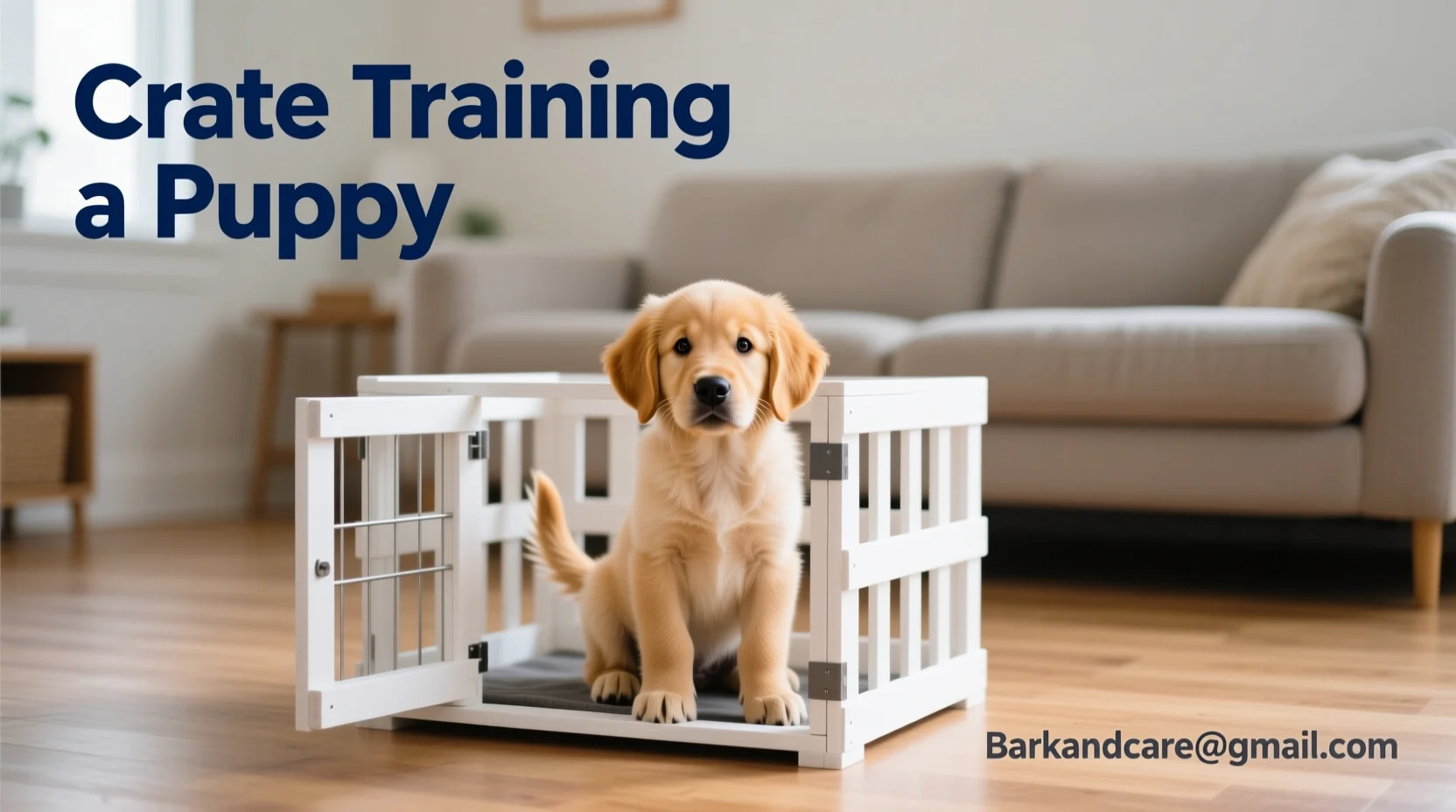
Bringing home a new puppy is pure joy but it also comes with sleepless nights, chewed slippers, and potty mishaps. One of the best ways to bring order to that adorable chaos is through crate training a puppy. It’s not about “locking up” your dog it’s about creating a safe, comforting space where they can relax and feel secure.
Crate training is an essential skill for every dog owner. It helps with housebreaking, reduces separation anxiety, and provides your puppy a cozy den of their own. When done right, your puppy will see their crate not as confinement but as a calm retreat.
Many new pet parents feel uncertain about where to start how long should the puppy stay inside, how to make it comfortable, and how to avoid negative associations? Don’t worry. This article will walk you through the complete process of crate training a puppy step-by-step, with expert-backed tips from Bark and Care to make the experience easy, effective, and positive for both you and your pup.
Let’s help your little one love their crate and make your home a happier place for everyone.
Why Crate Training a Puppy is So Important
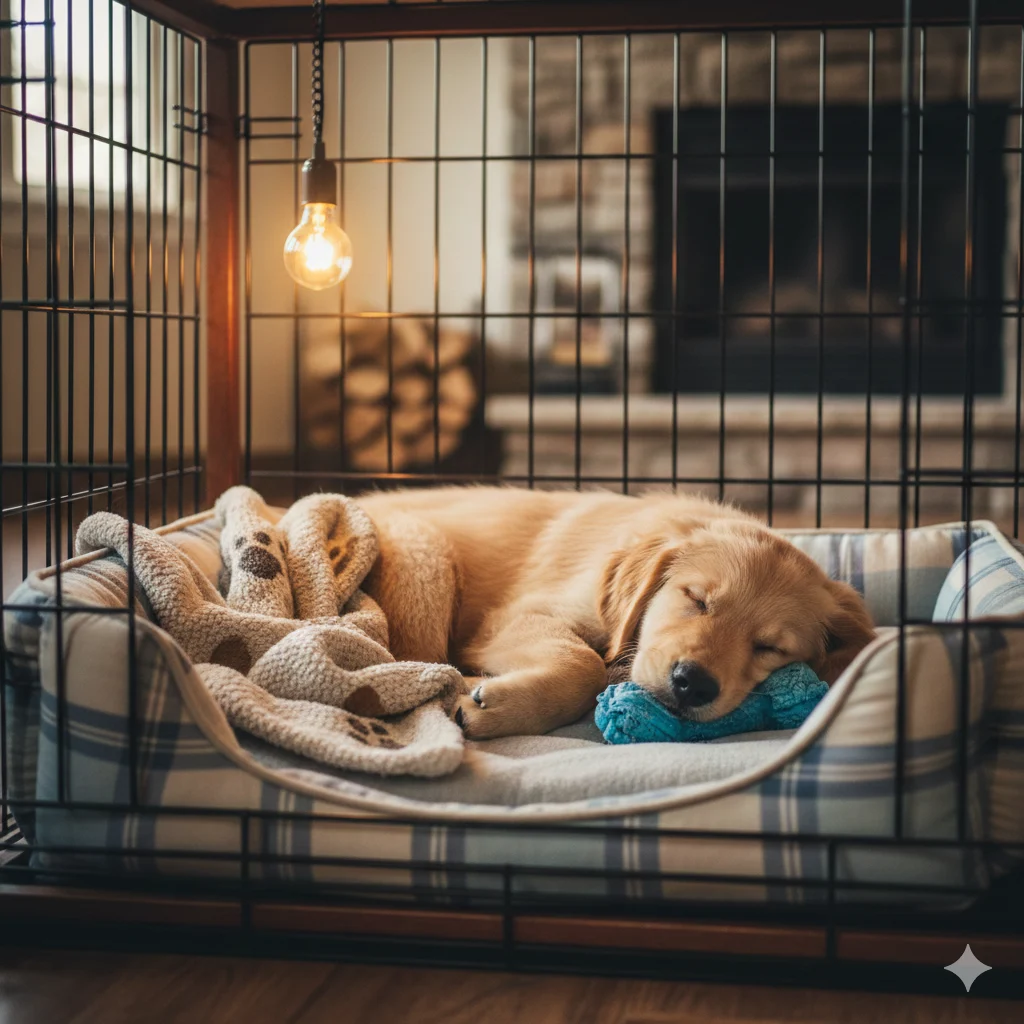
When it comes to raising a happy, well-behaved dog, crate training offers a range of lifelong benefits. It’s more than just a convenience for owners it’s also a comfort for dogs.
Puppies naturally seek small, den-like spaces where they feel safe. A crate mimics that instinct, giving your pup a private, secure spot to rest and decompress. It becomes their “bedroom” a place to nap, chew toys, and escape noise or stress.
Crate training also makes housebreaking much easier. Dogs don’t like to soil where they sleep, so the crate teaches them bladder control and encourages them to wait for potty breaks outside.
For owners, crates are lifesavers during travel, vet visits, or when guests arrive. They prevent destructive behavior and keep your puppy out of trouble while unsupervised. When introduced correctly, the crate becomes a positive tool, not a punishment.
How to Start Crate Training a Puppy (Step-by-Step)
Step 1: Choose the Right Crate
Your puppy’s crate should be big enough for them to stand, turn around, and lie down comfortably but not too big. If the crate is too spacious, your pup might use one corner for sleeping and another for pottying. Adjustable crates with dividers work perfectly for growing puppies.
Step 2: Create a Welcoming Space
Add a soft bed, blanket, and a safe chew toy. Keep the crate in a quiet area of your home but not isolated your puppy should feel included, not exiled.
Step 3: Introduce the Crate Gradually
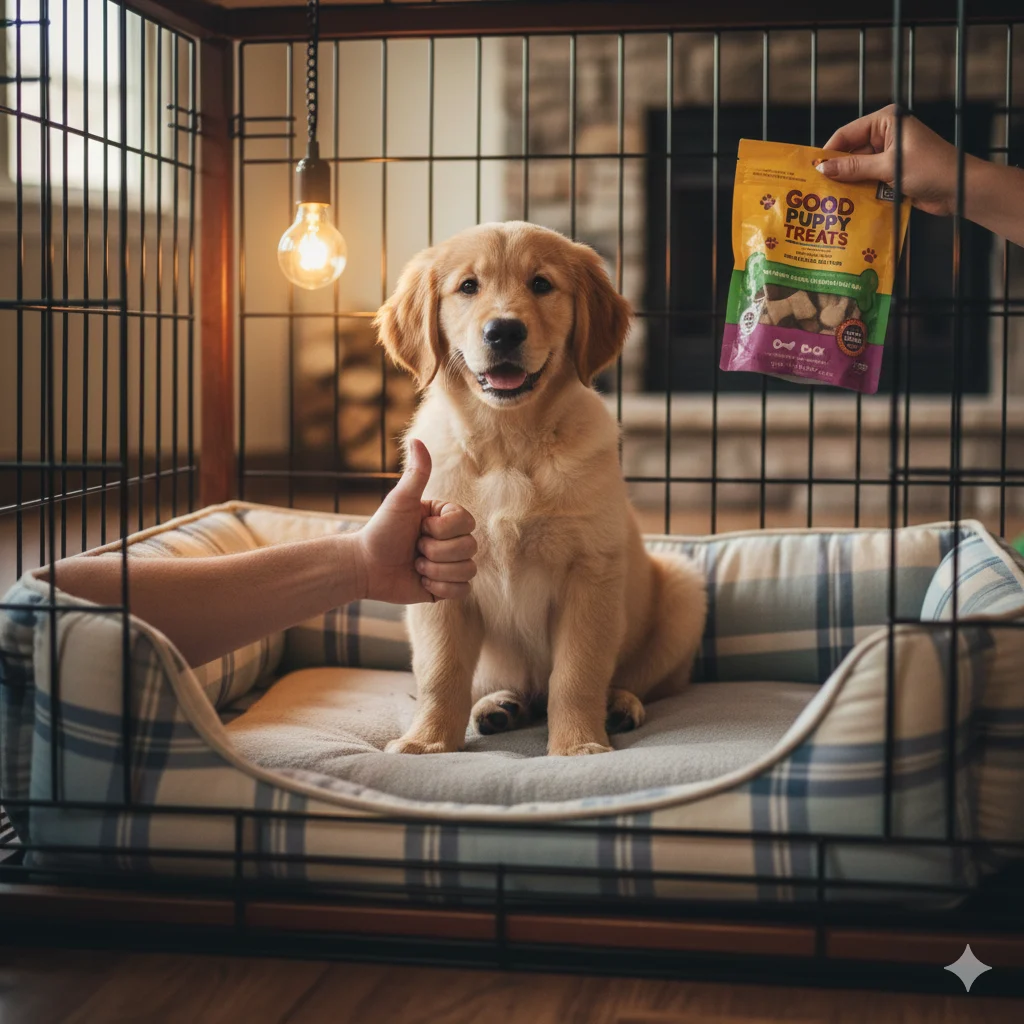
Leave the crate door open and toss a treat inside. Let your puppy explore freely without forcing them in. Repeat this throughout the day, feeding meals near or inside the crate to build positive associations.
Step 4: Close the Door Briefly
Once your puppy is comfortable, gently close the door for a few seconds while they chew or play. Gradually increase the duration while you stay nearby. Keep sessions short and positive patience is key.
Step 5: Extend Alone Time
After your puppy can relax for several minutes, step out of the room briefly. Return calmly before they whine or bark. Over time, your pup will learn that you always come back, easing separation anxiety.
Consistency, gentle encouragement, and plenty of rewards make the process smooth and enjoyable for both of you.
Crate Training Tips from the Experts at Bark and Care
Crate training takes patience, but these expert-approved tips make it easier and faster:
1. Use Positive Reinforcement
Never force your puppy inside. Encourage them with gentle praise, treats, or toys. Every positive experience strengthens their bond with the crate.
2. Keep Sessions Short
Start with 5–10 minutes and slowly extend. Puppies have short attention spans small wins lead to lasting results.
3. Crate at Night (the Right Way)
Place the crate near your bed during the first few nights. Hearing your voice or breathing reassures your puppy. Gradually move the crate farther as they gain confidence.
4. Use the Crate for Travel
Once your puppy loves their crate, use it for car rides. It keeps them safe and calm on the go perfect for vet visits, road trips, or vacations.
5. Keep It Routine
Crate training works best when it’s part of your daily schedule. Feed meals in the crate, schedule nap times, and always reward calm behavior inside.
With patience and routine, your puppy will soon walk into their crate willingly tail wagging and all!
Common Crate Training Mistakes and How to Avoid Them
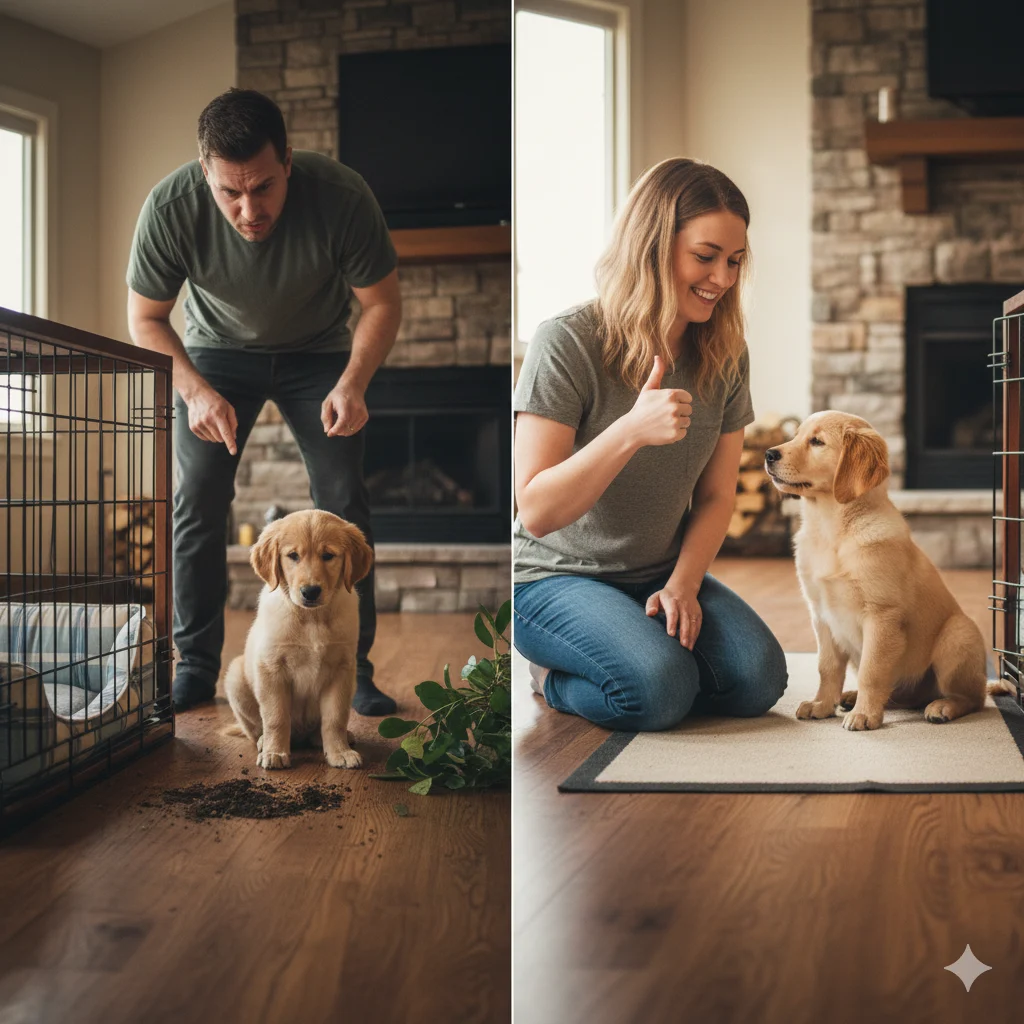
Even with the best intentions, first-time dog parents often make a few crate training missteps. Knowing what not to do can make all the difference.
Mistake 1: Using the Crate for Punishment
Never send your puppy to the crate after bad behavior. It should always be a positive space otherwise, they’ll associate it with fear and isolation.
Mistake 2: Leaving the Puppy Crated Too Long
Young puppies can’t hold their bladder for hours. A general rule: one hour per month of age (e.g., a 3-month-old = 3 hours). Too much confinement can cause anxiety or accidents.
Mistake 3: Ignoring Whining or Crying
If your puppy whines, don’t rush to let them out immediately. Wait until they’re calm, then open the door. Otherwise, they’ll learn that whining gets them released.
Mistake 4: Skipping Consistency
Inconsistency confuses puppies. Stick to regular crate times naps, mealtime, bedtime to help them predict and adapt.
Avoiding these pitfalls ensures that your puppy’s crate becomes a happy, reliable retreat not a source of stress.
CONCLUSION:
Crate training a puppy isn’t just about convenience it’s about creating a foundation for comfort, confidence, and trust. When you teach your puppy that their crate is a safe haven, not a prison, you build lifelong positive habits.
Remember to go slow, reward generously, and stay patient. With love and consistency, your puppy will see their crate as their favorite spot in the house and you’ll enjoy a calmer, more confident companion.
At Bark and Care, we believe great training begins with understanding. Here’s to raising a happy, well-adjusted pup one paw step at a time!
❓ FAQs SECTION:
Q1: What’s the best age to start crate training a puppy?
A1: You can begin crate training as early as 8 weeks. At this age, puppies are curious, adaptable, and eager to learn routines.
Q2: How long can I leave my puppy in the crate?
A2: Limit crate time based on age roughly one hour per month. For example, a 3-month-old puppy shouldn’t stay in the crate for more than 3 hours at a time.
Q3: Should I put my puppy in the crate at night?
A3: Yes! Place the crate near your bed so your puppy feels secure. Gradually move it away once they’re comfortable sleeping alone.
Q4: My puppy cries in the crate what should I do?
A4: Stay calm and don’t scold. Wait until the whining stops before letting them out to teach that quiet behavior earns freedom.
Q5: Can crate training help with potty training?
A5: Absolutely! Puppies avoid soiling their sleeping area, so crate training helps establish bladder control and faster potty success.