Quick Note
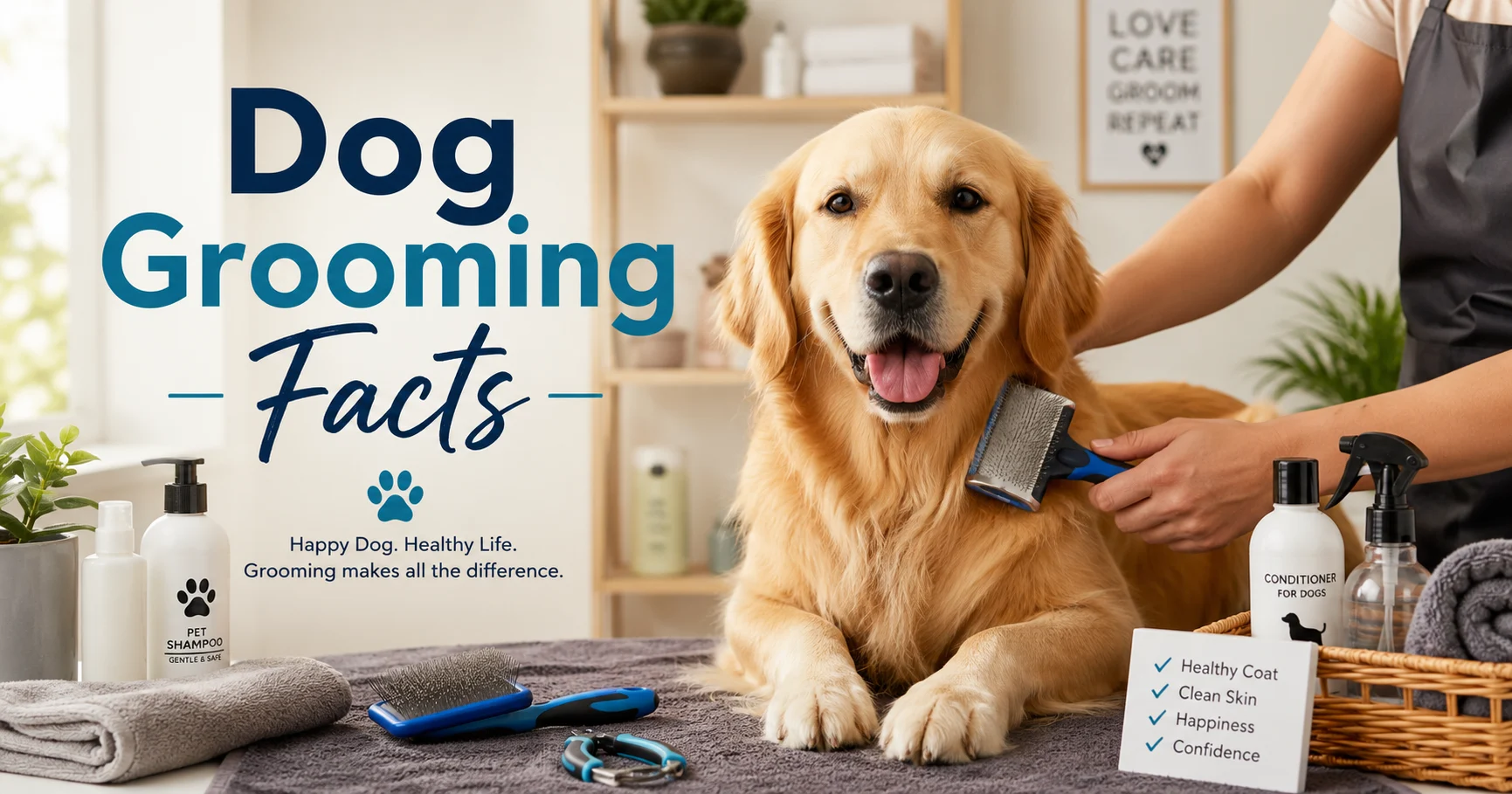
Dog grooming facts matter because grooming affects your dog’s skin, coat, comfort, hygiene, and overall health. Start with simple routines like brushing, nail checks, ear cleaning, and gentle bathing. Use tools that match your dog’s coat type and size. Keep grooming sessions calm and short for nervous dogs. Watch for signs like itching, redness, bad odor, or hair loss, and contact a vet if symptoms continue.
Introduction
Many dog owners think grooming only means giving a dog a bath or making the coat look nice. In reality, grooming plays a major role in a dog’s health and comfort. Regular brushing, nail trimming, ear cleaning, and coat care can help prevent painful problems before they become serious.
A neglected coat may develop mats that pull on the skin. Long nails can affect walking and posture. Dirty ears may lead to infections. Some dogs also become stressed during grooming because owners rush the process or use the wrong tools. Puppies often fear nail trimming or baths if owners introduce grooming too quickly.
That is why learning real dog grooming facts helps every pet owner. Good grooming habits support healthy skin, reduce shedding, improve comfort, and help owners notice early health changes. Grooming also strengthens trust between dogs and their families when done gently and consistently.
This guide explains important grooming facts, coat care basics, bathing tips, brushing routines, grooming mistakes, safety advice, and practical grooming tips for beginners. You will also learn how grooming needs change between puppies, adult dogs, and senior dogs.
Why Grooming Matters More Than Most Owners Think
Many owners focus on feeding and exercise but forget that grooming supports overall health too.
Regular grooming helps:
- Remove dirt and loose fur
- Reduce mats and tangles
- Improve skin health
- Lower shedding around the home
- Prevent nail problems
- Reduce ear infection risk
- Help owners spot bumps, cuts, or parasites early
Dogs also feel more comfortable after proper grooming. Thick, dirty coats may trap heat, moisture, and debris, especially in active dogs.
Important Dog Grooming Facts About Different Coat Types
Not all dogs need the same grooming routine. Coat type changes everything from brushing frequency to bathing needs.
Short Coat Dogs
Short-haired dogs still shed and need regular brushing.
These dogs usually need:
- Weekly brushing
- Occasional baths
- Basic nail and ear care
Short coats may look low maintenance, but dead hair and skin oils still build up.
Double-Coated Dogs
Double-coated breeds have a soft undercoat and protective outer coat.
These dogs often:
- Shed heavily during seasonal changes
- Need regular brushing
- Require careful coat maintenance
Shaving double-coated dogs too short can affect coat protection and temperature regulation.
Curly or Wavy Coat Dogs
Curly coats often trap loose hair instead of shedding it onto furniture.
These coats need:
- Frequent brushing
- Professional trimming
- Mat prevention
Without regular care, mats can become painful very quickly.
Long-Haired Dogs
Long coats need more maintenance because tangles form easily.
Owners should:
- Brush daily or several times weekly
- Check areas behind ears and legs
- Keep fur clean and dry
Dog Brushing Facts Every Beginner Should Know
Brushing does much more than improve appearance.
Brushing Helps Skin Health
Brushing spreads natural skin oils through the coat. This supports healthier skin and shinier fur.
Mats Can Become Painful.
Tangled fur pulls tightly on the skin. Severe mats may trap moisture and dirt underneath.
Dogs with mats may:
- Scratch constantly
- Avoid touch
- Develop skin irritation
Different Brushes Work for Different Coats
Using the wrong brush may hurt the dog or fail to remove loose fur properly.
Grooming Supplies You Need Before You Start
A few basic tools can make home grooming much easier and safer.
| Supply | Why It Helps |
|---|---|
| Slicker brush | Removes loose fur and tangles |
| Dog comb | Helps check for hidden mats. |
| Nail trimmer | Prevents overgrown nails |
| Dog shampoo | Protects skin and coat |
| Towels | Helps dry the coat safely |
| Ear cleaning solution | Supports ear hygiene |
| Treats | Creates positive grooming experiences |
| Non-slip mat | Helps nervous dogs feel stable |
Dog Bathing Facts Owners Often Get Wrong
Many people bathe dogs too often or use unsafe products.
Human shampoo is not safe for dogs.
Human skin and dog skin have different needs. Human shampoo may dry or irritate a dog’s skin.
Always use dog-safe grooming products.
Too Many Baths Can Dry the Skin
Overbathing removes natural oils from the coat.
Signs of excessive bathing include:
- Dry skin
- Flaking
- Dull fur
- Itching
Bath Frequency Depends on the Dog
Dogs with oily coats may need more frequent baths. Some dogs only need occasional bathing if owners brush them regularly.
Always Dry the Coat Properly.
Damp fur may trap moisture against the skin.
Pay attention to:
- Skin folds
- Thick coats
- Areas under collars
- Between toes
Nail Trimming Facts That Surprise Many Owners
Long nails create more problems than many owners realize.
Long Nails Affect Walking
Overgrown nails may:
- Change posture
- Cause discomfort
- Increase slipping risk
Some dogs also develop joint strain from poor foot positioning.
Puppies Need Early Nail Handling.
Gentle paw handling during puppyhood helps dogs stay calmer later.
Keep early sessions:
- Short
- Positive
- Calm
- Reward based
Fear Often Comes From Bad Experiences.
Dogs may fear nail trimming after painful cuts or rough handling.
Go slowly and reward calm behavior.
Dog Ear Cleaning Facts
Ear care matters, especially for dogs with floppy ears or swimming habits.
Dirty Ears May Lead to Infection
Watch for:
- Bad smell
- Redness
- Head shaking
- Dark discharge
Never Push Deep Into the Ear
Avoid inserting cotton swabs deep inside the ear canal.
Use dog-safe ear cleaning products and follow gentle cleaning methods.
Some dogs need more ear care than others.
Dogs with floppy ears or heavy hair around the ears often need more regular checks.
Dog Grooming Facts About Shedding
Many owners think shaving stops shedding completely, but that is not true.
Shedding Is Normal
Most dogs shed at least a little throughout the year.
Factors affecting shedding include:
- Breed
- Season
- Diet
- Health
- Stress
Brushing Helps Control Loose Hair
Regular brushing removes loose fur before it spreads around the house.
Diet Affects Coat Quality
Poor nutrition may worsen shedding and dullness.
Healthy coats often need:
- Balanced nutrition
- Fresh water
- Proper grooming
- Healthy skin care
Step-by-Step Home Grooming Routine
A calm routine helps dogs feel safer during grooming sessions.
Step 1: Let the dog relax.
Start in a quiet area without distractions.
Step 2: Brush Before Bathing
Brushing removes tangles and loose fur before water makes mats tighter.
Step 3: Use Lukewarm Water
Avoid very hot or cold water.
Step 4: Use Gentle Shampoo
Massage gently without scrubbing aggressively.
Step 5: Dry Thoroughly
Use towels and keep the dog warm during drying.
Step 6: Finish With Calm Praise
Reward calm behavior with treats and praise.
Puppy Grooming Facts New Owners Should Know
Puppies need early positive grooming experiences.
Start Slowly.
Young puppies do not need long grooming sessions.
Start with:
- Gentle brushing
- Paw touching
- Short baths
- Calm handling
Keep sessions short.
Two to five minutes works well for beginners.
Reward Calm Behavior Quickly.
Treats and praise help puppies connect grooming with positive experiences.
Avoid Fear During Early Grooming
Do not force frightened puppies into stressful situations.
Senior Dog Grooming Facts
Older dogs often need extra care during grooming.
Senior Dogs May Have Joint Pain
Use soft surfaces and gentle handling.
Avoid forcing uncomfortable positions.
Skin May Become More Sensitive
Use mild shampoos and soft brushes.
Older Dogs Need More Health Checks
Grooming sessions help owners notice the following:
- Lumps
- Skin changes
- Weight loss
- Pain reactions
Contact a vet if you notice sudden changes.
Common Dog Grooming Mistakes
Many grooming problems happen because owners follow bad advice or rush the process.
Skipping Regular Brushing
Waiting too long between brushing sessions increases mats and shedding.
Using Unsafe Products
Some human products irritate dogs skin badly.
Ignoring Nail Care
Overgrown nails may cause pain and walking issues.
Bathing Too Frequently
Too many baths may dry the skin and coat.
Forcing Nervous Dogs
Fear often worsens when owners rush grooming.
Dog Grooming Do’s and Don’ts
| Do | Don’t |
|---|---|
| Use dog-safe shampoo. | Use human shampoo. |
| Brush regularly. | Wait until mats become severe. |
| Reward calm behavior. | Force scared dogs roughly. |
| Check ears weekly. | Ignore bad smells or redness. |
| Trim nails carefully. | Cut nails too short |
| Use proper tools. | Use sharp, unsafe scissors. |
Troubleshooting Common Grooming Problems
| Problem | Likely Reason | What To Do |
|---|---|---|
| Dogs hate brushing. | Fear or painful mats | Start slowly with rewards. |
| Dry flaky skin | Overbathing or irritation | Reduce baths and use gentle shampoo. |
| Strong odor after bath | Damp coat or skin issue | Dry fully and monitor skin. |
| Excessive shedding | Seasonal shedding or stress | Brush more often and improve coat care. |
| Dogs fear nail trimming. | Previous bad experience | Use gradual handling and rewards. |
| Ear scratching | Dirty or irritated ears | Clean gently and contact a vet if needed. |
Signs Your Dog May Need Professional Grooming
Some situations require expert help.
Severe Mats
Tight mats near the skin may need professional removal.
Difficult Nail Trimming
Some dogs resist strongly because of fear or pain.
Thick Double Coats
Heavy seasonal shedding sometimes needs professional deshedding tools.
Skin Problems
Seek veterinary advice for:
- Open sores
- Bleeding skin
- Strong odor
- Hair loss
- Severe itching
This article does not replace veterinary care. Contact a vet if symptoms seem severe, sudden, or painful.
How Often Should Dogs Be Groomed?
The right schedule depends on breed, coat type, and lifestyle.
| Grooming Task | Typical Frequency |
|---|---|
| Brushing | Daily to weekly |
| Nail trimming | Every 3 to 6 weeks |
| Ear checks | Weekly |
| Bathing | Every few weeks or as needed |
| Professional grooming | Every few months for some breeds |
Safety Tips Every Dog Owner Should Know
Safe grooming prevents stress and injuries.
- Keep grooming sessions calm
- Use non-slip surfaces
- Never leave dogs unattended in water.
- Keep scissors away from skin folds.
- Watch for signs of stress
- Stop if the dog becomes overwhelmed
- Reward calm behavior often
If a dog suddenly becomes aggressive during grooming, ask a vet to rule out pain or illness.
Indoor vs. Outdoor Dogs and Grooming Needs
Outdoor dogs often collect the following:
- Dirt
- Mud
- Debris
- Ticks
- Loose fur
Indoor dogs may still need regular grooming because skin oils, shedding, and nail growth continue indoors.
Active dogs usually need more frequent coat checks after walks or outdoor play.
Conclusion
Dog grooming facts go far beyond keeping a dog clean or attractive. Regular grooming supports healthy skin, coat comfort, nail health, ear hygiene, and early health detection. A calm routine, proper tools, and gentle handling help dogs feel safe during grooming sessions. Whether you care for a puppy, adult dog, or senior companion, consistent grooming creates a healthier and more comfortable life for your dog.
FAQs
Why are dog grooming facts important for owners?
Dog grooming facts help owners understand proper coat care, nail trimming, bathing, and skin health before problems become serious.
How often should I brush my dog?
It depends on the coat type. Long-haired and curly-coated dogs often need more brushing than short-haired breeds.
Can I use human shampoo on my dog?
No. Human shampoo may irritate dogs skin and remove natural oils.
What are the most important dog grooming facts for puppies?
Puppies need short positive grooming sessions, gentle handling, reward-based experiences, and early exposure to brushing and nail care.
Why does my dog hate grooming?
Fear, painful mats, bad experiences, or rushing the process may cause grooming stress.
How do I know if my dog’s nails are too long?
If nails click loudly on hard floors or affect walking posture, they likely need trimming.
What should I do if my dog has severe mats?
Do not pull on mats aggressively. Severe mats may require professional grooming help.
How often should dogs get baths?
Bathing frequency depends on coat type, activity level, and skin condition. Overbathing may dry the skin.
When should I contact a vet about grooming problems?
Contact a vet if you notice skin infections, severe itching, bleeding, bad odor, hair loss, or sudden pain during grooming.
Do indoor dogs still need regular grooming?
Yes. Indoor dogs still shed, grow nails, collect oils, and need coat and skin maintenance. This guide explains important grooming facts, coat care basics, bathing tips, brushing routines, grooming mistakes, safety advice, and practical grooming tips for beginners. You will also learn how grooming needs change between puppies, adult dogs, and senior dogs.
Why Grooming Matters More Than Most Owners Think
Many owners focus on feeding and exercise but forget that grooming supports overall health too.
Regular grooming helps:
- Remove dirt and loose fur
- Reduce mats and tangles
- Improve skin health
- Lower shedding around the home
- Prevent nail problems
- Reduce ear infection risk
- Help owners spot bumps, cuts, or parasites early
Dogs also feel more comfortable after proper grooming. Thick, dirty coats may trap heat, moisture, and debris, especially in active dogs.
Important Dog Grooming Facts About Different Coat Types
Not all dogs need the same grooming routine. Coat type changes everything from brushing frequency to bathing needs.
Short Coat Dogs
Short-haired dogs still shed and need regular brushing.
These dogs usually need:
- Weekly brushing
- Occasional baths
- Basic nail and ear care
Short coats may look low maintenance, but dead hair and skin oils still build up.
Double-Coated Dogs
Double-coated breeds have a soft undercoat and protective outer coat.
These dogs often:
- Shed heavily during seasonal changes
- Need regular brushing
- Require careful coat maintenance
Shaving double-coated dogs too short can affect coat protection and temperature regulation.
Curly or Wavy Coat Dogs
Curly coats often trap loose hair instead of shedding it onto furniture.
These coats need:
- Frequent brushing
- Professional trimming
- Mat prevention
Without regular care, mats can become painful very quickly.
Long-Haired Dogs
Long coats need more maintenance because tangles form easily.
Owners should:
- Brush daily or several times weekly
- Check areas behind ears and legs
- Keep fur clean and dry
Dog Brushing Facts Every Beginner Should Know
Brushing does much more than improve appearance.
Brushing Helps Skin Health
Brushing spreads natural skin oils through the coat. This supports healthier skin and shinier fur.
Mats Can Become Painful.
Tangled fur pulls tightly on the skin. Severe mats may trap moisture and dirt underneath.
Dogs with mats may:
- Scratch constantly
- Avoid touch
- Develop skin irritation
Different Brushes Work for Different Coats
Using the wrong brush may hurt the dog or fail to remove loose fur properly.
Grooming Supplies You Need Before You Start
A few basic tools can make home grooming much easier and safer.
| Supply | Why It Helps |
|---|---|
| Slicker brush | Removes loose fur and tangles |
| Dog comb | Helps check for hidden mats. |
| Nail trimmer | Prevents overgrown nails |
| Dog shampoo | Protects skin and coat |
| Towels | Helps dry the coat safely |
| Ear cleaning solution | Supports ear hygiene |
| Treats | Creates positive grooming experiences |
| Non-slip mat | Helps nervous dogs feel stable |
Dog Bathing Facts Owners Often Get Wrong
Many people bathe dogs too often or use unsafe products.
Human shampoo is not safe for dogs.
Human skin and dog skin have different needs. Human shampoo may dry or irritate a dog’s skin.
Always use dog-safe grooming products.
Too Many Baths Can Dry the Skin
Overbathing removes natural oils from the coat.
Signs of excessive bathing include:
- Dry skin
- Flaking
- Dull fur
- Itching
Bath Frequency Depends on the Dog
Oily-coated dogs could require more regular bathing. Some dogs only need occasional bathing if owners brush them regularly.
Always Dry the Coat Properly.
Damp fur may trap moisture against the skin.
Pay attention to:
- Skin folds
- Thick coats
- Areas under collars
- Between toes
Nail Trimming Facts That Surprise Many Owners
Long nails create more problems than many owners realize.
Long Nails Affect Walking
Overgrown nails may:
- Change posture
- Cause discomfort
- Increase slipping risk
Some dogs also develop joint strain from poor foot positioning.
Puppies Need Early Nail Handling.
Gentle paw handling during puppyhood helps dogs stay calmer later.
Keep early sessions:
- Short
- Positive
- Calm
- Reward based
Fear Often Comes From Bad Experiences.
Dogs may fear nail trimming after painful cuts or rough handling.
Go slowly and reward calm behavior.
Dog Ear Cleaning Facts
Ear care matters, especially for dogs with floppy ears or swimming habits.
Dirty Ears May Lead to Infection
Watch for:
- Bad smell
- Redness
- Head shaking
- Dark discharge
Never Push Deep Into the Ear
Avoid inserting cotton swabs deep inside the ear canal.
Use dog-safe ear cleaning products and follow gentle cleaning methods.
Some dogs need more ear care than others.
Dogs with floppy ears or heavy hair around the ears often need more regular checks.
Dog Grooming Facts About Shedding
Many owners think shaving stops shedding completely, but that is not true.
Shedding Is Normal
Most dogs shed at least a little throughout the year.
Factors affecting shedding include:
- Breed
- Season
- Diet
- Health
- Stress
Brushing Helps Control Loose Hair
Regular brushing removes loose fur before it spreads around the house.
Diet Affects Coat Quality
Poor nutrition may worsen shedding and dullness.
Healthy coats often need:
- Balanced nutrition
- Fresh water
- Proper grooming
- Healthy skin care
Step-by-Step Home Grooming Routine
A calm routine helps dogs feel safer during grooming sessions.
Step 1: Let the dog relax.
Start in a quiet area without distractions.
Step 2: Brush Before Bathing
Brushing removes tangles and loose fur before water makes mats tighter.
Step 3: Use Lukewarm Water
Avoid very hot or cold water.
Step 4: Use Gentle Shampoo
Massage gently without scrubbing aggressively.
Step 5: Dry Thoroughly
Use towels and keep the dog warm during drying.
Step 6: Finish With Calm Praise
Reward calm behavior with treats and praise.
Puppy Grooming Facts New Owners Should Know
Puppies need early positive grooming experiences.
Start Slowly.
Young puppies do not need long grooming sessions.
Start with:
- Gentle brushing
- Paw touching
- Short baths
- Calm handling
Keep sessions short.
Two to five minutes works well for beginners.
Reward Calm Behavior Quickly.
Treats and praise help puppies connect grooming with positive experiences.
Avoid Fear During Early Grooming
Do not force frightened puppies into stressful situations.
Senior Dog Grooming Facts
Older dogs often need extra care during grooming.
Senior Dogs May Have Joint Pain
Use soft surfaces and gentle handling.
Avoid forcing uncomfortable positions.
Skin May Become More Sensitive
Use mild shampoos and soft brushes.
Older Dogs Need More Health Checks
Grooming sessions help owners notice the following:
- Lumps
- Skin changes
- Weight loss
- Pain reactions
Contact a vet if you notice sudden changes.
Common Dog Grooming Mistakes
Many grooming problems happen because owners follow bad advice or rush the process.
Skipping Regular Brushing
Waiting too long between brushing sessions increases mats and shedding.
Using Unsafe Products
Some human products irritate dogs skin badly.
Ignoring Nail Care
Overgrown nails may cause pain and walking issues.
Bathing Too Frequently
Too many baths may dry the skin and coat.
Forcing Nervous Dogs
Fear often worsens when owners rush grooming.
Dog Grooming Do’s and Don’ts
| Do | Don’t |
|---|---|
| Use dog-safe shampoo. | Use human shampoo. |
| Brush regularly. | Wait until mats become severe. |
| Reward calm behavior. | Force scared dogs roughly. |
| Check ears weekly. | Ignore bad smells or redness. |
| Trim nails carefully. | Cut nails too short |
| Use proper tools. | Use sharp, unsafe scissors. |
Troubleshooting Common Grooming Problems
| Problem | Likely Reason | What To Do |
|---|---|---|
| Dogs hate brushing. | Fear or painful mats | Start slowly with rewards. |
| Dry flaky skin | Overbathing or irritation | Reduce baths and use gentle shampoo. |
| Strong odor after bath | Damp coat or skin issue | Dry fully and monitor skin. |
| Excessive shedding | Seasonal shedding or stress | Brush more often and improve coat care. |
| Dogs fear nail trimming. | Previous bad experience | Use gradual handling and rewards. |
| Ear scratching | Dirty or irritated ears | Clean gently and contact a vet if needed. |
Signs Your Dog May Need Professional Grooming
Some situations require expert help.
Severe Mats
Tight mats near the skin may need professional removal.
Difficult Nail Trimming
Some dogs resist strongly because of fear or pain.
Thick Double Coats
Heavy seasonal shedding sometimes needs professional deshedding tools.
Skin Problems
Seek veterinary advice for:
- Open sores
- Bleeding skin
- Strong odor
- Hair loss
- Severe itching
This article does not replace veterinary care. Contact a vet if symptoms seem severe, sudden, or painful.
How Often Should Dogs Be Groomed?
The right schedule depends on breed, coat type, and lifestyle.
| Grooming Task | Typical Frequency |
|---|---|
| Brushing | Daily to weekly |
| Nail trimming | Every 3 to 6 weeks |
| Ear checks | Weekly |
| Bathing | Every few weeks or as needed |
| Professional grooming | Every few months for some breeds |
Safety Tips Every Dog Owner Should Know
Safe grooming prevents stress and injuries.
- Keep grooming sessions calm
- Use non-slip surfaces
- Never leave dogs unattended in water.
- Keep scissors away from skin folds.
- Watch for signs of stress
- Stop if the dog becomes overwhelmed
- Reward calm behavior often
If a dog suddenly becomes aggressive during grooming, ask a vet to rule out pain or illness.
Indoor vs. Outdoor Dogs and Grooming Needs
Outdoor dogs often collect the following:
- Dirt
- Mud
- Debris
- Ticks
- Loose fur
Indoor dogs may still need regular grooming because skin oils, shedding, and nail growth continue indoors.
Active dogs usually need more frequent coat checks after walks or outdoor play.
Conclusion
Dog grooming facts go far beyond keeping a dog clean or attractive. Regular grooming supports healthy skin, coat comfort, nail health, ear hygiene, and early health detection. A calm routine, proper tools, and gentle handling help dogs feel safe during grooming sessions. Whether you care for a puppy, adult dog, or senior companion, consistent grooming creates a healthier and more comfortable life for your dog.
FAQs
Why are dog grooming facts important for owners?
Dog grooming facts help owners understand proper coat care, nail trimming, bathing, and skin health before problems become serious.
How often should I brush my dog?
It depends on the coat type. Long-haired and curly-coated dogs often need more brushing than short-haired breeds.
Can I use human shampoo on my dog?
No. Human shampoo may irritate dogs skin and remove natural oils.
What are the most important dog grooming facts for puppies?
Puppies need short positive grooming sessions, gentle handling, reward-based experiences, and early exposure to brushing and nail care.
Why does my dog hate grooming?
Fear, painful mats, bad experiences, or rushing the process may cause grooming stress.
How do I know if my dog’s nails are too long?
If nails click loudly on hard floors or affect walking posture, they likely need trimming.
What should I do if my dog has severe mats?
Do not pull on mats aggressively. Severe mats may require professional grooming help.
How often should dogs get baths?
Bathing frequency depends on coat type, activity level, and skin condition. Overbathing may dry the skin.
When should I contact a vet about grooming problems?
Contact a vet if you notice skin infections, severe itching, bleeding, bad odor, hair loss, or sudden pain during grooming.
Do indoor dogs still need regular grooming?
Yes. Indoor dogs still shed, grow nails, collect oils, and need coat and skin maintenance.