There’s nothing quite like the feeling of snuggling up to a freshly groomed dog soft fur, clean scent, and that adorable “I know I’m cute” look. But beyond the cuteness, dog grooming is essential for your pup’s health and comfort.
Proper grooming prevents skin problems, keeps coats shiny, and helps detect issues like ticks, mats, or infections early. Whether you own a fluffy Golden Retriever or a sleek Beagle, grooming routines can make a world of difference in their wellbeing.
In this guide, we’ll walk you through everything you need to know about dog grooming from brushing and bathing to trimming nails and cleaning ears. You’ll also learn expert tips to make grooming a stress-free bonding experience for you and your furry friend.
Let’s dive into the ultimate grooming routine that will keep your dog looking and feeling their best inside and out.
Understanding the Basics of Dog Grooming
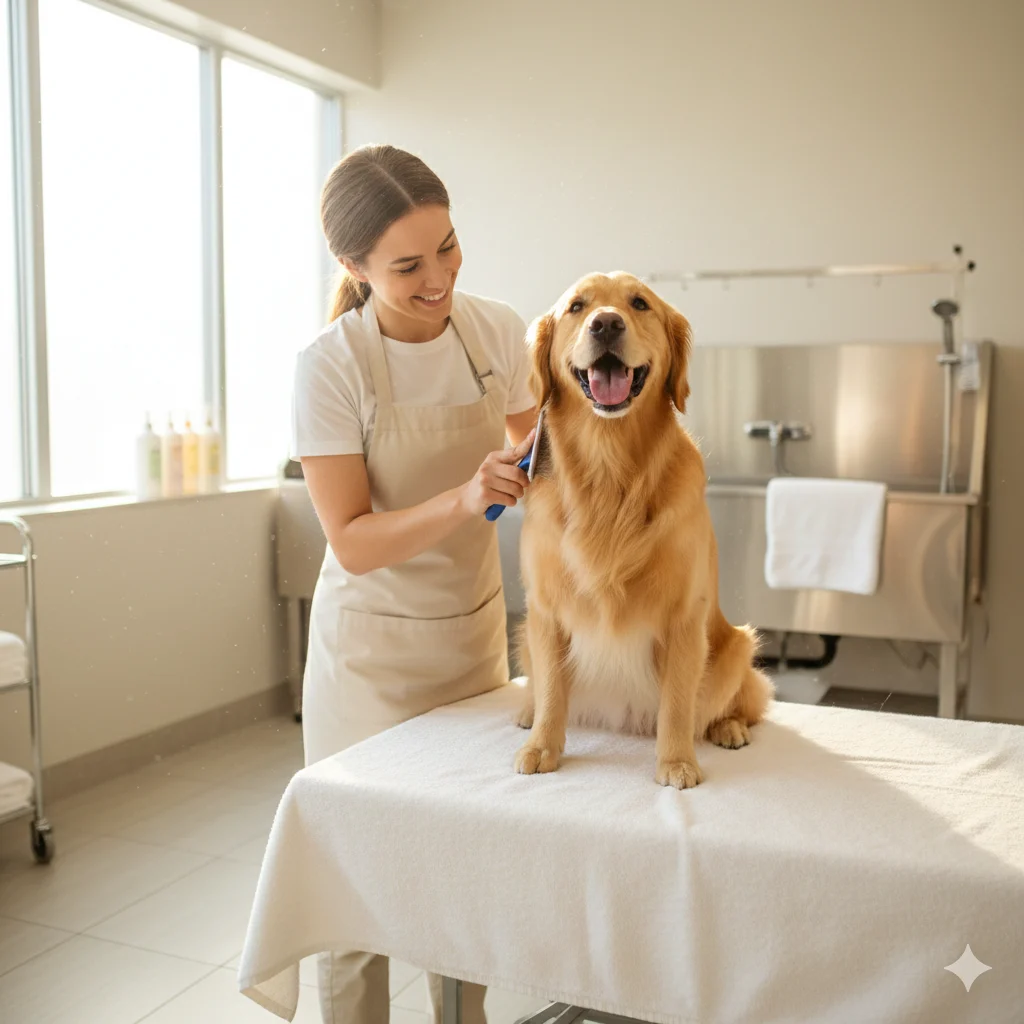
Every dog, regardless of breed or coat type, benefits from regular grooming. At its core, dog grooming involves brushing, bathing, nail trimming, ear cleaning, and dental care. The frequency and methods depend on your dog’s fur length, activity level, and skin sensitivity.
Brushing removes dirt, spreads natural oils, and prevents painful matting. Dogs with long coats may need daily brushing, while short-haired breeds can often get by with weekly sessions. Bathing keeps your dog’s coat fresh but avoid over-washing, as it can dry out their skin.
Also, don’t overlook nails and ears. Long nails can alter your dog’s posture and cause discomfort, while dirty ears can lead to infections. Keeping a consistent grooming schedule helps you monitor your dog’s overall health and detect any abnormalities early.
When you understand the basics, grooming becomes less of a chore and more of a caring routine your dog looks forward to.
Dog Grooming Tools Every Pet Parent Should Own
To achieve salon-quality grooming at home, having the right tools is a game changer. Here are some must-haves for every dog parent:
- Brush or Comb: Choose one suited for your dog’s coat slicker brushes for long hair, rubber curry brushes for short coats.
- Dog Shampoo: Always use a shampoo formulated specifically for dogs. Human shampoos can disrupt their pH balance and cause irritation.
- Nail Clippers or Grinders: Regular trims prevent painful overgrowth and splitting.
- Ear Cleaner & Cotton Pads: Essential for preventing ear infections.
- Dog Dryer or Towels: Proper drying prevents skin issues, especially in thick-coated breeds.
Keep your grooming kit organized and clean. Disinfect tools regularly to prevent bacterial buildup. When used properly, these tools make grooming faster, more effective, and more enjoyable for both you and your pup.
Investing in quality tools may seem minor, but it saves you time, money, and stress in the long run.
Step-by-Step Guide on How to Groom Your Dog at Home
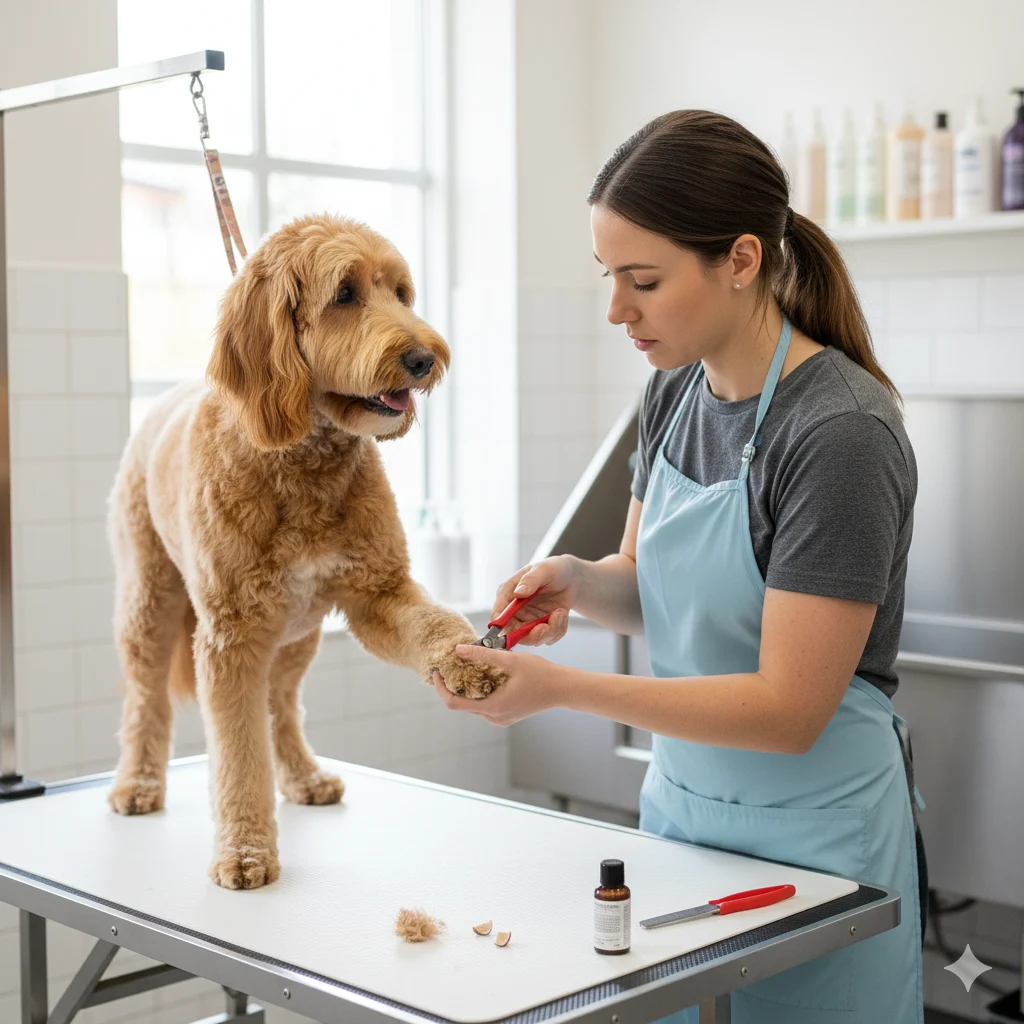
Grooming your dog at home doesn’t have to be intimidating. Follow these simple steps:
- Start with Brushing: Remove tangles and loose hair before bathing. This helps prevent matting and makes shampooing more effective.
- Bath Time: Use lukewarm water and gentle strokes. Massage the shampoo into their coat, avoiding the eyes and ears. Rinse thoroughly and apply conditioner if needed.
- Drying: Towel-dry gently, then use a dog-safe dryer on low heat. Always dry thoroughly, especially around the ears and paws.
- Nail Trimming: Clip small portions at a time to avoid hitting the quick. If you’re unsure, use a grinder for safety.
- Ear & Teeth Cleaning: Wipe ears with a vet-approved solution and brush their teeth regularly with dog-safe toothpaste.
Remember to stay calm and positive your dog can sense your energy. Reward them with treats and praise after each step to build a positive grooming association.
Consistency is key. Over time, your dog will begin to see grooming as just another fun part of their routine.
Common Dog Grooming Mistakes to Avoid
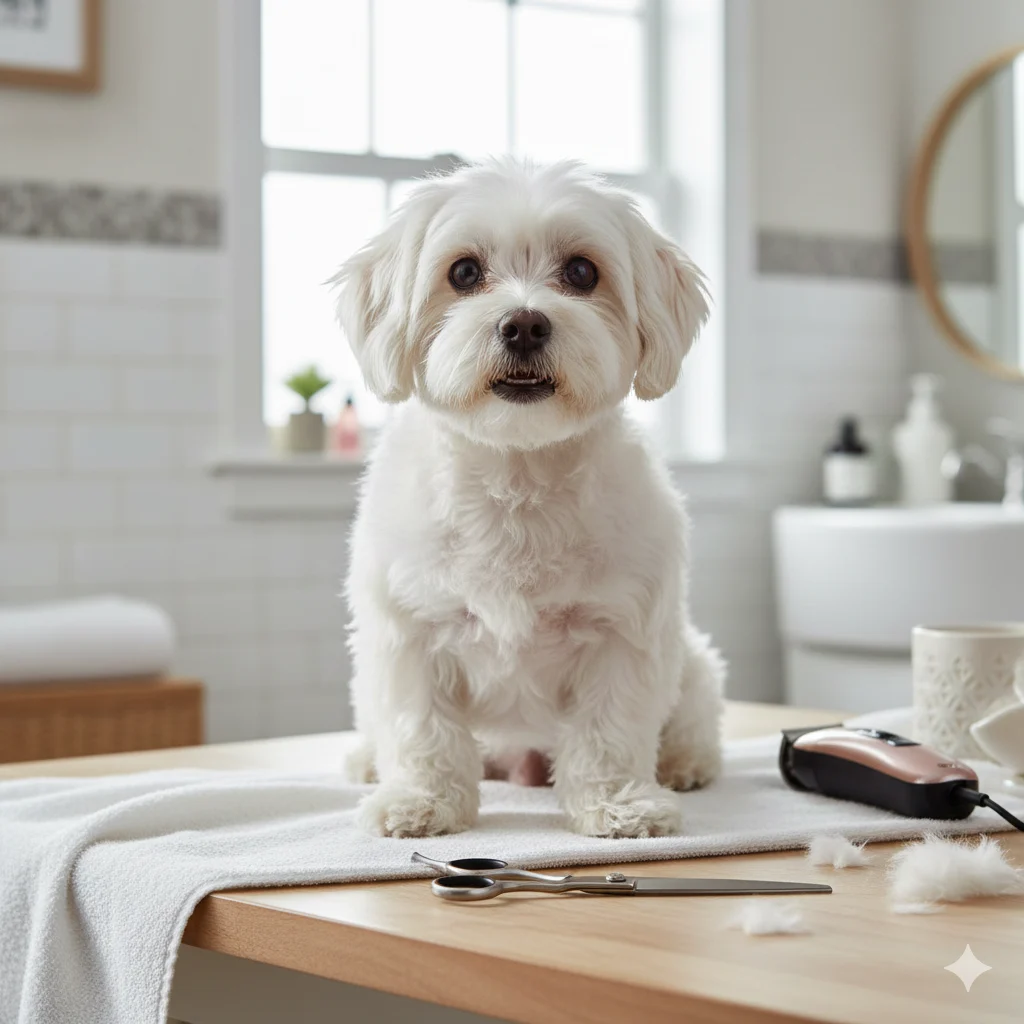
Even with the best intentions, pet parents can make mistakes when grooming. Here are a few to watch out for:
- Using Human Products: Never use human shampoos or conditioners; they can cause irritation and dryness.
- Skipping Regular Grooming: Waiting too long between sessions can cause mats, odors, and even infections.
- Ignoring Paws & Ears: These are often overlooked but crucial for your dog’s health.
- Rushing the Process: Dogs can get anxious when you’re in a hurry. Take your time and make it relaxing.
If your dog becomes stressed or fearful, consider professional help. Groomers have experience handling nervous pets safely and can show you proper techniques.
Avoiding these mistakes ensures a safe, pleasant experience for your dog and keeps their coat healthy and beautiful year-round.
🐕🦺 CONCLUSION
Dog grooming isn’t just about looking good it’s about feeling good too. A clean, well-groomed dog is healthier, happier, and more confident. By following a consistent grooming routine and using the right tools, you’re not only improving your dog’s appearance but also deepening your bond.
At Bark and Care, we believe every grooming session is an opportunity to show love, patience, and care. So, grab your brush, take a deep breath, and enjoy the time spent making your furry friend shine inside and out.
❓ FAQs SECTION
Q1: How often should I groom my dog?
A1: Most dogs need grooming every 4–6 weeks, but it depends on their coat type. Long-haired breeds may need brushing daily and professional grooming more often.
Q2: Can I use baby shampoo for dog grooming?
A2: It’s best to avoid it. Dog shampoos are pH-balanced for canine skin, while baby shampoos can dry out their coat and cause irritation.
Q3: What is the best brush for dog grooming?
A3: Slicker brushes work well for long-haired dogs, while short-haired breeds benefit from rubber or bristle brushes. Always match the brush to your dog’s coat.
Q4: How do I calm my dog during grooming?
A4: Stay calm, use gentle tones, and reward good behavior with treats. Gradual desensitization helps anxious dogs feel more comfortable over time.
Q5: Is professional dog grooming necessary?
A5: Professional grooming is beneficial, especially for complex coat types. Experts can safely handle tasks like trimming, ear cleaning, and coat styling.