Every dog owner dreams of those peaceful, tail-wagging walks where your furry friend strolls happily by your side, not dragging you down the street or lunging at every passing squirrel. But in reality, leash pulling is one of the most common struggles pet parents face. That’s where proper dog leash training comes in.
Leash training isn’t just about control it’s about communication, trust, and safety. Whether you’re teaching a playful puppy or an adult dog with bad habits, mastering leash manners can make daily walks more enjoyable for both of you.
In this article, we’ll break down everything you need to know about dog leash training from getting started with the right equipment to step-by-step techniques and expert tips for lasting success. Let’s turn every walk into a positive experience that strengthens your bond with your best friend.
Understanding the Basics of Dog Leash Training
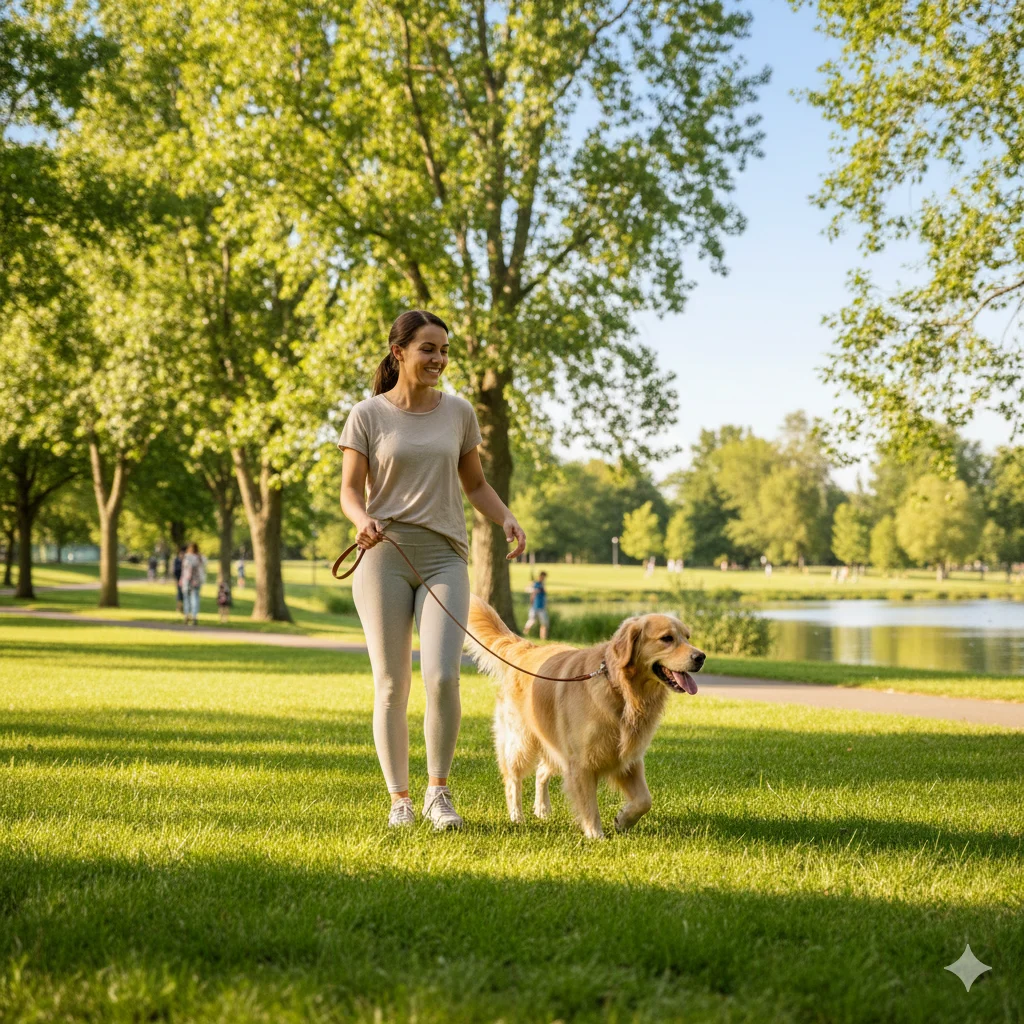
Before jumping into commands and corrections, it’s important to understand the why behind dog leash training. Dogs are naturally curious explorers every scent, sound, and sight excites them. Without proper guidance, that curiosity can easily turn into pulling or lunging behavior.
The goal of leash training is to teach your dog that staying close to you brings rewards. This builds trust and ensures your dog’s safety during walks. It also strengthens your bond and gives your dog mental stimulation which is just as important as physical exercise.
Start with short, positive sessions. Use treats, gentle encouragement, and consistency. Never punish your dog for pulling; instead, reward them for calm behavior. Remember, the leash isn’t just a tool it’s a connection between you and your companion.
Choosing the Right Equipment for Leash Training
Before starting your dog leash training journey, it’s essential to choose equipment that supports comfort and control. Here’s what you need to know:
1. Leash Type:
A 4–6-foot leash gives you enough control without restricting movement. Avoid retractable leashes during training they encourage pulling and reduce communication.
2. Collar or Harness:
For most dogs, a front-clip harness works best. It prevents pulling and provides better guidance. For small or sensitive dogs, use a padded harness to avoid neck strain.
3. Training Treats:
High-value treats (like soft, bite-sized pieces of chicken or cheese) keep your dog motivated and focused during walks.
4. Clicker (Optional):
A clicker helps reinforce good behavior by creating a clear sound cue for rewards.
Investing in the right gear ensures your dog stays safe, comfortable, and eager to learn turning your walks into enjoyable bonding time instead of tug-of-war battles.
Step-by-Step Dog Leash Training Techniques
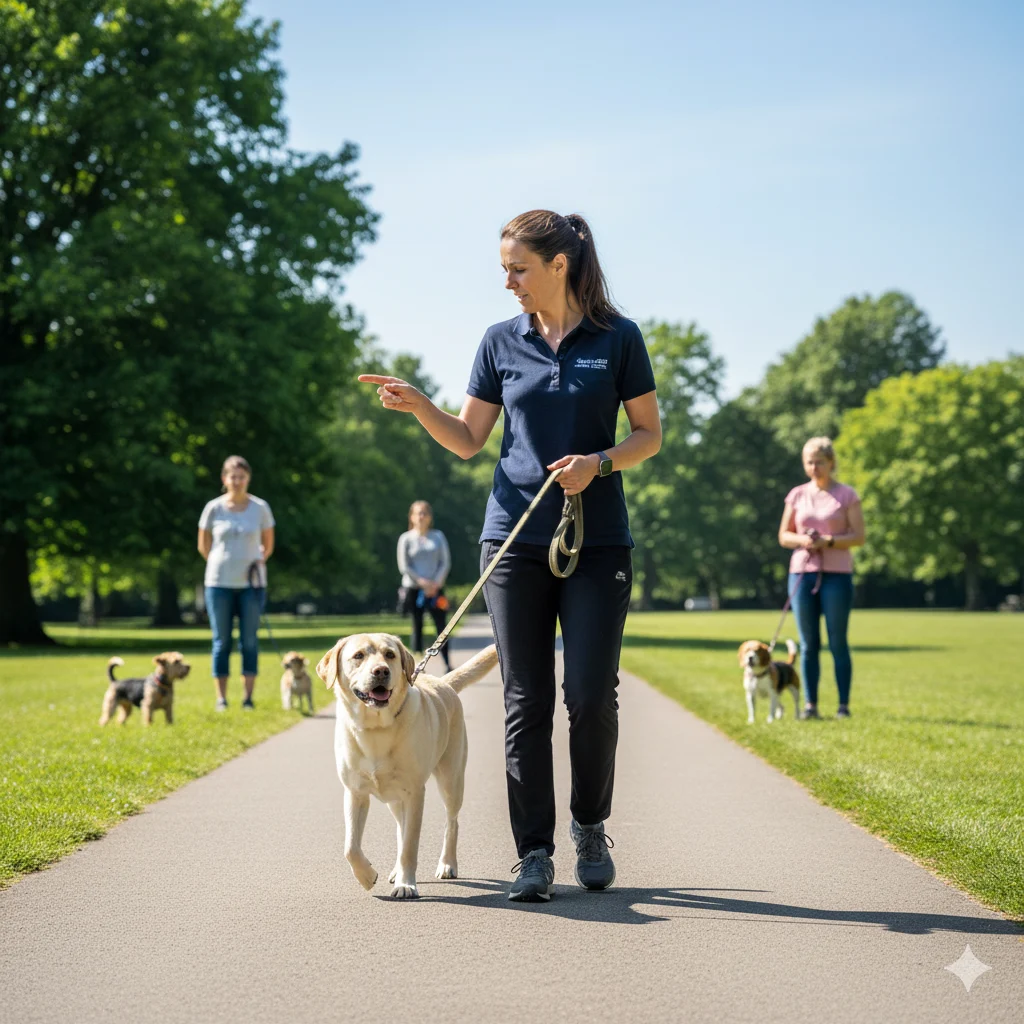
Now that you’re equipped, let’s dive into effective dog leash training steps you can start today:
Step 1: Introduce the Leash Indoors
Before hitting the streets, let your dog get used to wearing their collar or harness inside. Attach the leash and allow them to walk around freely while rewarding calm behavior. This helps them associate the leash with positive experiences.
Step 2: Teach “Come” and “Sit” Commands
Good leash behavior starts with basic obedience. Practice commands like sit, stay, and come indoors with treats and praise. These commands will later help manage your dog’s excitement outdoors.
Step 3: Start Short, Controlled Walks
Begin in a quiet environment like your backyard or driveway. Keep the leash loose, and reward your dog for staying beside you. If they pull, stop walking and wait until the leash relaxes before moving forward. Consistency teaches your dog that pulling gets them nowhere, but calm walking earns progress.
Step 4: Use Positive Reinforcement
Reward your dog frequently at first, then gradually reduce treats as good behavior becomes routine. Praise works wonders too dogs love your happy tone as much as they love treats.
Step 5: Practice Around Distractions
Once your dog walks nicely on a loose leash in calm settings, introduce new environments like parks or sidewalks. Distractions are great tests of focus. Keep sessions short and end on a positive note.
Remember: dog leash training takes time, but progress builds day by day. Stay calm, patient, and consistent your pup will thank you with every wag and smile.
Common Leash Training Mistakes (and How to Avoid Them)

Even with the best intentions, many dog owners unintentionally reinforce bad leash behavior. Avoiding these common dog leash training mistakes can make all the difference:
1. Pulling Back When the Dog Pulls:
Tugging back creates resistance and turns the walk into a power struggle. Instead, stop moving and wait for slack in the leash before proceeding.
2. Inconsistent Rules:
If you let your dog pull sometimes but not others, they’ll get confused. Set clear, consistent expectations every time.
3. Skipping Mental Exercise:
Leash manners improve when dogs are mentally stimulated. Combine physical walks with training games or scent work.
4. Training Too Long:
Dogs, especially puppies, have short attention spans. Keep sessions brief (10–15 minutes) and positive.
5. Losing Patience:
Frustration can undo progress. Stay calm dogs sense your emotions. Celebrate small wins to keep motivation high.
Correcting these habits helps your dog learn faster and ensures your daily walks become calm, confident, and fun again.
CONCLUSION
Dog leash training is one of the most rewarding parts of being a pet parent. It transforms stressful walks into moments of joy, strengthens your bond, and ensures your dog’s safety and confidence in the world.
Remember progress may take time, but every step counts. Be patient, stay positive, and trust the process. With consistent effort, you’ll soon enjoy peaceful strolls side by side a true reflection of teamwork, trust, and love.
❓ FAQs SECTION
Q1: How long does dog leash training take?
A1: It depends on your dog’s age and temperament. Most dogs show noticeable improvement within 2–6 weeks with consistent practice and positive reinforcement.
Q2: What’s the best leash length for dog leash training?
A2: A 4–6-foot leash is ideal for maintaining control while giving your dog enough room to explore safely.
Q3: Should I use a harness or collar for leash training?
A3: A front-clip harness is usually best for dog leash training, especially for dogs that tend to pull. It provides better control and prevents neck strain.
Q4: How can I stop my dog from pulling on the leash?
A4: Stop walking as soon as your dog pulls. Wait until they relax, then move forward again. Reward them for walking calmly beside you.
Q5: Is professional dog leash training worth it?
A5: Yes! Certified trainers can assess your dog’s unique behavior and offer tailored techniques. It’s a great investment for long-term success and safer walks.