Bringing home a puppy is one of life’s purest joys but figuring out how to feed a puppy properly can feel overwhelming for new pet parents. Between choosing the right food, setting feeding times, and ensuring balanced nutrition, many owners find themselves second-guessing every bowl of kibble.
Proper feeding during your puppy’s early months lays the foundation for lifelong health. It impacts everything from bone strength and muscle growth to coat shine and immune resilience. The key is understanding what, when, and how much your puppy really needs.
In this guide from Bark and Care, we’ll walk you through every step of feeding your puppy the right way. From portion control to choosing between wet and dry food, you’ll learn expert-backed, practical advice to make every meal a healthy one.
Understanding Puppy Nutrition Basics
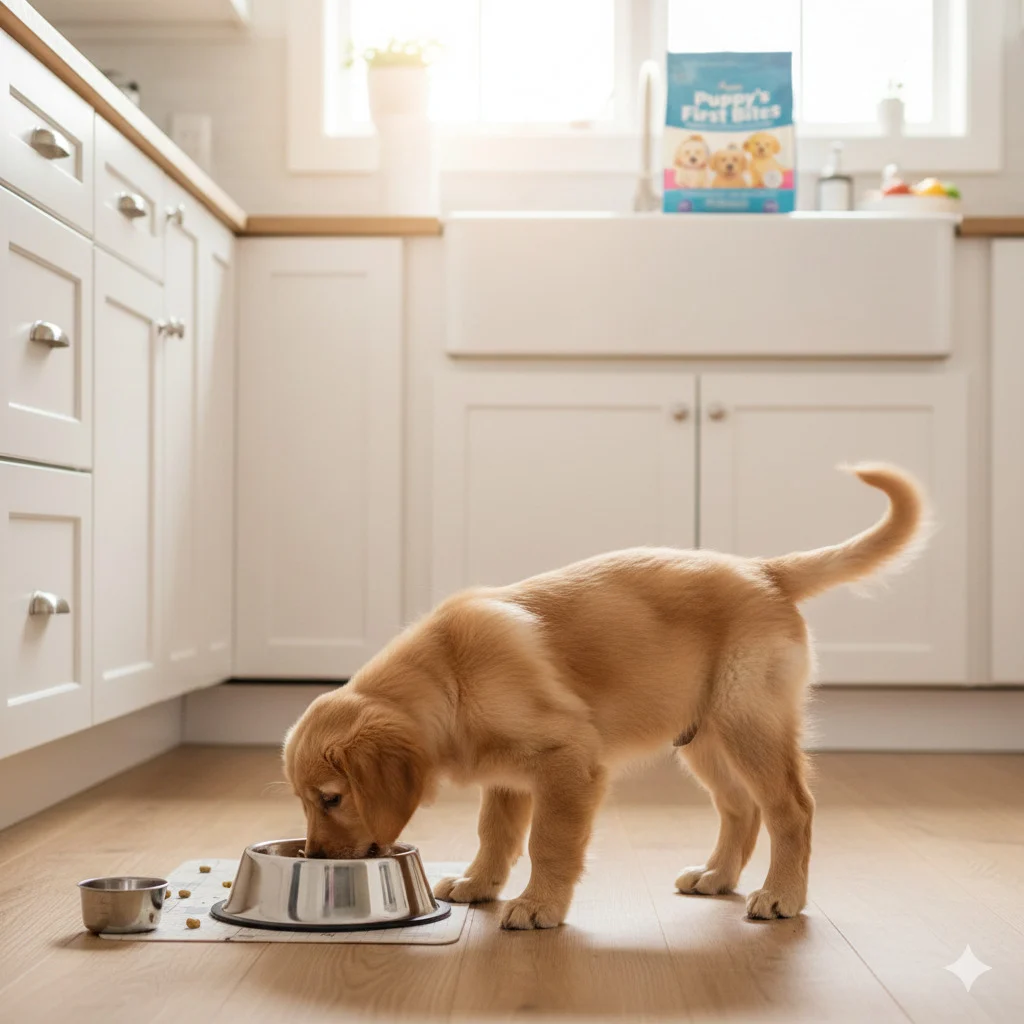
Feeding a puppy isn’t just about filling a bowl it’s about fueling growth. Puppies grow fast, and their nutritional needs differ significantly from adult dogs.
Puppies require a diet rich in high-quality protein for muscle development, fat for energy and brain growth, and calcium for strong bones and teeth. You’ll also want to ensure your chosen puppy food includes essential nutrients like DHA (for brain development), omega fatty acids (for coat health), and balanced vitamins and minerals.
When selecting commercial puppy food, look for labels that say “Complete and Balanced Nutrition for Growth” as approved by AAFCO or similar regulatory standards. Avoid generic brands or all-life-stage formulas that might not meet a puppy’s specific needs.
Puppyhood nutrition sets the stage for adulthood. When in doubt, consult your vet about the best formula for your puppy’s breed size, as small and large breeds have different growth rates and caloric requirements.
How Much and How Often to Feed Your Puppy
One of the most common questions new pet parents ask is, “How much should I feed my puppy?” The answer depends on your puppy’s age, breed, size, and activity level.
Most puppies under 3 months old need four small meals a day. From 3–6 months, you can reduce it to three meals daily. Once they reach 6 months, most pups can thrive on two meals per day.
Use your puppy food’s feeding guide as a baseline but adjust based on your pup’s weight and energy. You should be able to feel your puppy’s ribs but not see them this is a quick visual test for healthy body condition.
Avoid overfeeding; excess calories lead to obesity and joint stress, especially in large breeds. Puppies grow quickly, and growth spurts can change appetite levels weekly, so monitor and adjust portions regularly.
Remember, consistency is everything. Feeding your puppy at the same times each day helps regulate digestion and build healthy mealtime habits.
Choosing the Right Puppy Food
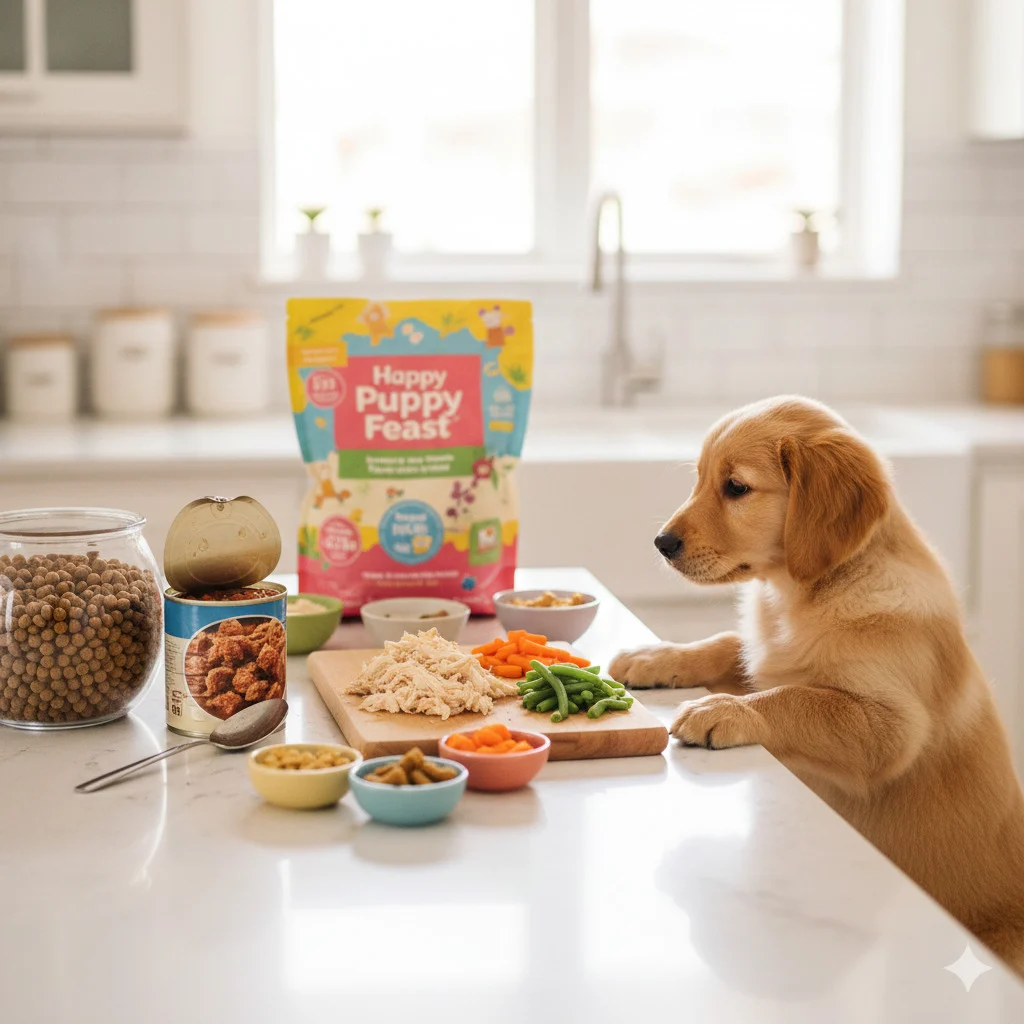
When learning how to feed a puppy properly, the next big decision is what kind of food to choose. Each option dry, wet, or raw has its pros and cons.
Dry kibble is convenient, cost-effective, and good for dental health, but make sure it’s specifically formulated for puppies. Wet food offers higher moisture and palatability great for picky eaters but it’s more expensive and less shelf-stable. Some owners even choose fresh or homemade meals, but these must be carefully balanced under veterinary guidance to prevent nutrient deficiencies.
The best approach? A mix of both wet and dry can offer variety and balanced nutrition. Always introduce new food gradually over 5–7 days to prevent stomach upset.
Look for ingredients like chicken, lamb, or salmon as the first item, and avoid fillers like corn, soy, or artificial preservatives. Whole, real ingredients are the key to raising a thriving, happy pup.
Common Feeding Mistakes to Avoid

Even the most loving pet owners can make simple feeding mistakes without realizing it. Here are a few to watch out for:
1. Feeding table scraps: Human food can upset your puppy’s digestive system and teach begging habits. Many foods (like chocolate, grapes, and onions) are toxic to dogs.
2. Free-feeding: Leaving food out all day encourages overeating and inconsistent potty training. Scheduled feeding is far healthier.
3. Skipping water: Puppies need fresh water available 24/7. Hydration is just as crucial as nutrition.
4. Ignoring portion adjustments: Puppies grow rapidly, and what was enough last month might not be today. Reassess meal sizes regularly.
5. Ignoring food quality: Always check expiration dates and store food in airtight containers to maintain freshness and prevent mold.
By avoiding these pitfalls, you’ll ensure your puppy develops strong eating habits that support lifelong wellness.
CONCLUSION:
Feeding your puppy properly is one of the most loving things you can do. When you understand your dog’s nutritional needs, portion sizes, and meal routines, you’re setting them up for a lifetime of health and happiness.
Every meal is more than food it’s an act of care, connection, and trust. So, take the time to learn how to feed your puppy properly, and you’ll see your furry friend grow into a strong, joyful companion.
At Bark and Care, we believe that healthy puppies become happy dogs and happy dogs make happy homes.
❓ FAQs SECTION:
Q1: How often should I feed my puppy properly?
A1: Puppies under 3 months should eat four times daily, then three meals until 6 months, and twice daily afterward. Consistency helps with digestion and training.
Q2: What is the best food to feed my puppy properly?
A2: Choose a balanced, vet-approved puppy food with high-quality protein and no artificial fillers. Look for the AAFCO label for complete nutrition.
Q3: Can I give homemade food when learning how to feed a puppy properly?
A3: Yes, but only under vet supervision. Homemade diets must include the right proportions of protein, fat, calcium, and vitamins to meet a puppy’s needs.
Q4: Should I feed wet or dry food to my puppy?
A4: Both are great options. Dry food supports dental health, while wet food adds moisture and flavor. Mixing both can offer the best of both worlds.
Q5: How can I tell if I’m overfeeding my puppy?
A5: Check your puppy’s body shape you should feel the ribs but not see them. Rapid weight gain or loss is a sign to adjust feeding portions.