Does your dog’s nonstop barking make it hard to enjoy a quiet evening or keep the neighbors happy? You’re not alone. Many pet parents struggle with finding ways to stop dog barking without damaging their bond with their furry friend.
Barking is your dog’s way of communicatingbut excessive barking can signal stress, boredom, fear, or a lack of proper training. The good news? With the right approach, patience, and consistent training, you can calm your dog and restore peace in your home.
In this article, we’ll explore why dogs bark, how to identify the cause, and proven methods to stop unnecessary barking humanely. By the end, you’ll have the tools and confidence to create a happier, quieter environment for both you and your pup.
Let’s dive into practical, positive ways to teach your dog when it’s time to bark and when it’s time to relax.
Understanding Why Dogs Bark
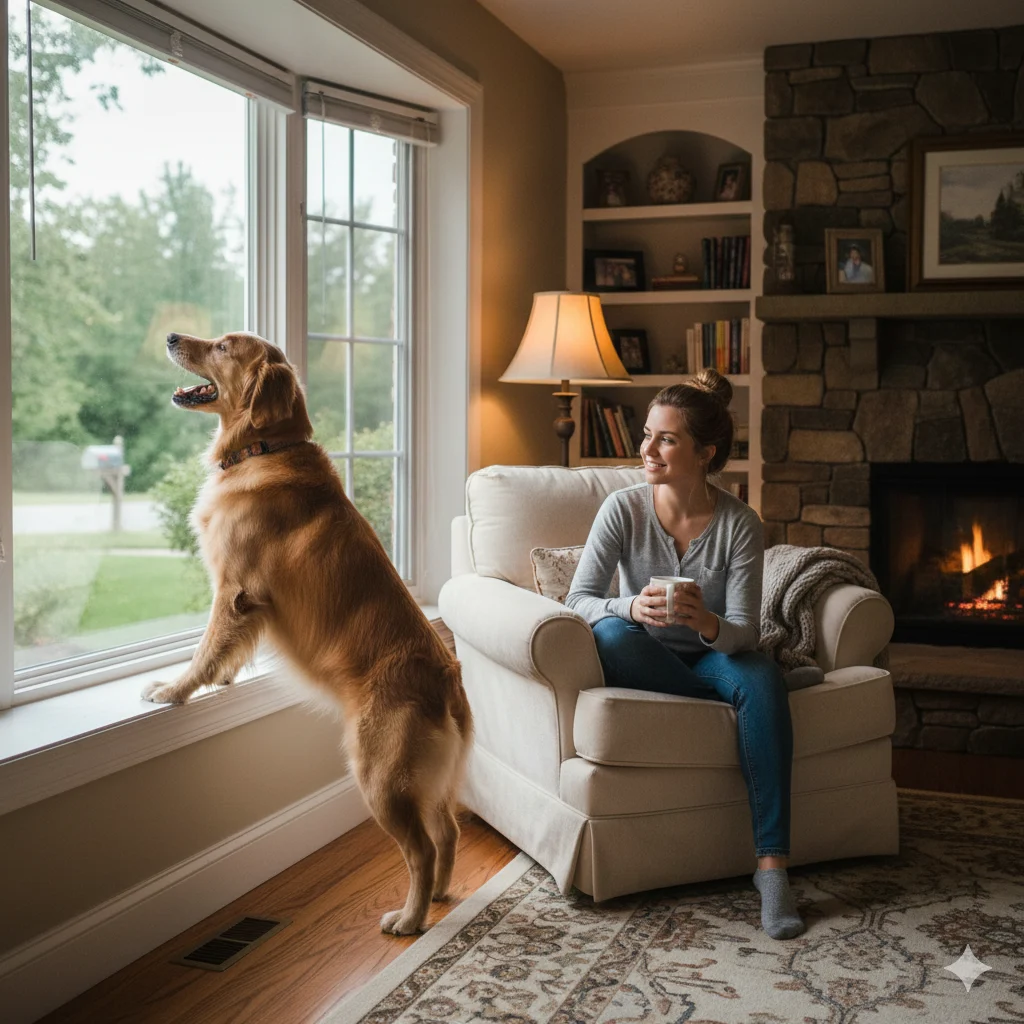
Before you can stop dog barking, you need to understand why it happens. Dogs bark for many reasons communication, excitement, anxiety, or even just habit. Recognizing the root cause is the first step toward addressing the behavior effectively.
Common Reasons Dogs Bark:
- Territorial barking Protecting their space from strangers or animals.
- Attention-seeking barking Wanting food, playtime, or affection.
- Fear or anxiety barking Triggered by loud noises, separation, or unfamiliar settings.
- Boredom barking A lack of physical or mental stimulation.
When you understand the motivation behind the barking, you can tailor your response. For instance, a fearful bark needs reassurance and desensitization, not punishment.
Positive Training Methods to Stop Dog Barking
Positive reinforcement is the most effective, humane way to stop dog barking. Dogs learn faster when they’re rewarded for good behavior rather than scolded for bad ones.
Try These Training Techniques:
- Teach the “Quiet” Command:
Wait for your dog to bark, then calmly say “quiet.” When they stop barking even for a second reward with a treat or praise. Over time, they’ll associate silence with rewards. - Ignore Attention Barking:
If your dog barks to get your attention, avoid responding until they stop. Reward calm behavior instead. - Provide Plenty of Exercise:
A tired dog is a quiet dog. Ensure your pup gets at least 30–60 minutes of physical activity daily, depending on breed and energy level. - Mental Stimulation:
Use puzzle toys, sniffing games, or short obedience sessions to keep their brain busy and reduce boredom barking.
Training takes consistency. Don’t expect overnight results dogs learn through repetition, patience, and positivity.
Managing Triggers and the Environment
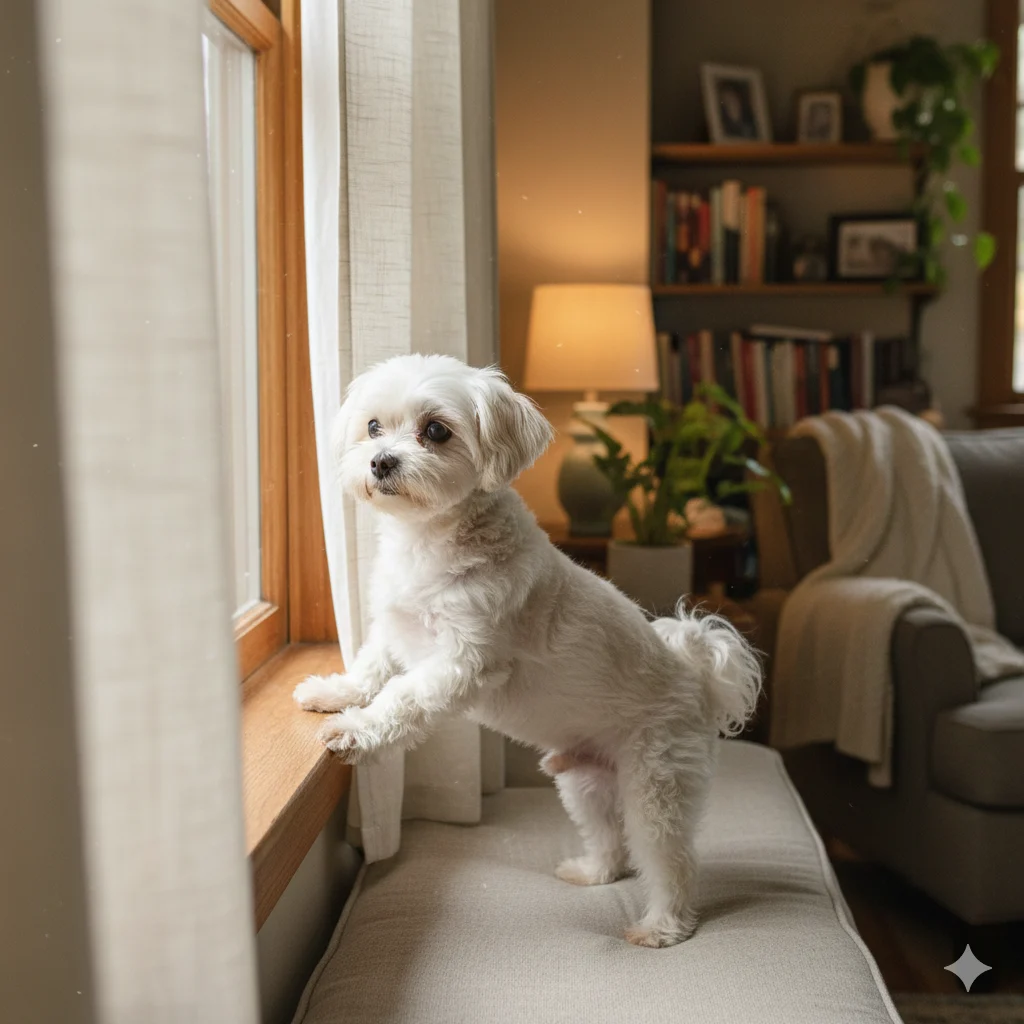
Sometimes, the key to stopping dog barking isn’t more training it’s less exposure to triggers.
Ways to Manage Triggers:
- Close Curtains or Windows:
If your dog barks at passersby, block their view. - Play Soothing Sounds:
White noise or soft music can mask external noises that trigger barking. - Create a Safe Space:
Give your dog a calm, comfortable area where they feel secure when you’re away. - Socialization:
Expose your dog gradually to new people, pets, and environments to reduce fear-based barking.
Environmental management is especially important for dogs with anxiety. Reducing visual and auditory stimuli helps them feel less reactive.
Common Mistakes to Avoid When Trying to Stop Dog Barking
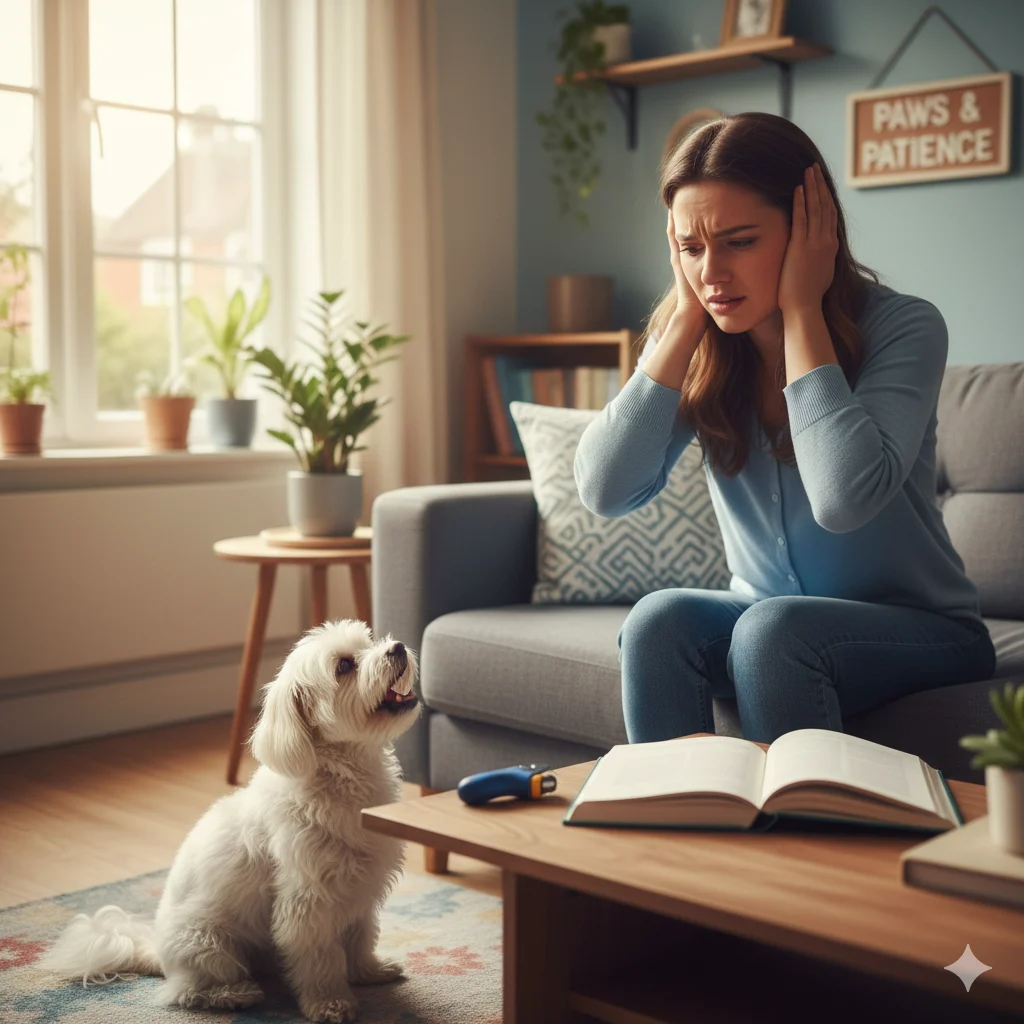
Even well-meaning dog owners can make mistakes that worsen barking behavior. Avoiding these errors will make your training journey smoother.
Common Mistakes:
- Yelling or Punishing:
This only increases anxiety and confusion. Dogs may think you’re barking with them. - Inconsistency:
Everyone in the household must respond the same way. Mixed signals confuse dogs. - Ignoring Underlying Issues:
Barking can be a symptom of deeper problems like separation anxiety or health issues. - Expecting Instant Results:
Behavioral change takes time celebrate small wins along the way.
Remember: barking is communication. Instead of silencing your dog, teach them when it’s okay to speak and when to be calm.
🐕🦺 CONCLUSION
Excessive barking doesn’t mean your dog is “bad”it means they’re trying to tell you something. By understanding their triggers, using positive training, and adjusting the environment, you can stop dog barking while strengthening your bond.
Patience, consistency, and kindness go a long way. Every quiet moment you earn through training is a step toward a happier, more peaceful life with your loyal companion.
At barkandcare.com, we believe every bark can turn into a moment of learning and love. 🐶❤️
❓ FAQs SECTION
Q1: How can I stop my dog from barking at strangers?
A1: Gradually expose your dog to strangers in a calm environment. Use treats to reward quiet behavior and make positive associations with new people.
Q2: Why does my dog bark when I leave the house?
A2: That’s often a sign of separation anxiety. Try crate training, desensitization, or leaving calming toys when you’re away.
Q3: Can training collars help stop dog barking?
A3: Avoid shock collars—they can cause fear and aggression. Opt for positive training methods instead, or use vibration collars with professional guidance.
Q4: How long does it take to stop dog barking?
A4: Every dog is different. With daily consistency and positive reinforcement, most dogs show improvement within 2–4 weeks.
Q5: Is it normal for puppies to bark a lot?
A5: Yes, puppies bark more as they learn and explore. Training, exercise, and socialization will help manage it over time.