Quick Note
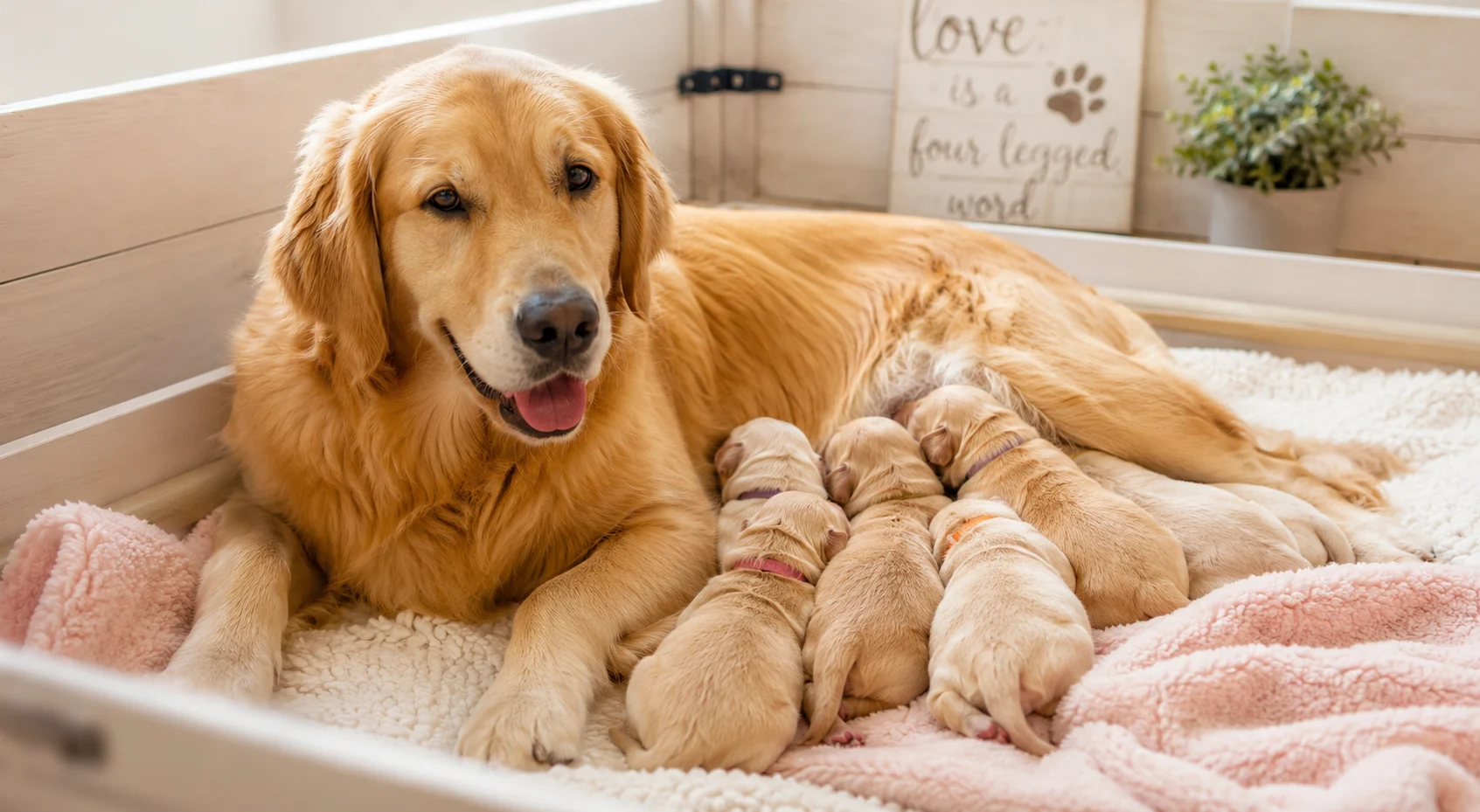
The first few weeks after birth play a huge role in a puppy’s health and survival. If you want to know how to take care of puppies after birth, start by keeping them warm, making sure they nurse properly, and checking them daily for weakness or dehydration. Keep the mother calm, clean the whelping area often, and contact a vet quickly if a puppy stops feeding, cries constantly, or feels cold.
Introduction
Bringing newborn puppies into the world feels exciting, emotional, and sometimes stressful. Many new dog owners worry about doing something wrong during those first days. Puppies look tiny, fragile, and completely dependent on their mother. Even small mistakes with warmth, feeding, or hygiene can lead to serious problems very quickly.
Learning how to take care of puppies after birth helps you protect their health, support proper growth, and reduce the risk of emergencies. Newborn puppies cannot control their body temperature, go to the bathroom alone, or eat without help. They need constant care, especially during the first two to three weeks.
Some puppies struggle to nurse. Others cry nonstop, lose weight, or become weak overnight. First-time dog owners also often feel confused about feeding schedules, cleaning routines, and when to call a vet. On top of that, the mother dog may feel tired, protective, or stressed after delivery.
This guide covers everything you need to know about newborn puppy care, including feeding, warmth, sleeping arrangements, cleaning, daily routines, warning signs, common mistakes, supplies, and when professional help matters most.
What Newborn Puppies Need Immediately After Birth
Newborn puppies need four basic things right away:
- Warmth
- Mother’s milk
- A clean environment
- Constant monitoring
Healthy puppies usually crawl toward their mother and begin nursing within the first few hours. The mother dog also licks them to help with breathing and bathroom movements.
If the mother ignores a puppy or the puppy struggles to nurse, you may need to step in quickly.
Make Sure Puppies Stay warm.
Newborn puppies cannot regulate body temperature. Cold puppies stop nursing and become weak very fast.
Keep the whelping area warm and draft-free.
Here is a simple temperature guide:
| Puppy Age | Recommended Area Temperature |
|---|---|
| First week | 85°F to 90°F |
| Second week | 80°F to 85°F |
| Third week | 75°F to 80°F |
| Fourth week | Around 70°F to 75°F |
Use safe heating methods like the following:
- Heating pads under part of the bedding
- Heat lamps placed safely above the area
- Warm blankets
- Puppy-safe heating discs
Puppies should always have room to wriggle away from heat if they get too hot.
Help Puppies Start Nursing
The mother’s first milk, called colostrum, contains important nutrients and immune support. Puppies should nurse as soon as possible after birth.
Watch for these signs of healthy nursing:
- Puppies sleep quietly after feeding.
- Round, full bellies
- Steady weight gain
- Strong sucking behavior
Weak puppies may need help reaching a nipple.
Supplies You Need for Newborn Puppy Care
Having the right supplies makes puppy care much easier.
| Supply | Why It Helps |
|---|---|
| Clean soft blankets | Keeps puppies warm and comfortable |
| Digital kitchen scale | Tracks daily puppy weight |
| Heating pad | Helps maintain safe warmth |
| Puppy milk replacer | Helps if Mother cannot feed enough. |
| Feeding bottles or syringes | Supports hand feeding if needed |
| Puppy-safe disinfectant | Keeps area clean |
| Whelping box | Creates a secure resting area |
| Soft towels | Helps dry and clean puppies |
| Thermometer | Monitors room temperature. |
| Gloves | Helps with hygiene during handling |
How to Create a Safe Whelping Area
A quiet, clean, and safe environment reduces stress for both the mother and puppies.
Choose a low-traffic room away from loud noise, children, and other pets. The mother dog needs privacy and comfort during recovery.
What the Whelping Box Should Include
The box should:
- Be large enough for the mother to stretch comfortably.
- Prevent puppies from wandering away
- Have soft washable bedding
- Stay dry and warm
- Include low sides for easy access
Change dirty bedding quickly to reduce bacteria and odor buildup.
Keep the area clean.
Newborn puppies have weak immune systems. Dirty bedding can lead to infections.
Clean the area daily by:
- Replacing wet blankets
- Removing waste quickly
- Washing hands before handling puppies
- Keeping food and water bowls clean
Avoid strong chemical cleaners near puppies.
Feeding Newborn Puppies the Right Way
Proper feeding matters more than almost anything else during the newborn stage.
Most healthy puppies nurse every two hours during the first week.
Signs Puppies Are Feeding Properly
Healthy feeding signs include:
- Quiet sleeping after meals
- Consistent weight gain
- Warm bodies
- Strong movement
Weigh puppies daily using a kitchen scale. Small daily gains help confirm proper nutrition.
What to Do If a Puppy Cannot Nurse
Some puppies struggle because of weakness, competition from littermates, or low milk supply.
You may need to:
- Guide the puppy toward a nipple.
- Separate stronger puppies briefly
- Bottle-feed puppy milk replacer
- Ask a vet about tube feeding if weakness continues
Never feed cow’s milk to newborn puppies. It can upset digestion and fail to provide proper nutrition.
Bottle Feeding Tips
If hand feeding becomes necessary:
- Use puppy milk replacer only
- Feed puppies belly down, not on their backs
- Keep feeding equipment clean
- Feed small amounts slowly
- Burp puppies gently afterward.
Overfeeding can cause stomach problems or aspiration risks.
Daily Puppy Care Routine
A consistent daily routine helps puppies stay healthy.
Daily Checklist
Every day, you should:
- Check body warmth
- Watch nursing sessions
- Weigh each puppy
- Replace dirty bedding
- Monitor the mother’s behavior
- Check for dehydration or weakness
Healthy puppies spend most of their time sleeping and eating.
How Often to Handle Puppies
Gentle handling helps puppies become comfortable with humans later in life.
Keep handling short during the first days. Always support the body carefully and return puppies quickly to warmth.
Avoid excessive handling if:
- Puppies feel cold.
- The mother becomes stressed.
- Puppies recently fed
- A puppy appears weak.
How Puppies Develop Week by Week
Understanding normal puppy development helps you spot problems early.
| Puppy Age | Common Development Changes |
|---|---|
| 0 to 1 week | Sleeping and nursing constantly |
| 1 to 2 weeks | Eyes begin opening. |
| 2 to 3 weeks | More movement and crawling |
| 3 to 4 weeks | Teeth start appearing. |
| 4 to 5 weeks | Interest in soft food begins. |
| 5 to 6 weeks | More play and social behavior |
Not all puppies develop at exactly the same speed.
Helping Puppies Go to the Bathroom
Newborn puppies cannot urinate or poop on their own during the first few weeks.
The mother usually stimulates bathroom movements by licking them.
What to Do If the Mother Does Not Help
If the mother ignores this task, you must help after every feeding.
Use:
- A warm damp cotton ball
- A soft cloth
- Gentle circular rubbing near the genital area
Never rub too hard.
Signs of constipation include:
- Hard belly
- Crying
- Straining
- No bowel movement
Call a vet if problems continue.
What to Do at Night
Nighttime care often feels hardest for new puppy owners.
Newborn puppies may need monitoring through the night, especially during the first week.
Night Routine Tips
Before sleeping:
- Check room temperature
- Confirm all puppies nursed
- Replace wet bedding
- Watch for weak puppies
- Refill the mother’s water bowl
If hand feeding puppies, set alarms for feeding times.
Caring for the Mother Dog After Birth
The mother dog also needs support after delivery.
She may feel tired, protective, hungry, or restless during the first few days.
Support the Mother’s Recovery
Help the mother by:
- Providing fresh water constantly
- Feeding high-quality puppy food
- Allowing quiet rest
- Keeping stress low
- Monitoring for illness signs
Nursing mothers need extra calories and hydration.
Warning Signs in the Mother Dog
Call a vet if the mother shows:
- Fever
- Refusing food
- Aggression toward puppies
- Bad-smelling discharge
- Extreme weakness
- Hard swollen mammary glands
- Heavy bleeding
Common Problems With Newborn Puppies
Even healthy litters sometimes face problems.
Quick action often makes a major difference.
Weak Puppy Syndrome
Some puppies suddenly stop nursing and become weak.
Warning signs include:
- Constant crying
- Cold body
- Poor movement
- Weight loss
- Refusing milk
This situation needs fast veterinary attention.
Dehydration
Puppies can dehydrate very quickly.
Signs include:
- Dry mouth
- Weakness
- Less movement
- Wrinkled skin
Never try random home remedies without veterinary advice.
Choking or Aspiration During Feeding
Bottle-fed puppies face aspiration risks if milk enters the lungs.
To reduce risk:
- Feed slowly
- Keep puppies belly down
- Use proper bottle nipples
- Avoid squeezing bottles forcefully.
Puppy Care Do’s and Don’ts
| Do | Don’t |
|---|---|
| Keep puppies warm. | Let puppies become chilled. |
| Weigh puppies daily. | Ignore sudden weight loss. |
| Use puppy milk replacer. | Feed cow milk. |
| Clean bedding often | Leave wet bedding overnight. |
| Handle puppies gently. | Allow rough handling |
| Contact a vet for warning signs. | Wait too long during emergencies |
| Keep the mother calm. | Allow constant loud disturbances |
Common Mistakes to Avoid
Many new owners accidentally create problems during newborn puppy care.
Keeping Puppies Too Cold
Cold stress causes feeding problems and weakness very fast.
Always monitor warmth carefully.
Overhandling Puppies
Too much handling can stress both puppies and the mother during the early days.
Ignoring Weight Checks
Daily weight tracking helps you catch health problems early.
Even small puppies should show steady growth.
Feeding Incorrect Milk
Improper milk can lead to diarrhea, dehydration, and poor nutrition.
Always use puppy-specific formula when supplementation becomes necessary.
Troubleshooting Guide for Newborn Puppy Care
| Problem | Likely Reason | What to Do |
|---|---|---|
| The puppy cries constantly. | Hunger, cold, illness | Check warmth and feeding immediately. |
| The puppy is not gaining weight. | Poor nursing | Supplement feeding and call a vet. |
| The puppy feels cold. | Unsafe room temperature | Warm slowly using safe heat. |
| Mother rejects puppy. | Weakness or stress | Separate briefly and monitor closely. |
| Diarrhea in puppies | Feeding issue or infection | Contact a vet quickly. |
| The puppy was bloated after feeding. | Overfeeding | Feed smaller amounts slowly. |
| Puppies are restless at night. | Hunger or discomfort | Check the feeding schedule and warmth. |
When to Call a Vet Immediately
Some situations require urgent veterinary care.
Do not wait if you notice the following:
- Puppies refusing milk
- Trouble breathing
- Blue gums
- Severe diarrhea
- Continuous crying
- Sudden weakness
- Bloody discharge
- Seizures
- Extreme dehydration
- Mother refusing all puppies
This article does not replace professional veterinary care. Newborn puppies can become critically ill very quickly.
Safe Socialization During Early Puppy Life
Socialization starts early, but safety matters most.
Very young puppies should avoid unsafe exposure before vaccines and veterinary guidance.
Safe Early Experiences
You can safely introduce the following:
- Gentle human handling
- Soft household sounds
- Calm environments
- Different textures
Avoid:
- Crowded public dog areas
- Unknown dogs
- Forced interactions
- Loud stressful situations
Ask your vet when outdoor exposure becomes safer based on vaccine progress.
Transitioning Puppies to Solid Food
Most puppies begin showing interest in soft food around 4 weeks old.
How to Start Weaning
Begin with:
- Soft puppy food mixed with warm water
- Small shallow dishes
- Short feeding sessions
Keep nursing available during the transition.
Gradually reduce liquid as puppies grow stronger.
Signs Puppies Are Ready for Weaning
Common signs include:
- Chewing behavior
- Interest in the mother’s food
- Stronger movement
- Baby teeth appearing
Conclusion
Learning how to take care of puppies after birth takes patience, attention, and daily care. The first few weeks matter greatly because newborn puppies depend completely on warmth, feeding, hygiene, and close monitoring. Keep the environment clean, help puppies nurse properly, track their weight daily, and watch closely for warning signs. Most importantly, never wait too long to contact a vet if something feels wrong. Fast action can save a puppy’s life.
FAQs
How often should newborn puppies feed?
Most newborn puppies nurse every two hours during the first week. Some may feed more often if they are small or weak.
How do I know if newborn puppies are getting enough milk?
Healthy puppies gain weight daily, sleep quietly after feeding, and feel warm and active.
What temperature should newborn puppies stay in?
The whelping area should stay around 85°F to 90°F during the first week, then gradually lower each week.
Can newborn puppies sleep without their mother?
Very young puppies should stay with their mother whenever possible because they depend on her for warmth, feeding, and bathroom stimulation.
How to take care of puppies after birth if the mother rejects them?
You may need to bottle-feed, keep puppies warm, stimulate bathroom movements, and contact a vet quickly for guidance.
When do puppies open their eyes?
Most puppies begin opening their eyes between 10 and 14 days after birth.
What should I do if a puppy keeps crying?
Check for hunger, cold temperature, dehydration, or illness. Constant crying often signals a problem that needs quick attention.
Can I touch newborn puppies?
Yes, gentle handling is usually safe in short sessions if the puppies stay warm and the mother remains calm.
How to take care of puppies after birth during the night?
Check feeding, warmth, and bedding before sleeping. Hand-fed puppies may need overnight feeding schedules.
When should I call a vet for newborn puppies?
Call a vet immediately if puppies stop nursing, feel cold, struggle to breathe, lose weight, or become weak suddenly.