Bringing home a new puppy is one of life’s greatest joys those big eyes, wagging tail, and endless cuddles can melt any heart. But after the first few days, many new dog owners face the same challenge: “How do I train my puppy?”
Training your puppy isn’t just about teaching them commands; it’s about building trust, communication, and good habits that last a lifetime. From potty training to basic obedience, early lessons shape your pup’s personality and behavior well into adulthood.
The good news? With patience, consistency, and positive reinforcement, anyone can learn how to train a puppy successfully even if it’s your first time as a dog parent.
In this complete guide, we’ll walk you through proven techniques, expert tips, and common mistakes to avoid, so you can raise a confident, well-behaved, and happy puppy from day one.
Setting the Foundation Preparing to Train Your Puppy
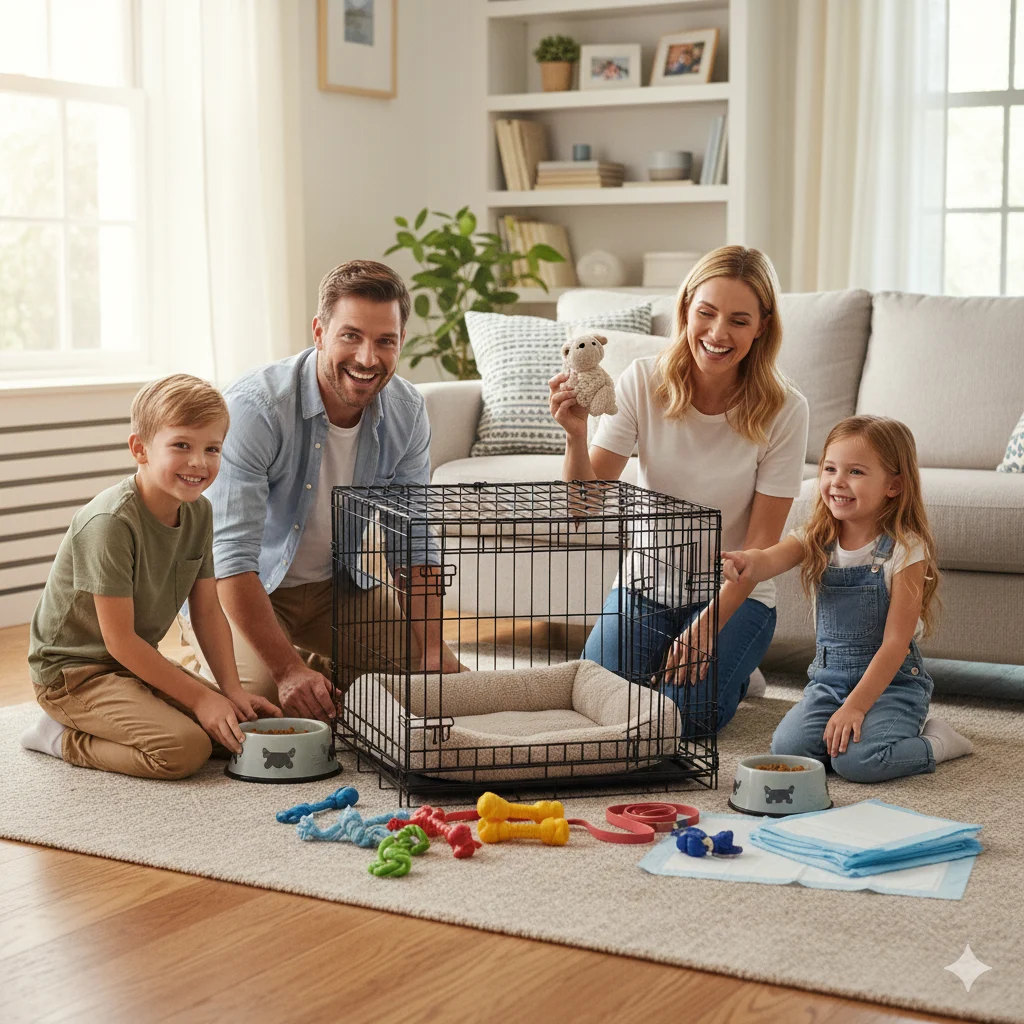
Before you start actual lessons, it’s important to set the right environment and mindset for both you and your puppy. Training begins the moment your new furry friend walks through the door.
1. Create a Safe Training Space
Choose a quiet, distraction-free area where your puppy can focus. Puppies learn best in calm environments. Use baby gates or pens to keep them contained safely.
2. Gather the Right Supplies
Essentials include a comfortable leash and collar, soft treats, chew toys, and a crate for rest and potty training. Having everything ready makes the process smoother.
3. Establish a Routine
Consistency is key. Feed, walk, and train your puppy at the same times each day. Dogs thrive on structure and predictability.
4. Keep Sessions Short and Fun
Young puppies have short attention spans 5–10 minutes per session is perfect. Always end on a positive note to build confidence and excitement for the next session.
Getting the basics right from the start sets you and your puppy up for success, ensuring that training becomes something they look forward to rather than fear.
Essential Command How to Train a Puppy to Listen
Teaching your puppy basic obedience commands is the foundation of good manners. It’s not just about control it’s about teaching your dog to understand you.
1. Sit
Hold a treat close to your puppy’s nose and slowly move it upward. As their head follows, their bottom naturally lowers that’s when you say “Sit!” and reward them.
2. Stay
Once your puppy masters “sit,” introduce “stay.” Hold your palm out and say “Stay,” then take one step back. Reward them if they remain still. Gradually increase the distance over time.
3. Come
Use a cheerful voice and say “Come!” while crouching down with open arms. Reward your puppy every time they come to you this command can be life-saving outdoors.
4. Leave It
Place a treat on the ground, cover it with your hand, and say “Leave it.” When your puppy looks away, give them a different treat and praise. This teaches impulse control and safety.
Positive reinforcement is your best friend during training. Always reward desired behavior immediately and ignore or redirect unwanted actions. Puppies repeat what earns them love and treats so make good behavior worth it!
Housebreaking How to Train a Puppy to Use the Potty
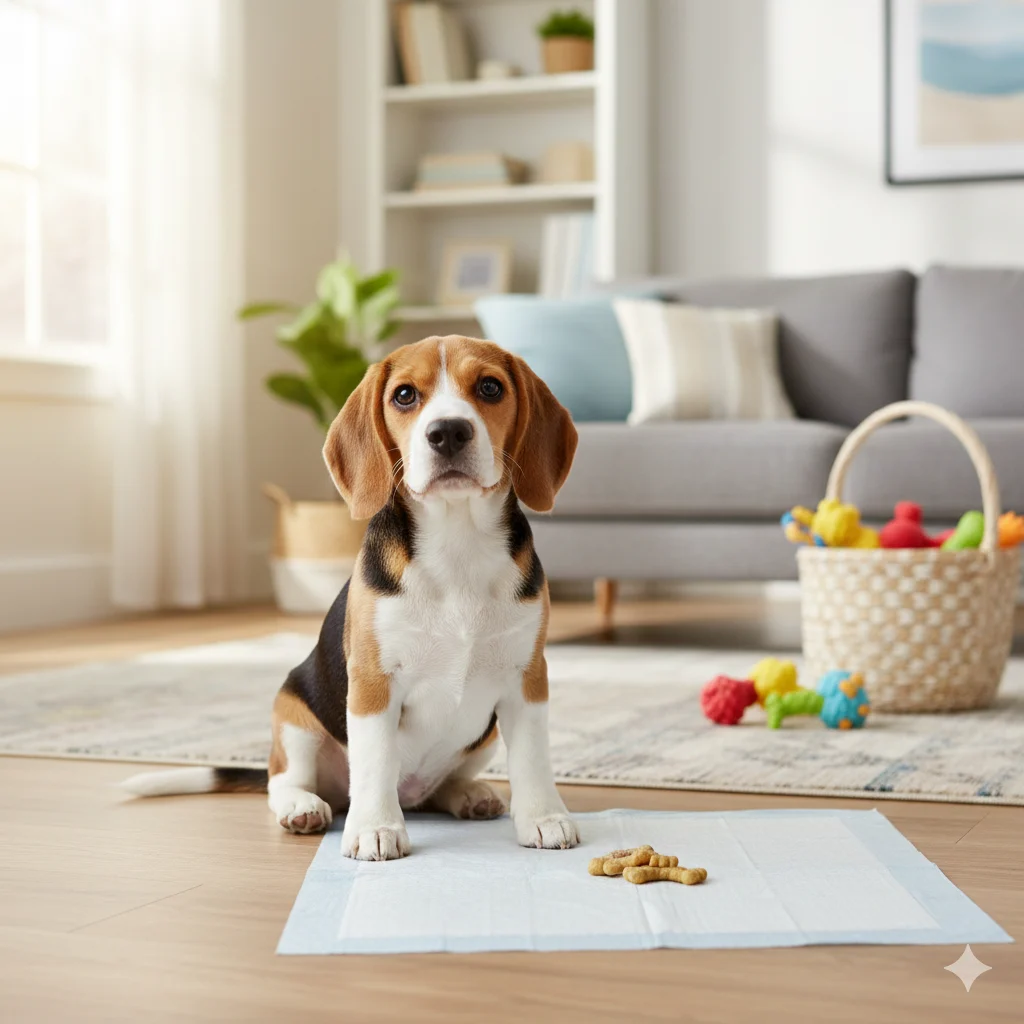
Housebreaking is one of the first big milestones in how to train a puppy. With consistency and patience, your pup will quickly learn where it’s okay to go.
1. Follow a Regular Schedule
Take your puppy outside first thing in the morning, after meals, naps, and playtime. Frequent trips reduce accidents and reinforce the habit.
2. Choose a Potty Spot
Use the same outdoor spot each time. The familiar scent will help your puppy associate it with bathroom breaks.
3. Praise and Reward Immediately
Timing is everything! Praise or give a treat right after your puppy goes in the correct spot. This reinforces good behavior.
4. Watch for Signs
Circling, sniffing, or whining are clues that your puppy needs to go. Get them outside fast!
5. Handle Accidents Calmly
Never scold or punish. Clean the area with an enzyme cleaner to remove odors and prevent repeat accidents.
Most puppies master potty training within 4–6 months, though some take longer. The secret? Consistency, patience, and positive reinforcement the golden trio of successful training.
Socialization and Behavior Raising a Confident Puppy
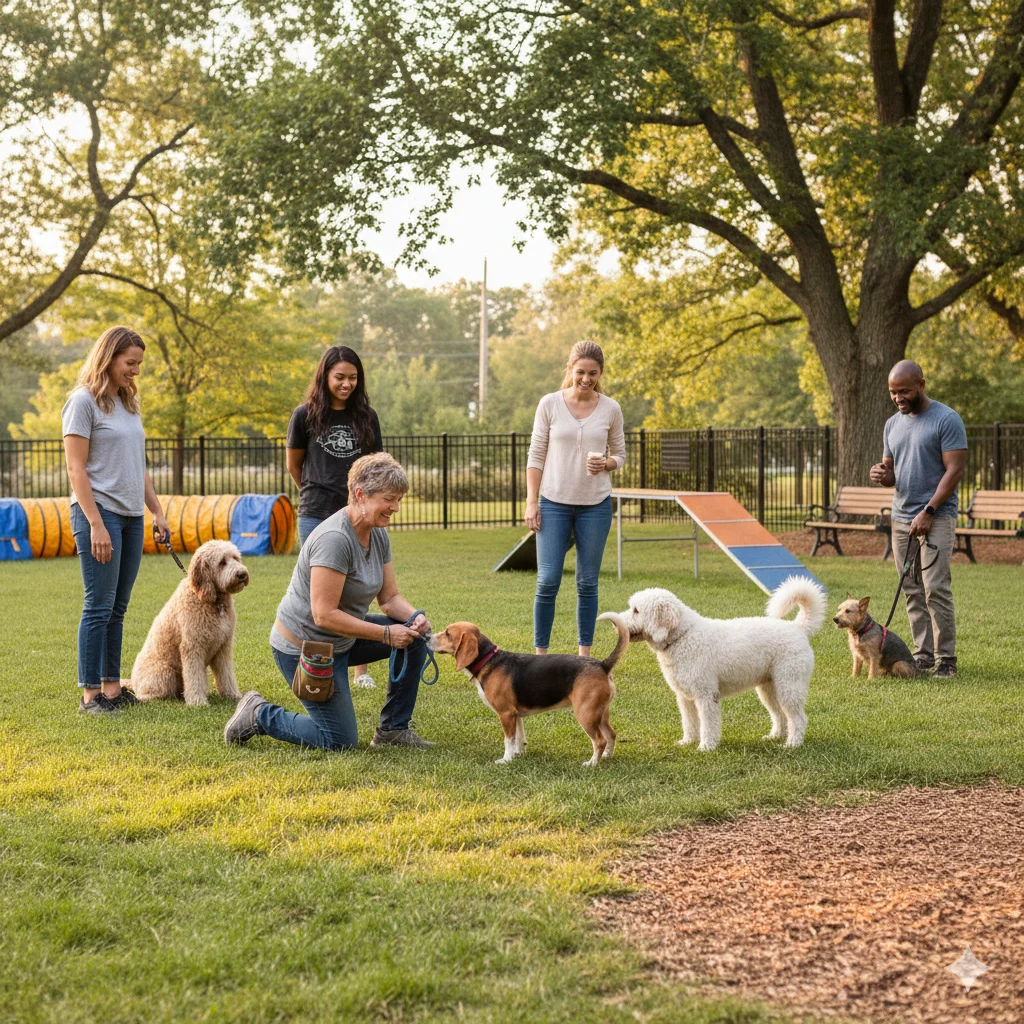
Socialization is one of the most important yet often overlooked parts of how to train a puppy. A well-socialized dog is friendly, adaptable, and less likely to develop fear-based behaviors.
1. Introduce New Experiences Gradually
Expose your puppy to new people, animals, sounds, and environments slowly. Positive exposure during the early months (8–16 weeks) helps them adjust easily.
2. Encourage Calm Interactions
Reward calm behavior when meeting strangers or other dogs. Avoid forcing interactions let your puppy set the pace.
3. Handle Common Fears Early
Things like vacuums, car rides, or the vet can be scary. Pair each new experience with treats or play to build positive associations.
4. Prevent Problem Behaviors
Chewing, jumping, and barking are normal puppy behaviors but they can be managed early. Redirect energy with toys, teach the “off” command, and ensure your pup gets enough exercise.
Socialization helps create a confident dog who can handle new situations with ease making daily life smoother for both of you.
🐕🦺 CONCLUSION
Training a puppy is a journey one filled with tiny challenges and big rewards. Every moment spent teaching, guiding, and loving your pup strengthens your lifelong bond.
Remember, learning how to train a puppy isn’t about perfection it’s about progress. Celebrate small victories, stay consistent, and always lead with patience and love. Your efforts today will raise a well-behaved, confident, and loyal companion for years to come.
❓ FAQs SECTION
Q1: How long does it take to train a puppy?
A1: Most puppies learn basic commands within a few weeks, but full training (including potty and behavior) can take 4–6 months depending on consistency and the breed.
Q2: What’s the best age to start training a puppy?
A2: Start as early as 8 weeks old. The sooner you begin, the easier it is to establish good habits and prevent unwanted behavior.
Q3: How do I train a puppy not to bite?
A3: Use the “ouch” technique say it firmly when they bite, stop playing, and redirect to a chew toy. Reward gentle play to reinforce proper behavior.
Q4: Can I train a puppy at home without a trainer?
A4: Absolutely! With patience, structure, and positive reinforcement, most owners can handle how to train a puppy at home effectively.
Q5: How do I stop my puppy from barking too much?
A5: Identify the cause boredom, excitement, or attention-seeking. Use commands like “quiet” and reward calm behavior. Ensure your pup gets enough exercise and mental stimulation.