Quick Note
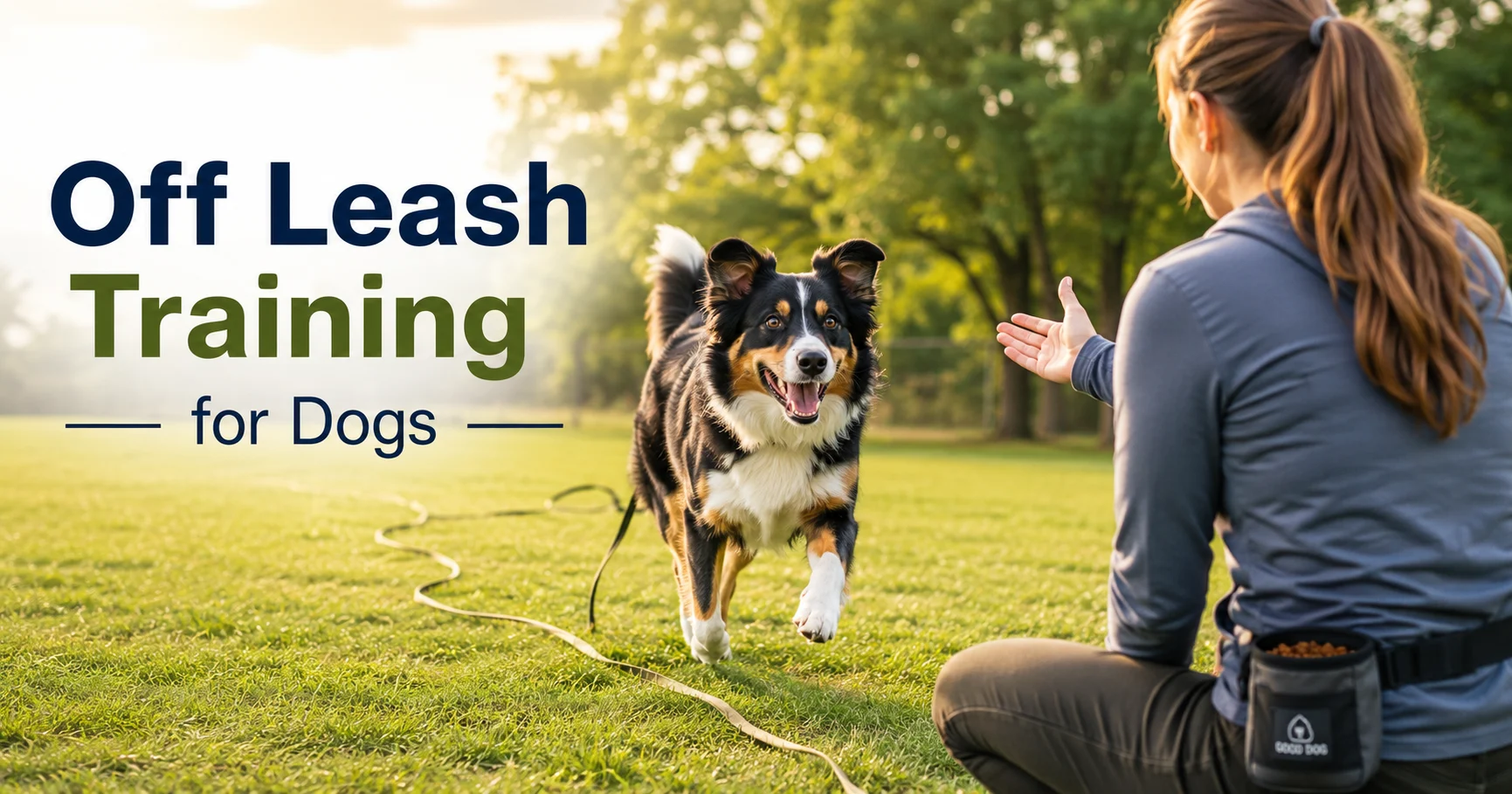
Off-leash training for dogs starts with strong basic obedience in a safe, low-distraction area. Begin with short 5- to 10-minute sessions, use high-value rewards, and practice recall every day. Stay patient and consistent. Never punish your dog for coming back slowly. Build trust first before allowing off-leash freedom in open spaces or around distractions.
Introduction
Many dog owners dream about letting their dog run freely while still listening perfectly. A well-trained dog that comes back when called can enjoy more freedom, safer walks, and better outdoor adventures. But off-leash training for dogs often feels stressful at first. Some dogs ignore recall commands, chase squirrels, run toward strangers, or become too excited outdoors.
Many owners also worry about safety. A distracted dog can quickly run into traffic, disappear into woods, or approach another dog that may not feel friendly. These situations make many people nervous about training without a leash.
The good news is that most dogs can learn reliable off-leash skills with patience, consistency, and reward-based training. You do not need harsh punishment or fear-based methods. Instead, you need clear communication, proper timing, and steady practice in the right environments.
This guide covers everything you need to know about off-leash training for dogs. You will learn how to prepare your dog, teach reliable recall, avoid common mistakes, use rewards correctly, handle distractions, and practice safely. You will also find training schedules, troubleshooting tips, practical supplies, and answers to common questions dog owners ask during training.
What Is Off Leash Training for Dogs?
Off-leash training teaches a dog to listen and respond without physical restraint. The main goal involves building reliable obedience even when distractions appear.
A well-trained off-leash dog should:
- Come when called
- Stay close during walks
- Ignore dangerous distractions
- Stop when asked
- Focus on the owner outdoors
- Respond quickly in exciting situations
Off-leash training does not mean giving dogs unlimited freedom immediately. Instead, it builds step-by-step reliability through controlled practice.
Some dogs learn quickly, while others need months of steady work. Breed traits, age, personality, past training, and energy levels all affect progress.
Why Off Leash Training Matters
Off-leash skills improve both safety and daily life.
Benefits include:
- Better recall during emergencies
- More freedom during walks and hikes
- Stronger trust between dog and owner
- Improved mental stimulation
- Better exercise opportunities
- Reduced pulling on walks
- Increased focus around distractions
Good training also helps dogs stay calmer in public places because they learn self-control and focus.
What You Need Before You Start
Before starting off leash training for dogs, prepare the right tools and environment.
| Supply | Why it helps |
|---|---|
| Long training leash | Gives freedom while keeping control |
| High-value treats | Keeps your dog motivated |
| Clicker | Marks good behavior clearly |
| Comfortable harness | Prevents neck strain |
| Favorite toy | Adds fun rewards during recall |
| Treat pouch | Allows fast reward timing |
| Water bowl | Keeps outdoor sessions comfortable |
| Secure fenced area | Creates a safe practice environment |
Avoid busy public spaces during early training. Start in calm places with few distractions.
Basic Commands Your Dog Should Know First
A dog should master several basic commands before practicing fully off-leash.
Recall Command
“Recall” means your dog comes back immediately when called.
This command matters most during off-leash work.
Sit.
Sitting helps calm excited dogs and improves focus outdoors.
Stay
Stays build impulse control and teach patience.
Leave It
This command prevents dogs from chasing unsafe objects, food, or animals.
Heel or close.
This teaches dogs to stay near you during walks.
If your dog struggles with these basics indoors, continue practicing before moving outdoors.
Step-by-Step Off-Leash Training for Dogs
Step 1: Start Indoors
Begin in a quiet room with no distractions.
Call your dog using a happy voice. Reward immediately when your dog comes to you.
Keep sessions short and fun.
Practice several times daily for 5 minutes at a time.
Tips for Indoor Practice
- Use small soft treats
- Reward quickly
- Stay cheerful
- Avoid repeating commands many times
- End sessions positively
Step 2: Use a Long Training Leash
Move outdoors after indoor success.
Attach a long leash in a secure area. Allow your dog to move freely while keeping safety control.
Practice recall frequently.
Reward every successful return.
Why Long Leashes Help
Long leashes teach freedom without risk. They also prevent dogs from learning bad habits like ignoring commands and running away.
Step 3: Add Small Distractions
Once recall improves, slowly increase distractions.
Examples include:
- Another person nearby
- Mild outdoor sounds
- Toys on the ground
- Calm dogs at a distance
Do not rush this stage. Many owners move too quickly and damage recall reliability.
Step 4: Practice in Different Locations
Dogs do not automatically understand commands in new places.
Practice recall in:
- Backyards
- Quiet parks
- Empty fields
- Hiking trails
- Safe open areas
Each new environment feels different to your dog.
Step 5: Gradually Reduce Leash Dependence
When your dog responds reliably, allow short periods without the leash in secure fenced spaces.
Continue rewarding successful recall.
Never stop practicing just because your dog improves.
Best Rewards for Off Leash Training
Rewards motivate dogs to listen even when distractions compete for attention.
Food Rewards
High-value treats work best outdoors.
Examples include:
- Small chicken pieces
- Cheese bits
- Freeze-dried treats
- Soft training treats
Toy Rewards
Some dogs prefer toys over food.
Try:
- Tug toys
- Tennis balls
- Frisbees
Praise and Play
Happy praise builds excitement and trust.
Use an upbeat voice during training.
Daily Off Leash Training Routine
Consistency matters more than long sessions.
| Time | Activity |
|---|---|
| Morning | 5-minute recall practice indoors |
| Afternoon | Long-leash outdoor session |
| Evening | Sit, stay, and recall review |
| Walk time | Practice focus and “heel” commands. |
Keep sessions short to avoid frustration and boredom.
Off Leash Training by Age
Puppies
Puppies can begin early foundation work around 8 weeks old.
Focus on:
- Name response
- Recall games
- Short sessions
- Positive rewards
- Gentle socialization
Keep lessons very short, around 2 to 5 minutes.
Do not expect perfect focus from young puppies.
Puppy Socialization Safety
Avoid forcing puppies into scary situations.
Start with calm exposure before busy places. Ask your vet which public areas match your puppy’s vaccine stage.
Adult dogs
Adult dogs often learn well with steady consistency.
Older rescue dogs may need extra patience if they lack previous training.
Some adult dogs already have habits like chasing or ignoring recall. Use the long-leash practice to rebuild focus safely.
Senior Dogs
Senior dogs can still learn off-leash skills.
Keep sessions gentle and shorter.
Watch for signs of pain, hearing changes, or fatigue that may affect training.
Sudden behavior changes may signal health problems. Contact a vet if your dog suddenly stops responding normally.
Common Mistakes During Off-Leash Training
Moving Too Fast
Many owners remove the leash too early.
Dogs need gradual progress and repeated success before gaining full freedom.
Repeating Commands
Avoid saying the recall cue again and again.
Instead, say it once clearly and reward success.
Punishing Recall
Never punish your dog after returning.
Even delayed punishment creates fear around coming back.
Training Only in One Place
Dogs need practice in many environments.
A dog that listens indoors may ignore commands outside.
Using Recall Only for Negative Things
Do not call your dog only for baths, nail trimming, or ending fun.
Sometimes call your dog, reward it, and allow play to continue.
Do’s and Don’ts of Off Leash Training
| Do | Don’t |
|---|---|
| Reward good behavior immediately | Shout when your dog ignores you |
| Use a long leash first | Remove the leash too early |
| Keep sessions short | Train for too long |
| Practice daily | Expect instant results |
| Stay calm and patient | Punish slow recall |
| Use the same commands | Change cue words often |
| Train in safe areas | Start near heavy traffic |
How to Handle Distractions
Distractions challenge every dog during off-leash work.
Common distractions include:
- Squirrels
- Birds
- Other dogs
- People
- Smells
- Food on the ground
Start Small
Train far away from distractions first.
Gradually reduce distance as your dog improves.
Use better rewards.
High distractions require higher-value rewards.
A plain biscuit may not compete with a running squirrel.
Practice Focus Games
Reward eye contact frequently during walks.
This teaches your dog to check in with you naturally.
What to Do If Your Dog Does Not Listen
Many dogs ignore commands at some point during training.
Stay calm and avoid anger.
Lower the Difficulty
Move back to an easier environment with fewer distractions.
Increase Reward Value
Use more exciting rewards.
Shorten Sessions
Tired dogs lose focus quickly.
Check for Fear or Stress
Scared dogs may stop responding.
Never force training around overwhelming situations.
Rule Out Health Problems
Pain, hearing loss, or illness can affect behavior suddenly.
Speak with a vet if your dog’s behavior changes unexpectedly.
Troubleshooting Guide for Off-Leash Training
| Problem | Likely reason | What to do |
|---|---|---|
| Dog ignores recall outdoors | Too many distractions | Practice farther away from distractions |
| Dog runs away during walks | Training moved too fast | Return to long-leash work |
| The dog listens indoors only | Lack of outdoor practice | Train in multiple environments |
| Dogs lose focus quickly | Sessions too long | Keep sessions short |
| The dog comes back slowly | Weak rewards | Use better treats or toys |
| Dog chases animals | Strong prey drive | Practice leave it and controlled recall |
| The dog becomes nervous outdoors | Fear or stress | Use calm environments first |
| The dog stops listening suddenly | Possible pain or illness | Contact a vet for guidance |
Safety Tips Every Owner Should Know
Off-leash freedom should never replace safety awareness.
Use Secure Areas First
Start in fenced spaces whenever possible.
Avoid Dangerous Locations
Do not practice near:
- Roads
- Parking lots
- Busy trails
- Aggressive dogs
- Wildlife areas
Watch Body Language
A stressed or overstimulated dog may stop responding reliably.
Keep identification updated.
Use updated tags and microchip information.
Respect local rules.
Some public areas require leashes for safety reasons.
When to Ask a Professional Trainer
Some dogs need extra help.
Consider professional support if your dog:
- Shows aggression
- Has severe fear
- Chases dangerously
- Escapes repeatedly
- Ignores recall completely
- Displays sudden behavior changes
Choose reward-based trainers who use humane methods.
Avoid trainers who rely heavily on fear, pain, or intimidation.
Off Leash Training for Different Dog Personalities
High-Energy Dogs
High-energy dogs often need extra exercise before training sessions.
A short play session may improve focus.
Shy Dogs
Shy dogs need calm environments and gentle encouragement.
Avoid crowded areas early on.
Independent Dogs
Some breeds naturally enjoy independence more than others.
Use high-value rewards and extra patience.
Easily Excited Dogs
Practice impulse control games often.
Reward calm behavior regularly.
How Long Does Off Leash Training Take?
Every dog learns differently.
Some dogs develop reliable recall within a few weeks, while others need several months.
Factors that affect progress include:
- Age
- Breed traits
- Consistency
- Previous training
- Distraction level
- Reward quality
- Owner patience
Reliable off-leash behavior requires ongoing practice throughout a dog’s life.
Conclusion
Off-leash training for dogs takes patience, consistency, and trust. Start slowly, use rewards generously, and practice in safe environments before giving your dog more freedom. Focus on strong recall, calm behavior, and gradual progress instead of rushing the process.
Every dog learns at a different pace, so stay patient and keep training sessions positive. With steady practice and safe handling, your dog can build reliable off-leash skills that improve both safety and everyday life.
FAQs
How long does off-leash training for dogs take?
Most dogs need several weeks to several months of consistent practice. Progress depends on age, personality, distractions, and previous training.
What is the best age to start off-leash training?
Puppies can begin basic recall games around 8 weeks old. Full off-leash freedom should wait until the dog shows reliable obedience.
Can older dogs learn off-leash training?
Yes. Adult and senior dogs can still learn successfully with patience, rewards, and steady practice.
What should I do if my dog ignores recall outside?
Move to a less distracting environment, use better rewards, and practice with a long training leash before trying again.
Should I use punishment during off-leash training?
No. Punishment can damage trust and reduce recall reliability. Reward-based training works better and keeps dogs confident.
Can all dogs become reliable off-leash?
Many dogs can improve greatly, but some dogs with strong prey drives or fear issues may always need extra management and supervision.
What treats work best for off-leash training?
Soft, high-value treats like chicken, cheese, or freeze-dried meat usually work best outdoors.
Is off-leash training safe near roads?
No. Avoid practicing near traffic until your dog shows very reliable recall in safer environments.
What should I do if off-leash training is not working?
Return to easier training steps, shorten sessions, improve rewards, and consider help from a professional reward-based trainer.
Can puppies practice off-leash training safely?
Yes, but only in secure fenced spaces or while attached to a long leash. Keep sessions short and fun.