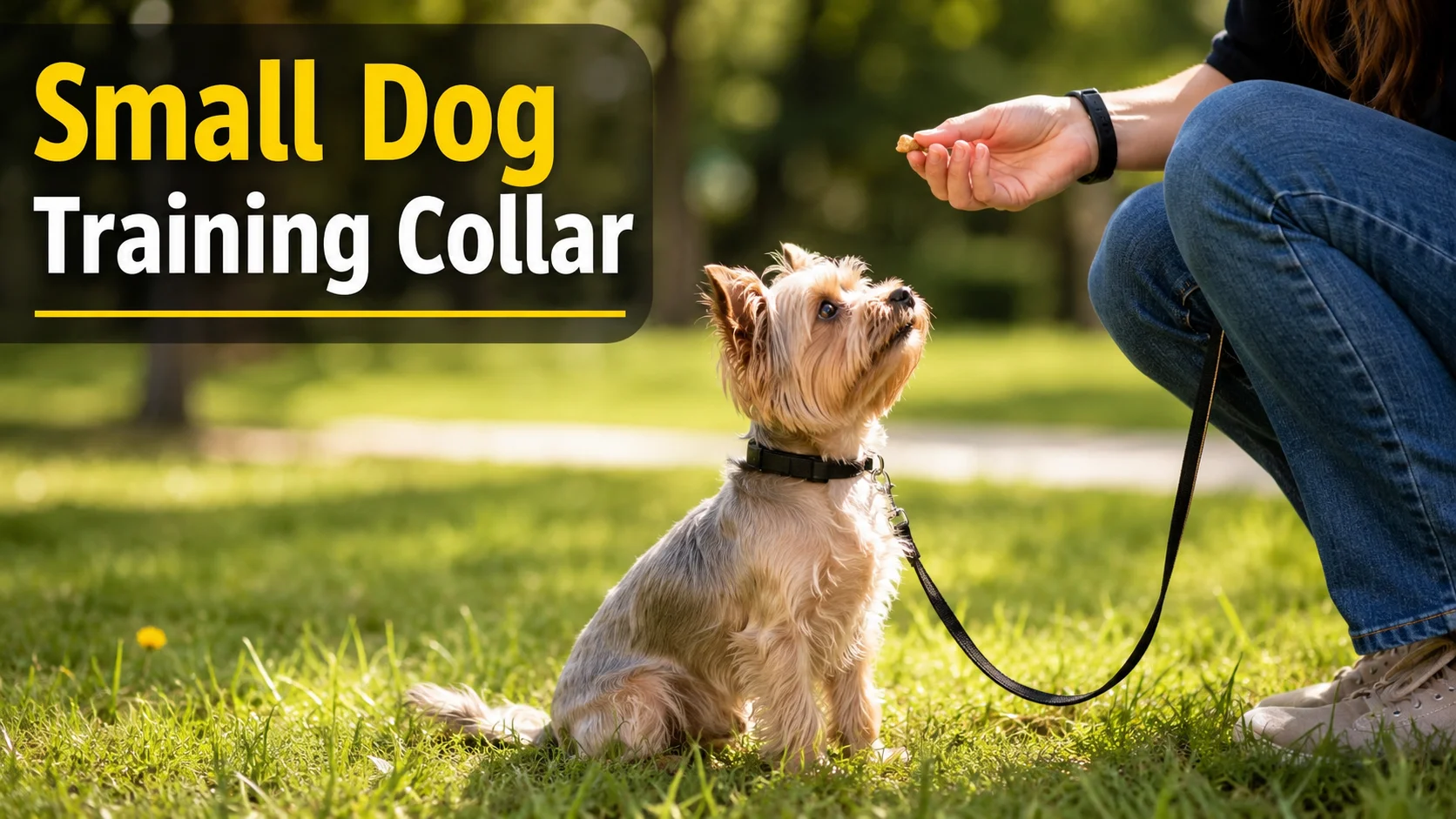
Quick Answer
A small dog training collar can be used to support obedience training, recall training, and behavior management when used correctly. However, not every training collar is suitable for every dog. Small breeds often require extra care because of their size, sensitivity, and physical limitations. Reward-based training, proper fitting equipment, and professional guidance are important for safe and effective results.
Introduction
Many dog owners look for a small dog training collar when dealing with common challenges such as poor recall, excessive barking, leash pulling, or difficulty maintaining focus around distractions. While training collars can be useful tools in certain situations, they are not magic solutions. The collar itself does not train the dog. Consistent practice, positive reinforcement, and clear communication are what create lasting behavior change.
Small dogs often learn quickly, but they can also be sensitive to training methods and equipment. Choosing the wrong tool or using it incorrectly can create confusion, fear, or physical discomfort. Understanding how different training collars work, their advantages, limitations, and safer alternatives can help owners make informed decisions.
Whether you are considering a training collar for a puppy, an adult dog, or a rescue dog, this guide explains what you need to know before using one.
What a Small Dog Training Collar Is Used For
A small dog training collar is a training aid designed to help communicate commands and reinforce behaviors during training sessions. Depending on the type of collar, it may use vibration, sound, remote communication, or other forms of feedback.
Common training goals include:
- Recall training
- Leash manners
- Basic obedience commands
- Reducing unwanted behaviors
- Building focus around distractions
- Off-leash reliability in safe environments
Many owners use a collar for dog training as part of a larger training plan that includes treats, praise, clicker training, and structured practice.
It is important to understand that even the best training dog collar cannot replace proper teaching. Dogs learn through repetition, rewards, and consistency.
Types of Small Dog Training Collars
Not all training collars are the same. Understanding the differences helps owners choose the most appropriate option.
Flat Training Collar
This is the standard collar most dogs wear daily.
Benefits:
- Simple and lightweight
- Suitable for identification tags
- Useful for basic leash training
Limitations:
- Provides limited control for strong pullers
- Not designed specifically for advanced training
Martingale Collar
A martingale collar tightens slightly when the dog pulls.
Benefits:
- Helps prevent slipping out
- Popular for dogs with narrow heads
- Provides gentle control
Limitations:
- Must be fitted correctly
- Not intended as a correction tool
Vibration Training Collar
A vibration-based train dog collar uses vibration signals instead of static stimulation.
Benefits:
- Often preferred for sensitive dogs
- Can be used for recall training
- Useful as a communication signal
Limitations:
- Some dogs ignore vibration
- Requires careful conditioning
E-Collar
An electronic collar may provide vibration, tone, and static stimulation options.
Benefits:
- Can assist advanced off-leash training
- Offers communication over longer distances
Limitations:
- Requires proper education
- Incorrect use can create fear or confusion
- Not appropriate for every dog
Safety Note About E-Collar Training
Training a dog with an e collar requires knowledge, timing, and responsible use.
A small dog may be particularly sensitive to electronic stimulation. Poorly fitted equipment, excessive stimulation levels, or punishment-based approaches can cause stress and behavioral problems.
If you are considering e-collar training for dogs, consult a qualified professional dog trainer who has experience with humane, reward-based methods. Avoid using an e-collar as punishment for fear, anxiety, aggression, or reactivity.
If your dog suddenly develops behavior problems, speak with your veterinarian to rule out pain or medical causes.
Pros and Cons of Using a Small Dog Training Collar
Potential Benefits
When used correctly, a training collar may help:
- Improve communication
- Support recall training
- Increase focus around distractions
- Reinforce known commands
- Assist advanced training goals
Some owners find that a pet training collar for small dogs helps create more consistent communication during outdoor training sessions.
Potential Drawbacks
Training collars also have disadvantages:
- Incorrect use may cause confusion
- Some dogs become stressed
- Overreliance can slow learning
- Poor timing reduces effectiveness
- Certain collars are unsuitable for sensitive dogs
Owners should remember that training tools work best when combined with rewards, praise, and clear instruction.
Humane Alternatives to a Small Dog Training Collar
Many dogs can achieve excellent results without electronic training equipment.
Clicker Training
Clicker training marks the exact moment your dog performs the desired behavior.
Benefits include:
- Clear communication
- Fast learning
- Positive training experience
- Excellent for small breeds
Treat-Based Positive Reinforcement
Food rewards remain one of the most effective training methods available.
Useful for:
- Recall
- Sit
- Stay
- Loose-leash walking
- Crate training
Harness Training
A front-clip harness may provide better control than a collar for dogs that pull.
Benefits include:
- Reduced neck pressure
- Improved comfort
- Better safety for toy breeds
Long-Line Training
A long leash allows owners to practice recall while maintaining safety.
This approach is commonly used before off-leash training.
Whistle Recall Training
Whistle recall can create a reliable emergency recall signal.
Many trainers pair whistle recall with high-value rewards to build strong response habits.
How to Train a Dog With an E Collar Safely
Owners frequently search for how to train dog with e collar or how to train your dog with an e collar. Before starting, the dog should already understand basic commands.
Step 1: Teach Commands First
Your dog should understand:
- Sit
- Stay
- Come
- Heel
- Place
Never use an e-collar to teach a completely new command.
Step 2: Fit the Collar Correctly
The collar should:
- Sit securely
- Not slide excessively
- Allow comfortable movement
- Be checked regularly for skin irritation
Step 3: Start With the Lowest Effective Level
Begin with the lowest setting that your dog can notice.
The goal is communication, not correction.
Step 4: Pair Signals With Known Commands
Use the collar alongside verbal cues and rewards.
For example:
- Say “come.”
- Apply the communication signal
- Reward immediately when the dog returns
Step 5: Practice in Low-Distraction Areas
Begin indoors or in quiet outdoor environments before progressing to more challenging locations.
Step 6: Gradually Increase Difficulty
Add distractions slowly while maintaining a high reward rate.
Dogs learn best through steady progression rather than sudden challenges.
Safe Use Guidelines for a Small Dog Training Collar
Whether you choose a vibration collar, martingale collar, or e-collar, safety should always come first. Small dogs are more physically delicate than many medium or large breeds, making proper equipment selection especially important.
Follow these guidelines:
- Choose equipment designed specifically for small dogs.
- Check weight recommendations from the manufacturer.
- Ensure the collar fits properly without being too tight.
- Remove training collars after sessions unless designed for everyday wear.
- Inspect your dog’s neck regularly for irritation.
- Keep training sessions short and productive.
- Pair training tools with rewards and praise.
- Avoid using training collars when you are frustrated or angry.
- Never leave an e-collar on for extended periods without breaks.
Remember that training tools are designed to assist communication. They should never become the primary source of motivation for learning.
Who Should Avoid Using an E-Collar?
Not every dog is a suitable candidate for e-collar training.
You should avoid e-collar use if your dog:
- Shows fear-based behavior.
- Displays aggression toward people or animals.
- Suffers from significant anxiety.
- Has medical conditions affecting the neck area.
- Is extremely sensitive to new experiences.
- Is a very young puppy still learning basic skills.
Dogs struggling with behavioral issues often benefit more from behavior modification plans involving positive reinforcement, management strategies, and professional guidance.
Step-by-Step Recall Training Without Heavy Reliance on a Collar
Many owners purchase a small dog training collar primarily for recall training. However, strong recall can often be built through reward-based methods.
Step 1: Choose a Reward Your Dog Loves
Examples include:
- Small training treats
- Cooked chicken
- Cheese pieces
- Favorite toys
- Enthusiastic praise
The reward must be valuable enough to compete with distractions.
Step 2: Start Indoors
Call your dog from a short distance.
When your dog arrives:
- Mark the behavior with a clicker or verbal marker.
- Deliver a reward immediately.
- Keep the experience positive.
Step 3: Add Distance
Gradually increase the distance between you and your dog.
Practice in different rooms before moving outdoors.
Step 4: Use a Long Line
A long training leash allows safe practice while preventing failures.
Your dog learns that coming when called always leads to something good.
Step 5: Introduce Distractions Slowly
Add distractions one at a time:
- Family members
- Toys
- Other dogs at a distance
- Public parks
Step 6: Maintain Rewards
Continue rewarding successful recalls even after progress improves.
Reliable recall is built through hundreds of successful repetitions.
Common Mistakes Owners Make
Many training problems occur because of mistakes in technique rather than the training tool itself.
Using the Collar Before Teaching the Behavior
Dogs must understand a command before any training tool can reinforce it.
Teaching and reinforcing are different processes.
Relying Only on Equipment
A training collar should support training, not replace it.
Dogs learn from:
- Repetition
- Rewards
- Consistency
- Clear communication
Poor Timing
Late feedback creates confusion.
The dog may associate the signal with the wrong behavior.
Training Too Fast
Progressing from the living room to a crowded dog park too quickly often causes setbacks.
Build difficulty gradually.
Ignoring Stress Signals
Watch for signs such as:
- Lip licking
- Yawning
- Avoidance
- Tail tucked posture
- Excessive panting
These may indicate stress or confusion.
Inconsistent Rules
If family members use different commands or expectations, learning becomes more difficult.
Everyone should follow the same training plan.
Small Dog Training Schedule Example
The best results often come from short, frequent sessions.
Morning Session – 5 Minutes
Practice:
- Sit
- Down
- Stay
- Name recognition
Reward generously.
Midday Session – 5 to 10 Minutes
Practice:
- Leash manners
- Focus exercises
- Recall indoors
Keep distractions low.
Evening Session – 10 Minutes
Practice:
- Recall
- Impulse control
- Place command
- Settle exercises
Finish with play or affection.
This schedule provides enough repetition without overwhelming the dog.
Realistic Training Timeline
Dog owners often expect immediate results, but behavior change takes time.
Week 1-2
Focus on:
- Equipment introduction
- Basic commands
- Positive associations
Week 3-4
Begin:
- Recall practice
- Leash skills
- Mild distractions
Month 2
Increase:
- Distance
- Duration
- Distraction levels
Month 3 and Beyond
Continue building reliability through ongoing practice.
Most dogs require maintenance training throughout life.
Training Collar vs Harness: Which Is Better?
Many owners compare a collar for dog training with a harness.
Training Collar Advantages
- Lightweight
- Familiar to most dogs
- Useful for communication-based training
Harness Advantages
- Reduces neck pressure
- Better for leash pullers
- Often safer for toy breeds
- Suitable for everyday walks
For many small dogs, a properly fitted harness combined with positive reinforcement is often the safest starting point.
Training Collar vs Clicker Training
Training Collar
May provide communication over distance.
Useful for some advanced training goals.
Clicker Training
Provides precise feedback.
Excellent for:
- Obedience
- Tricks
- Recall
- Confidence building
Many professional trainers combine clicker training with other reward-based methods rather than relying heavily on training collars.
Breed and Temperament Considerations
Different small breeds learn differently.
Highly Food-Motivated Breeds
Examples:
- Beagles
- Dachshunds
- Pugs
These dogs often respond exceptionally well to treat-based training.
Sensitive Breeds
Examples:
- Maltese
- Cavalier King Charles Spaniels
- Toy Poodles
These dogs may be more affected by harsh corrections and often thrive with gentle training methods.
Independent Thinkers
Examples:
- Terriers
- Some Chihuahua mixes
Consistency and patience are particularly important.
Understanding your dog’s temperament helps determine whether a training collar is appropriate.
Signs Your Training Is Working
Look for gradual improvements such as the following:
- Faster response to commands
- Better focus around distractions
- Improved recall
- Reduced leash pulling
- Increased engagement with the handler
- Better impulse control
Progress is often gradual rather than dramatic.
Small improvements accumulate into lasting behavior change.
When to Seek Professional Help
Some situations require assistance from a qualified trainer or behavior professional.
Consider professional help if:
- Your dog shows aggression.
- Training progress stalls completely.
- Fear or anxiety increases.
- Recall remains unreliable despite consistent practice.
- Family safety becomes a concern.
- You are unsure how to use training equipment correctly.
A certified trainer can help create a plan tailored to your dog’s personality, age, and training goals.
Conclusion
A small dog training collar can be a useful training tool when chosen carefully and used responsibly, but it should never replace good training practices. Most dogs learn best through positive reinforcement, consistency, clear communication, and realistic expectations. Whether you use a vibration collar, a standard training collar, a harness, or reward-based methods alone, the goal is to help your dog understand what you want while maintaining trust and confidence. Focus on short training sessions, gradual progress, and humane techniques that support long-term success.
FAQs
Q1. What is the best small dog training collar for beginners?
For most beginners, a lightweight training collar or properly fitted harness combined with treats and positive reinforcement is often the safest starting point.
Q2. Is shock collar training for small dogs safe?
Shock collar training for small dogs can carry risks if used incorrectly. Small breeds are often more sensitive than larger dogs. Professional guidance and humane training practices are strongly recommended.
Q3. Can I train a dog with an e-collar without using high stimulation?
Yes. Many modern e-collar programs focus on low-level communication paired with rewards rather than punishment. Proper education and timing are essential.
Q4. How long should daily training sessions be?
Most small dogs do well with multiple sessions lasting 5 to 10 minutes each rather than one long session.
Q5. Are training collars better than harnesses?
Not necessarily. Harnesses are often safer for leash walking and pulling issues, especially in toy and small breeds.
Q6. At what age can a dog start collar training?
Basic collar introduction can begin during puppyhood, but advanced training equipment should only be introduced when the puppy is developmentally ready and understands basic commands.
Q7. Can a small dog learn recall without a training collar?
Absolutely. Many dogs develop excellent recall through positive reinforcement, long-line practice, whistle recall training, and consistent rewards.
Q8. What should I do if my dog becomes fearful during training?
Stop the session, reduce difficulty, and evaluate the training approach. If fear continues, consult a qualified trainer or veterinarian.