Quick Answer
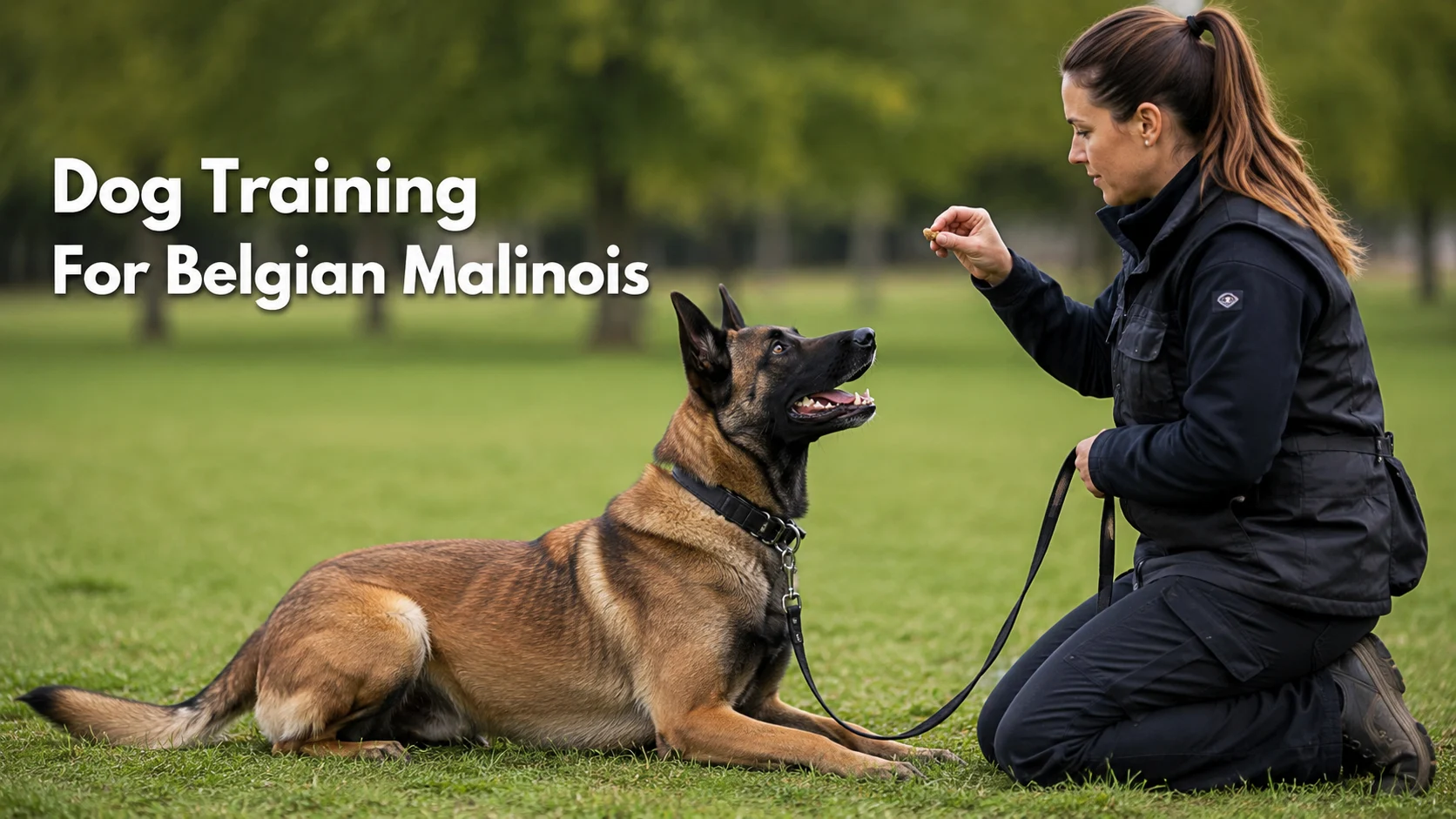
Dog training for Belgian Malinois requires structure, consistency, daily mental stimulation, and plenty of physical exercise. This highly intelligent working breed learns quickly but can develop behavior problems if training and enrichment are lacking. Start with basic obedience, socialization, impulse control, and reward-based training from an early age to build a focused, confident, and well-mannered dog.
Introduction
Dog training for Belgian Malinois is very different from training many family dog breeds. While Malinois are famous for their intelligence, athletic ability, and working drive, those same qualities can become challenging when owners are unprepared for the breed’s needs.
Many people admire Belgian Malinois because of their work in police, military, protection, and search-and-rescue roles. However, living with a Malinois is not the same as living with a typical pet dog. These dogs require daily training, mental challenges, clear boundaries, and meaningful activities.
Without proper guidance, a Belgian Malinois may become overly reactive, destructive, restless, or difficult to manage. The good news is that with consistent positive reinforcement, appropriate exercise, and a structured training plan, most Malinois can become excellent companions and highly skilled working partners.
This guide explains how to train a Belgian Malinois dog, avoid common mistakes, and build the foundation for long-term success.
Why Dog Training For Belgian Malinois Is Different
Belgian Malinois are among the most trainable dog breeds in the world. Their intelligence and willingness to work make them exceptional learners.
However, intelligence alone does not make training easy.
Unlike many companion breeds, Malinois were developed to work for long periods while maintaining focus under pressure. They often have:
- Extremely high energy levels
- Strong prey drive
- Intense focus
- Quick learning ability
- High physical stamina
- Strong desire for engagement
A bored Malinois can create its own entertainment. That may include chewing furniture, chasing moving objects, excessive barking, fence running, or developing obsessive behaviors.
Successful dog training for malinois focuses on channeling these natural drives into productive activities rather than trying to suppress them.
Breed Temperament And Energy Needs
Understanding breed temperament is essential before creating a training plan.
Belgian Malinois are typically:
- Intelligent
- Loyal
- Alert
- Athletic
- Sensitive to handling
- Highly responsive to training
- Protective of their family
Most Malinois need significantly more activity than the average dog.
Daily needs often include:
- Structured walks
- Obedience sessions
- Recall practice
- Problem-solving games
- Scent work
- Tug games with rules
- Controlled play sessions
Exercise alone is not enough.
Many owners make the mistake of trying to physically tire out their dog without providing mental stimulation. A fit Malinois can become an even stronger athlete while remaining mentally frustrated.
Training sessions that challenge the dog’s brain are often just as important as physical exercise.
Core Commands To Teach First
Before advanced skills, every Belgian Malinois should learn a strong obedience foundation.
Sit
Teach your dog to sit calmly before receiving rewards, meals, toys, or attention.
Down
A reliable down command helps develop impulse control and relaxation.
Stay
Stays teach patience and self-control around distractions.
Come
Recall is one of the most important safety commands.
Practice recall daily using high-value rewards and gradually increasing distractions.
Leave It
This command helps prevent chasing, grabbing, or picking up unsafe objects.
Place
Place training teaches the dog to relax on a designated bed or platform.
Heel
Teaching loose leash walking and heel work improves control during walks and public outings.
Focus on building reliability before increasing difficulty.
Step-By-Step Training Method For Belgian Malinois
Step 1: Build Engagement
Reward eye contact and voluntary attention.
The dog should learn that paying attention to the handler is rewarding.
Step 2: Use High-Value Rewards
Many Malinois respond well to:
- Food rewards
- Tug toys
- Balls
- Praise
- Play opportunities
Choose rewards that motivate your individual dog.
Step 3: Keep Sessions Short
Aim for:
- 5 to 10 minutes for puppies
- 10 to 15 minutes for adults
Several short sessions are often more effective than one long session.
Step 4: Add Distractions Gradually
Practice commands:
- Indoors
- Backyard
- Quiet streets
- Parks
- Busy environments
Increase difficulty slowly.
Step 5: Reward Desired Behavior
Reward behaviors you want repeated.
Consistency helps the dog understand expectations quickly.
Step 6: Practice Daily
Belgian Malinois thrive with routine.
Even brief daily training sessions produce significant improvements over time.
Exercise And Mental Stimulation
Mental stimulation is critical for this breed.
Helpful activities include:
- Obedience training
- Advanced trick training
- Agility
- Scent detection games
- Puzzle toys
- Tracking
- Fetch with rules
- Structured tug games
- Hide-and-seek exercises
Many owners underestimate how much mental work their dog needs.
A dog that receives physical exercise but no mental challenge may still develop unwanted behaviors.
For most healthy adult Malinois, daily activity should include both structured exercise and structured training.
Puppy Training For Belgian Malinois
Early training creates the foundation for adulthood.
Important priorities include:
Socialization
Expose puppies safely to:
- Different people
- Friendly dogs
- Sounds
- Surfaces
- Environments
Positive experiences help build confidence.
Crate Training
Crate training supports:
- House training
- Safety
- Travel preparation
- Rest periods
Potty Training
Maintain a predictable routine.
Take puppies outside:
- After waking
- After meals
- After play sessions
- Before bedtime
Bite Inhibition
Puppies naturally use their mouths.
Teach appropriate play and redirect biting toward approved toys.
Common Behavior Problems
Belgian Malinois can develop behavior issues when their needs are not met.
Excessive Barking
Often linked to boredom, frustration, or insufficient stimulation.
Destructive Chewing
Usually occurs when the dog lacks appropriate outlets.
Jumping
Common in energetic young dogs.
Reward calm greetings instead.
Pulling On Leash
Teach leash manners using reward-based training and gradual practice.
Chasing
Many Malinois have a strong prey drive.
Practice impulse control and recall exercises regularly.
Overarousal
Some dogs become overly excited during play or training.
Build calm behaviors alongside active exercises.
Sample Training Schedule
A structured routine helps many Belgian Malinois succeed.
Morning
- Potty break
- 20- to 30-minute walk
- 10-minute obedience session
Midday
- Puzzle toy
- Short training session
- Controlled play
Evening
- Exercise session
- Recall practice
- Place training
- Relaxation exercises
Adjust the schedule according to your dog’s age, health, and activity level.
Mistakes Owners Often Make
Choosing Exercise Over Training
Running a dog without teaching skills rarely solves behavior issues.
Inconsistent Rules
Mixed messages create confusion.
Moving Too Fast
Progressing before commands are reliable often causes setbacks.
Ignoring Mental Enrichment
Mental stimulation is essential for this breed.
Rewarding Unwanted Behaviors
Dogs repeat behaviors that produce rewards.
Pay attention to what your dog is learning from everyday interactions.
Skipping Socialization
Poor socialization can contribute to fear and reactivity later in life.
Protection Training And Working Roles
Many people searching for Belgian Malinois trained protection dogs or Belgian Malinois trained dogs for sale are interested in the breed’s working abilities.
Protection training should only be conducted by qualified professionals with suitable dogs.
Improper protection training can create serious safety risks.
A well-trained family companion does not need protection training to be obedient, confident, or well-behaved.
Safety Note
Protection work, aggression concerns, fear-based behavior, reactivity, and bite-related issues should be addressed with an experienced professional dog trainer, certified behavior consultant, or veterinary behaviorist. Avoid punishment-based methods, harsh corrections, or intimidation techniques.
Indoor And Outdoor Training Tips
Indoor Training
Practice:
- Place command
- Stay
- Impulse control
- Trick training
- Recall games
Outdoor Training
Practice:
- Loose leash walking
- Recall
- Distraction training
- Socialization
- Environmental confidence
Train in multiple locations to help your dog generalize behaviors.
When To Seek Professional Help
Consider professional support if your Belgian Malinois:
- Shows aggression
- Displays severe fearfulness
- Has intense reactivity
- Guards food or resources
- Has difficulty settling
- Suddenly changes behavior
A veterinarian should evaluate sudden behavior changes because pain, illness, or other medical conditions can influence behavior.
Internal Link Opportunities
To strengthen your training knowledge, consider linking to:
- Breed-Specific Dog Training
- Dog Training Border Collie
- Australian Cattle Dog Training
- Dog Training for Blue Heelers
- Dog Training for Cane Corso
- Dog Training Golden Retriever
- Dog Training Siberian Husky
- Puppy Socialization Guide
- Crate Training Guide
- Recall Training for Dogs
- Positive Reinforcement Dog Training
Conclusion
Dog training for Belgian Malinois requires commitment, structure, and consistency. These intelligent working dogs thrive when they receive clear guidance, daily mental stimulation, regular exercise, and reward-based training. By building strong obedience skills, encouraging calm behavior, and meeting the breed’s physical and mental needs, owners can develop a confident, focused, and enjoyable companion. Progress may take time, but steady practice produces lasting results.
FAQs
Q1. How do you train a Belgian Malinois for beginners?
Start with basic obedience, socialization, crate training, recall, and positive reinforcement. Keep sessions short, rewarding, and consistent.
Q2. At what age should Belgian Malinois training begin?
Training can begin as soon as a puppy arrives home, typically around 8 weeks of age. Early socialization and foundation skills are especially important.
Q3. Are Belgian Malinois difficult to train?
They are highly intelligent and learn quickly, but their energy level and working drive can make them challenging for inexperienced owners.
Q4. How much exercise does a Belgian Malinois need?
Most healthy adult Malinois require substantial daily physical activity combined with mental stimulation and structured training.
Q5. Can Belgian Malinois be good family dogs?
Yes, many can be excellent family dogs when properly trained, socialized, and given appropriate outlets for their energy.
Q6. How long should training sessions last?
Puppies generally benefit from 5- to 10-minute sessions, while adults often do well with 10- to 15-minute focused sessions.
Q7. What is the best training method for Belgian Malinois?
Positive reinforcement and reward-based training are widely recommended because they build trust, engagement, and reliable behaviors.
Q8. Should I hire a professional trainer for my Belgian Malinois?
Professional guidance can be extremely helpful, especially for first-time owners or dogs with behavior challenges such as reactivity, guarding, or aggression.