Quick Note
If you want a fun, affectionate, and entertaining companion, choosing one of the best hilariously playful small dog breeds for families can make daily life more enjoyable. Start by matching a breed’s energy level, grooming needs, and personality with your household routine. Even the smallest dogs need regular exercise, mental stimulation, positive training, and plenty of family interaction to stay happy and well-behaved.
Introduction
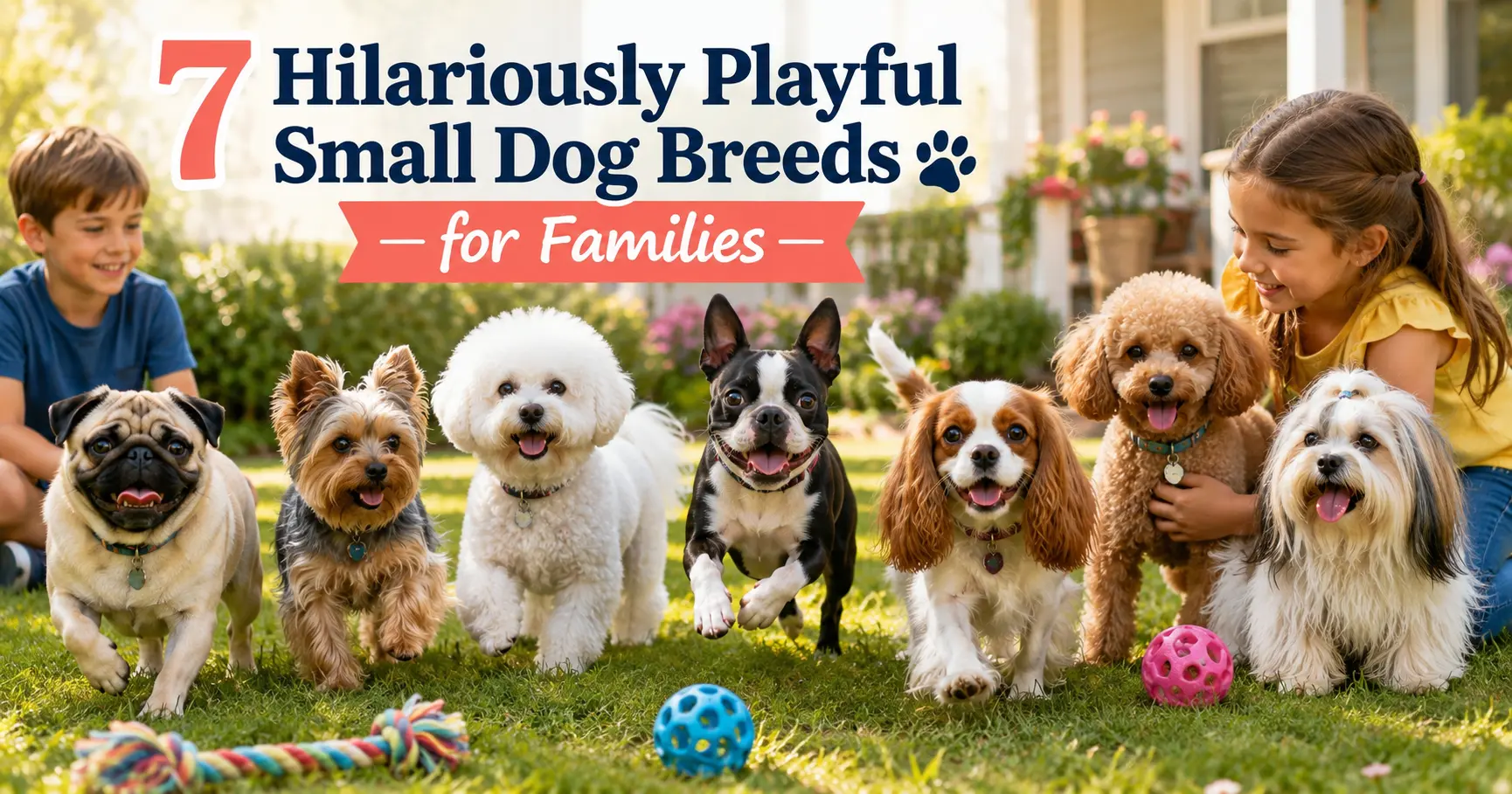
Small dog breeds and playful dogs often shape families into a more lively space filled with family pets, tiny dog energy, and a boss-like attitude that takes over the whole house in a hilarious way. These dogs feel like comedy shows inside homes, jumping on couches, breaking normal schedules, and bringing an active lifestyle full of unpredictable moments. Their endless energy turns daily routines into simple moments of fun while building strong bonds through curious nature, high energy, and affectionate behavior that increases engagement with consistent training, mental stimulation, and proper grooming.
In many families, small dogs create a deep emotional connection through playful nature and strong loyalty, becoming lifelong companions in active households. Their companionship grows through social dogs’ and energetic dogs’ behavior, making them perfect for family-friendly household pets when guided by responsible dog ownership, pet care, canine behavior, dog training, and dog grooming routines. These intelligent dogs and entertaining dogs also become cheerful pets and interactive pets, supporting emotional connection, family bonding, and playful companions inside a warm home environment with routine activities and a balanced pet lifestyle.
When children are part of the household, these playful companions show gentle dispositions, patience, adaptability, and the right energy level for family dogs. They can handle noise, playful rough handling, and well-intentioned kids while staying sturdy during play and safe interaction. Their friendly temperament builds resilience and supports family environment harmony with affectionate dogs and children sharing laughter, joy, and excitement. This also helps with injury prevention, engagement, and better understanding of dog personality, breed selection, trainability, and exercise needs, while avoiding destructive behavior, excessive barking, and boredom in a busy household routine.
Why Families Love Playful Small Dog Breeds
Small dogs offer several advantages for modern families. Their compact size makes them easier to manage, transport, and accommodate in smaller homes. Despite their size, many have huge personalities.
Benefits of playful small breeds include:
- Strong family bonds
- Easier travel and transportation
- Lower food costs compared to larger breeds
- Great indoor companionship
- Fun personalities that keep families entertained
- Good adaptability to various living environments
However, size does not eliminate the need for exercise, training, and socialization. A bored small dog can develop unwanted behaviors just as easily as a larger breed.
Quick Comparison of the Best Playful Small Dog Breeds
| Breed | Energy Level | Grooming Needs | Family Friendly | Trainability |
| Pug | Moderate | Low | Excellent | Moderate |
| Yorkshire Terrier | High | High | Good | Moderate |
| Bichon Frise | Moderate | High | Excellent | High |
| Boston Terrier | Moderate to High | Low | Excellent | High |
| English Toy Spaniel | Low to Moderate | Moderate | Good | Moderate |
| Toy Poodle | High | High | Excellent | Very High |
| Havanese | Moderate | Moderate to High | Excellent | High |
Hilariously Playful Small Dog Breeds for Families
Each of these breeds brings unique qualities to family life while delivering plenty of fun and entertainment.
1. Pug
The pug has earned a reputation as one of the funniest dog breeds in the world. Their expressive faces, playful antics, and love of attention make them natural entertainers.
Pugs thrive on human interaction. They enjoy following family members around the house and participating in everyday activities. Their goofy personalities often keep children laughing.
Key traits:
- Affectionate and social
- Moderate exercise needs
- Good with children
- Adaptable to apartment living
- Loves attention and play
While Pugs enjoy playtime, they can overheat in hot weather. Always provide fresh water and avoid strenuous exercise during warm conditions.
2. Yorkshire Terrier
Yorkshire Terriers may be small, but they possess enormous confidence. These energetic little dogs love exploring, playing, and interacting with their families.
Yorkies often act much larger than they really are. Their curiosity and fearless attitude create many entertaining moments around the home.
Key traits:
- Energetic and lively
- Intelligent and alert
- Loyal family companion
- Great for interactive games
- Enjoys learning tricks
Regular grooming helps maintain their beautiful coat. Early socialization also helps prevent excessive barking.
3. Bichon Frise
The Bichon Frise combines a cheerful personality with a playful spirit. This fluffy companion loves making people happy and often acts like a permanent puppy throughout adulthood.
Families appreciate the breed’s friendly nature and willingness to join games and activities. Bichons typically get along well with children and visitors.
Key traits:
- Happy and outgoing
- Highly social
- Loves family interaction
- Easy to train
- Excellent companion dog
Consistent grooming keeps their coat healthy and comfortable.
4. Boston Terrier
Often called the “American Gentleman” because of its tuxedo-like markings, the Boston Terrier combines good manners with a playful personality.
Boston Terriers enjoy family activities and usually adapt well to households with children. They balance playfulness and calm behavior exceptionally well.
Key traits:
- Friendly and affectionate
- Intelligent and trainable
- Good with children
- Moderate grooming needs
- Loves interactive play
Their adaptable nature makes them suitable for many types of families.
5. English Toy Spaniel
The English Toy Spaniel brings a softer, gentler style of playfulness. While not as energetic as some breeds on this list, they enjoy family interaction and playful activities.
These dogs form strong bonds with their owners and often prefer being close to family members throughout the day.
Key traits:
- Gentle temperament
- Loving companion
- Moderate activity needs
- Enjoys indoor play
- Loyal and affectionate
They work especially well for families seeking a playful dog without extremely high exercise demands.
6. Toy Poodle
The Toy Poodle ranks among the smartest dog breeds. Their intelligence, athletic ability, and eagerness to learn make them exceptionally entertaining family companions.
Toy Poodles quickly master tricks, games, and obedience commands. Their playful nature combines perfectly with their desire to please.
Key traits:
- Extremely intelligent
- Highly trainable
- Loves games and challenges
- Great with families
- Adaptable and affectionate
Mental stimulation is just as important as physical exercise for this breed.
7. Havanese
The Havanese excels as a family companion. These charming dogs love social interaction and often develop playful habits designed to attract attention and affection.
Their friendly personality makes them a favorite among households with children and frequent visitors.
Key traits:
- Cheerful disposition
- Highly social
- Excellent family dog
- Enjoys learning tricks
- Adaptable to different lifestyles
The Havanese often thrives when included in daily family activities.
How to Choose the Right Small Dog for Your Family
Not every playful breed fits every household. Consider several important factors before making a decision.
Family Activity Level
Active families often do well with breeds such as:
- Yorkshire Terrier
- Toy Poodle
- Boston Terrier
More relaxed households may prefer:
- Pug
- English Toy Spaniel
Grooming Commitment
Some breeds require significantly more coat care than others.
| Low Maintenance | Higher Maintenance |
| Pug | Yorkshire Terrier |
| Boston Terrier | Bichon Frise |
| English Toy Spaniel | Toy Poodle |
| Havanese |
Children in the Home
Most breeds on this list can do well with respectful children. However, supervision remains important, especially around younger kids.
Teach children:
- Gentle handling
- Respect for resting dogs
- Appropriate play
- Reading basic dog body language
Daily Care Tips for Playful Small Dogs
Playful breeds need structure to stay happy and healthy.
Exercise
Most small dogs benefit from:
- Daily walks
- Interactive games
- Fetch sessions
- Puzzle toys
- Training exercises
Mental Stimulation
Mental exercise prevents boredom and unwanted behaviors.
Helpful activities include:
- Treat puzzles
- Hide-and-seek games
- Trick training
- Obedience practice
- Scent games
Social Interaction
These breeds generally enjoy spending time with people. Long periods of isolation may lead to:
- Excessive barking
- Destructive behavior
- Anxiety
- Attention-seeking habits
Common Mistakes Families Make
Many owners underestimate the needs of small dogs.
Treating Small Dogs Like Toys
Small size does not eliminate the need for training, exercise, and boundaries.
Skipping Training
Many people excuse unwanted behaviors because the dog is small. This can create long-term problems.
Lack of Mental Stimulation
Intelligent breeds such as Toy Poodles and Yorkshire Terriers need regular mental challenges.
Overfeeding
Small dogs gain weight quickly. Follow appropriate feeding guidelines and limit excessive treats.
Supplies That Help Playful Small Dogs Thrive
| Supply | Why It Helps |
| Soft training treats | Supports positive training |
| Interactive puzzle toys | Prevents boredom |
| Lightweight leash | Encourages safe walks |
| Comfortable bed | Promotes quality rest |
| Grooming tools | Maintains coat health |
| Chew toys | Supports healthy chewing habits |
| Food puzzle feeders | Adds mental stimulation |
Troubleshooting Guide for Common Issues
| Problem | Likely Reason | What To Do |
| Excessive barking | Boredom or lack of training | Increase exercise and training |
| Destructive chewing | Insufficient mental stimulation | Add puzzle toys and play sessions |
| Hyperactivity indoors | Lack of exercise | Increase daily activity |
| Separation anxiety | Too much dependence | Practice gradual alone time |
| Ignoring commands | Inconsistent training | Use rewards and consistency |
Do’s and Don’ts for Raising Playful Small Dogs
| Do | Don’t |
| Use positive reinforcement | Use harsh punishment |
| Provide daily exercise | Ignore energy needs |
| Socialize early | Force uncomfortable interactions |
| Maintain regular vet visits | Skip preventive care |
| Keep training consistent | Change rules frequently |
| Offer mental challenges | Leave dogs bored all day |
Health Considerations for Small Family Dogs
Every breed has potential health concerns. Regular veterinary care helps identify problems early.
Watch for:
- Changes in appetite
- Sudden behavior changes
- Difficulty breathing
- Limping
- Persistent coughing
- Unusual fatigue
If symptoms appear suddenly or seem severe, contact a veterinarian promptly.
This article provides general information and does not replace professional veterinary advice.
Are Small Playful Dogs Good for First-Time Owners?
Many breeds on this list work well for beginners.
The most beginner-friendly options include:
- Bichon Frise
- Boston Terrier
- Havanese
- Pug
- Toy Poodle
These breeds generally combine trainability, friendliness, and adaptability, making them easier for new dog owners to manage successfully.
Conclusion
7 Hilariously Playful Small Dog Breeds for Families show how much joy a small dog can bring into everyday life. These dogs are full of energy, love, and personality, turning normal routines into fun moments for everyone at home. Whether it is a calm cuddle or a silly burst of play, they quickly become part of the family pets.
Choosing the right breed depends on your lifestyle, patience, and time for training and care. When you give them proper attention, exercise, and love, these small dogs grow into loyal companions who bring laughter and warmth to your home every single day.
FAQs
What makes 7 Hilariously Playful Small Dog Breeds for Families special?
They combine small size with big personality, playful behavior, and strong family bonding, making them perfect for homes with kids and active routines.
Are small playful dogs good for beginners?
Yes, most small breeds are beginner-friendly if you provide basic training, care, and daily attention.
Do these small dog breeds need a lot of exercise?
They need moderate daily exercise like short walks and playtime to stay healthy and avoid boredom.
Which small, playful dog breed is easiest to train?
Toy poodles and Boston terriers are often easier to train because they are intelligent and quick learners.
Can small dogs live in apartments or small homes?
Yes, most small playful breeds adapt well to apartments as long as they get enough exercise and stimulation.
Do small playful dogs bark a lot?
Some can bark if bored or not trained properly, but early training helps control excessive barking.
Are these dogs safe for children?
Yes, many are family-friendly, but supervision is always important, especially with younger kids.
How do I stop destructive behavior in small dogs?
Give them toys, regular exercise, mental stimulation, and consistent training to reduce boredom-related behavior.
What is the biggest mistake new owners make?
Treating small dogs like toys instead of real dogs that need structure, training, and daily care.
How do I choose the right breed for my family?
Consider your lifestyle, home space, grooming time, and how much training you can provide before selecting a breed.