Quick Answer
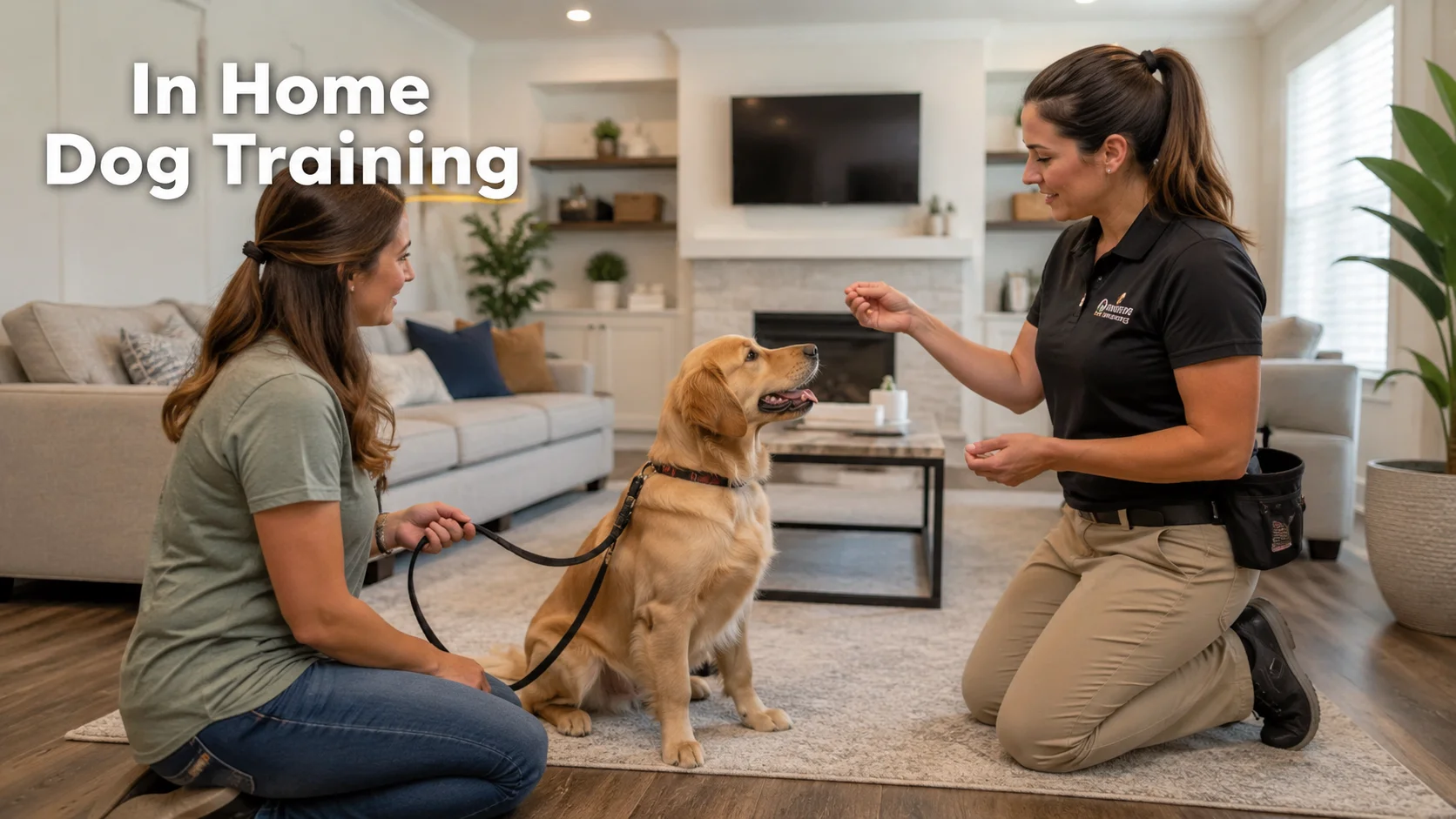
In home dog training is a personalized training service where a professional trainer comes to your home to work with your dog in its real environment. It is often used for obedience issues, leash manners, potty training, and behavior problems. Costs vary depending on location, trainer experience, session length, and training goals, but it is usually more expensive than group classes and less disruptive than board and train programs.
Introduction
Choosing in home dog training is one of the most practical options for dog owners who want real-world results without sending their dog away. Instead of training in a controlled classroom, a professional trainer works with your dog in the same environment where problems actually happen, your home. This makes it especially useful for leash pulling at the door, barking at visitors, potty accidents, or lack of obedience indoors.
For many owners in the United States and other Tier 1 countries, convenience and effectiveness matter just as much as cost. That is why understanding in home dog training prices, cost structures, and what you actually get is important before booking a trainer.
In this guide, you will learn how pricing works, what services it includes, how it compares to group classes and board and train programs, and how to choose a qualified trainer without wasting money.
What Is In Home Dog Training?
In home dog training is private training conducted inside your home or a nearby environment. A professional trainer evaluates your dog’s behavior where it naturally happens and builds a customized training plan.
Common training goals include:
- Basic obedience (sit, stay, come, down)
- Leash manners and walking control
- Potty training and crate training
- Jumping on guests
- Separation anxiety management
- Door manners and impulse control
This type of training focuses heavily on real-life behavior, not just classroom obedience.
What In Home Dog Training Includes
A typical in-home training program may include:
- Initial behavior assessment
- Customized training plan for your dog
- Hands-on training sessions with owner participation
- Homework exercises between sessions
- Guidance on reward-based training techniques
- Real-life practice in home environment
Some trainers also include follow-up calls or video reviews to track progress.
Average Cost of In Home Dog Training
The in home dog training cost varies widely depending on several factors, but it is generally priced per session or as a package.
Common pricing models:
- Per session (most common)
- Package of 3–6 sessions
- Full behavior modification program
Cost factors include the following:
- Trainer experience and certification
- Location (urban vs rural areas)
- Severity of behavior issues
- Length of each session (1 hour vs 2 hours)
- Travel distance
General expectation:
- Private in-home sessions are usually higher than group classes
- Behavior modification cases cost more than basic obedience
Instead of focusing only on price, it is important to consider long-term results and trainer quality.
In Home Dog Training Prices by Location (Examples)
Pricing can vary by city or neighborhood due to demand and cost of living.
Examples of search locations:
- In home dog training Indianapolis: often moderate pricing with many local trainers available
- In home dog training, Selden
- In home dog training Merrick
- In home dog training East Rockaway
- In home dog training Point Lookout
Urban and suburban areas near major cities usually have more competition, which can influence pricing and availability.
Private Training vs Group Classes vs Board and Train
Understanding your options helps you choose the right investment.
1. Private In Home Training
Best for:
- Behavioral issues
- Puppies learning house rules
- Busy owners
Pros:
- Personalized attention
- Real environment training
- Faster behavior correction
Cons:
- Higher cost per session
2. Group Classes
Best for:
- Basic obedience
- Socialization with other dogs
Pros:
- More affordable
- Social learning environment
Cons:
- Less individual attention
- Not ideal for behavior problems
3. Board and Train Programs
Best for:
- Intensive training needs
- Busy owners
Pros:
- Fast results in controlled environment
- Professional supervision full-time
Cons:
- Higher cost
- The dog must adjust back to home environment afterward
Canine Dimensions In Home Dog Training Review
Some owners look specifically for structured programs like Canine Dimensions in home dog training.
Canine Dimensions is known for offering in-home behavior modification and obedience training programs in several regions. Their model typically focuses on owner education, meaning the dog learns alongside the owner rather than being separated from them.
Common feedback themes include:
- Strong focus on owner involvement
- Structured behavior plans
- Emphasis on long-term results rather than quick fixes
The Canine Dimensions in home dog training cost depends on package selection and location, similar to other professional trainers.
How In Home Dog Training Works Step by Step
Step 1: Initial Assessment
Trainer evaluates behavior issues and environment.
Step 2: Goal Setting
Owner and trainer define clear goals like leash walking or potty training.
Step 3: First Training Session
The trainer demonstrates techniques and begins hands-on work.
Step 4: Owner Practice
The owner repeats exercises between sessions.
Step 5: Follow-Up Sessions
Trainer adjusts techniques based on progress.
Step 6: Maintenance Plan
Long-term routine is created to maintain results.
Common Mistakes Dog Owners Make
Many training failures happen due to owner habits, not dog behavior.
Common mistakes include:
- Inconsistent commands
- Rewarding bad behavior unintentionally
- Skipping practice sessions
- Expecting fast results
- Using punishment instead of guidance
Consistency matters more than intensity.
Sample In Home Training Routine
A simple daily structure might look like:
- 10 minutes leash training in yard or hallway
- 5 minutes sit/stay practice before meals
- Short recall practice indoors
- Reward calm behavior around guests
- Crate training session for relaxation,
Short, frequent sessions work better than long, stressful ones.
How to Choose a Professional Dog Trainer
When selecting a trainer for in home dog training, look for:
- Experience with your dog’s specific issue
- Positive reinforcement methods
- Clear training plan
- Owner participation requirement
- Good communication style
Questions to ask before booking:
- What methods do you use for behavior issues?
- How do you measure progress?
- How many sessions are typically needed?
- Do you offer follow-up support?
Red Flags to Avoid
Be careful if a trainer
- Uses fear or punishment as main method
- Guarantees instant results
- Refuses owner involvement
- Avoids explaining techniques
- Uses outdated dominance-based methods
A good trainer builds trust, not fear.
How to Become a Dog Trainer
Many people interested in in home dog training services also explore how to become a professional trainer.
Common path includes:
- Learning canine behavior basics
- Hands-on experience with dogs
- Apprenticeship under experienced trainers
- Certification programs (optional but helpful)
- Building real-world training practice
Skills needed:
- Communication with owners
- Understanding behavior problems
- Patience and consistency
- Problem-solving ability
When to Seek Professional Help
You should consider a professional trainer if:
- Your dog shows ongoing behavior issues
- Training progress has stalled
- You feel overwhelmed or inconsistent
- There is aggression, fear, or anxiety behavior
- Basic obedience is not improving
Early help often prevents problems from becoming long-term habits.
Conclusion
In-home dog training is one of the most effective ways to improve your dog’s behavior because it focuses on real-life situations inside your home. While pricing varies based on location and trainer experience, the real value comes from personalized guidance and consistent owner involvement.
Whether you choose private sessions, group classes, or structured programs, success depends on patience, practice, and clear communication with your trainer. Reward-based training and daily consistency will always produce better long-term results than quick fixes.
FAQs
1. How much does in home dog training cost on average?
Costs vary based on location, trainer experience, and session length. Private in-home training is usually more expensive than group classes but more personalized.
2. Is in-home dog training better than group classes?
It depends on your dog’s needs. In home training is better for behavior issues, while group classes are good for basic obedience and socialization.
3. How many sessions does in-home dog training take?
Most dogs need several sessions depending on behavior complexity and owner consistency. Trainers usually create a customized plan.
4. Does in-home dog training work for puppies?
Yes, it is very effective for puppies, especially for potty training, crate training, and early obedience.
5. What is included in in-home dog training sessions?
Sessions usually include behavior assessment, hands-on training, owner guidance, and a practice plan between visits.
6. Can aggressive dogs be trained at home?
Yes, but it requires a skilled trainer and careful safety management. Professional guidance is strongly recommended.
7. Is in-home dog training worth the cost?
For many owners, yes. It provides real-world results in the environment where behavior problems actually happen.
8. How do I know if a trainer is qualified?
Look for experience, positive reinforcement methods, clear communication, and structured training plans.