Quick Note
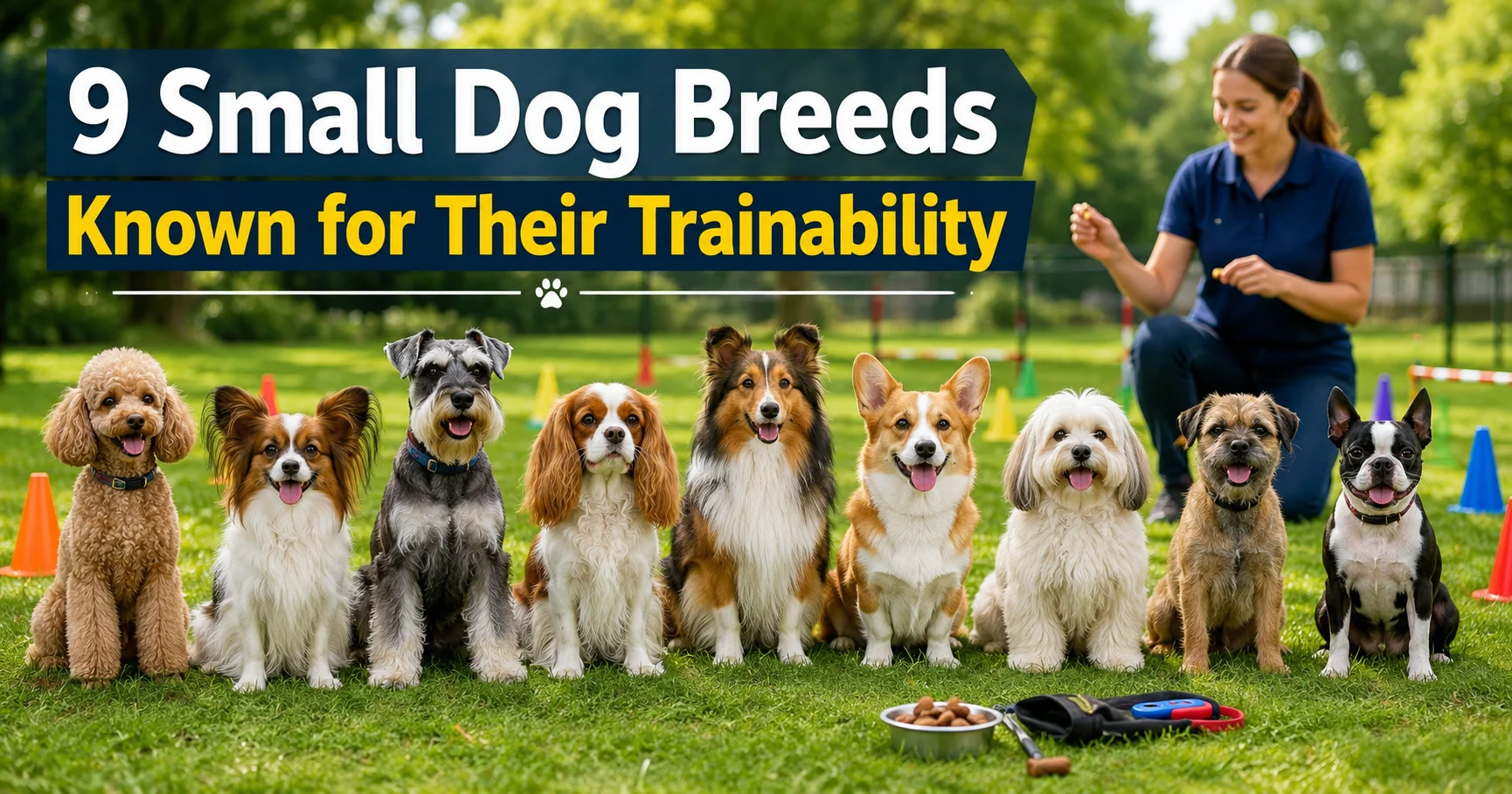
If you want a small dog that learns quickly and fits well into family life, focus on breeds with strong people skills, steady energy, and food or toy motivation. Start training early with short 5- to 10-minute sessions, reward good behavior immediately, and stay consistent with commands. The best small dog breeds known for their trainability respond well to positive routines, patience, and daily mental exercise instead of punishment.
Introduction
Many people love small dogs because they fit easily into apartments, travel well, and often live long lives. But some owners quickly realize that size does not always make training easier. A small dog can still bark excessively, ignore commands, pull on the leash, chew furniture, or become stubborn if training starts too late or lacks consistency.
That is why choosing one of the small dog breeds known for their trainability can make life much easier. A highly trainable small dog usually learns commands faster, adapts better to routines, and responds well to reward-based training. These dogs often enjoy learning new tricks, following structure, and staying close to their owners.
Still, even smart breeds need proper guidance. Many dog owners accidentally create behavior problems by skipping socialization, using inconsistent commands, or expecting too much too quickly. Small dogs also need mental exercise, not just cuddles and short walks.
In this guide, you will learn about 9 trainable small dog breeds, their personalities, exercise needs, grooming care, beginner friendliness, and common training mistakes to avoid. You will also find practical training tips, supplies, troubleshooting advice, and FAQs to help you choose the right dog for your lifestyle.
What Makes a Small Dog Easy to Train?
Not every intelligent dog becomes easy to train. Some breeds learn commands fast but also become bored quickly or test boundaries often. The most trainable small dogs usually share a few important traits:
- They enjoy human interaction
- They respond well to treats or praise
- They stay focused during short lessons
- They repeat behaviors consistently
- They recover quickly from distractions
- They enjoy routines and structure
Early socialization also plays a huge role. Even the smartest dog may develop fear, barking, or stubborn habits without proper exposure to people, sounds, and environments.
Comparison Table of Trainable Small Dog Breeds
| Breed | Energy Level | Grooming Needs | Beginner Friendly | Apartment Friendly | Trainability |
|---|---|---|---|---|---|
| Poodle | Medium to High | Moderate | Yes | Yes | Excellent |
| Papillon | Medium | Low | Yes | Yes | Excellent |
| Miniature Schnauzer | Medium | Moderate | Yes | Yes | Very Good |
| Cavalier King Charles Spaniel | Medium | Moderate | Very yes. | Yes | Very Good |
| Shetland Sheepdog | High | High | Moderate | Moderate | Excellent |
| Corgi | Medium to High | Moderate | Moderate | Moderate | Excellent |
| Havanese | Medium | Moderate | Yes | Yes | Very Good |
| Border Terrier | Medium | Low | Moderate | Yes | Good |
| Boston Terrier | Medium | Low | Yes | Yes | Very Good |
1. Poodle

Why Poodles Train So Well
The Poodle ranks among the smartest dog breeds in the world. Toy and Miniature Poodles learn commands quickly and usually enjoy training sessions. They pay close attention to their owners and often succeed in obedience, agility, and trick training.
Poodles also adapt well to apartment life when owners provide daily exercise and mental stimulation.
Training Tips for Poodles
- Use puzzle toys to prevent boredom
- Keep sessions fun and varied
- Practice basic commands daily
- Introduce leash training early
- Reward calm behavior indoors
Common Mistake
Many owners underestimate their intelligence. A bored poodle may bark, chew, or create attention-seeking behaviors.
2. Papillon

Why Papillons Learn Fast
The Papillon may look delicate, but this breed has sharp intelligence and excellent focus. Papillons love interactive learning and often master tricks faster than larger breeds.
They usually respond well to praise and food rewards.
Best Training Areas
- Recall training
- Agility practice
- Trick learning
- Leash manners
- Confidence building
Exercise Needs
Papillons need daily activity even though they stay small. Mental stimulation matters just as much as physical exercise.
3. Miniature Schnauzer

Personality and Trainability
The Miniature Schnauzer combines intelligence with alertness. This breed enjoys having a job and usually learns routines quickly.
Miniature Schnauzers often make excellent companions for active households because they enjoy structured daily schedules.
Things to Watch For
Without training, they may:
- Bark excessively
- Become territorial
- Chase small animals
- Ignore recall outdoors
Grooming Needs
Their coat requires regular trimming and brushing to prevent matting.
4. Cavalier King Charles Spaniel

Why Beginners Love This Breed
The Cavalier King Charles Spaniel stays friendly, affectionate, and eager to please. Many first-time owners find this breed easier to handle because it responds gently to positive reinforcement.
Ideal Home Environment
This breed usually does best in homes where people spend plenty of time with the dog. Cavaliers dislike long periods of isolation.
Training Advice
- Use calm voices
- Avoid harsh corrections
- Keep routines predictable
- Socialize early with people and dogs
5. Shetland Sheepdog

Extremely Smart but Sensitive
The Shetland Sheepdog learns commands very quickly. This breed often excels in obedience sports and advanced trick training.
However, Shelties can become nervous without proper socialization.
Common Training Challenges
- Barking at noises
- Herding children or pets
- Fearfulness around strangers
- Sensitivity to stress
Best Training Approach
Use encouragement and repetition instead of loud corrections. Sensitive dogs shut down when owners become harsh or impatient.
6. Corgi

Smart and Food Motivated
The Pembroke Welsh Corgi often learns quickly because it enjoys rewards and problem-solving. Corgis stay energetic and confident, which helps during training.
Important Warning
Corgis may become bossy or stubborn if owners allow unwanted behaviors early.
Focus Areas
- Leash manners
- Impulse control
- Recall practice
- Barking management
- Weight control through exercise
7. Havanese

Social and Adaptable
The Havanese usually bonds closely with families and learns routines well. This breed adapts nicely to apartment living and often enjoys meeting people.
Why Owners Like Them
- Friendly personality
- Moderate energy
- Easy social behavior
- Strong attachment to owners
Training Reminder
Avoid overprotecting small dogs. Some owners accidentally create fearfulness by carrying them everywhere instead of teaching confidence.
8. Border Terrier

Independent but Trainable
The Border Terrier has a more independent personality than some companion breeds, but it still learns well with patience and consistency.
Best Motivation Methods
- High-value treats
- Short lessons
- Play rewards
- Positive reinforcement
Challenge to Expect
Terriers often become distracted outdoors because of their strong prey drive.
9. Boston Terrier

Friendly and Eager to Learn
The Boston Terrier combines friendliness with trainability. This breed usually enjoys social interaction and responds well to structured lessons.
Great for Beginners
Boston Terriers often suit first-time dog owners because they:
- Learn household routines quickly
- Adapt to smaller homes
- Enjoy human attention
- Stay playful without extreme exercise demands
Supplies That Help Train Small Dogs
Training becomes easier when owners prepare the right supplies before bringing a dog home.
| Supply | Why It Helps |
|---|---|
| Small soft treats | Rewards good behavior quickly |
| Lightweight leash | Helps with leash training |
| Adjustable harness | Reduces neck strain |
| Clicker | Marks good behavior clearly |
| Puzzle toys | Prevents boredom |
| Crate or puppy pen | Supports house training |
| Chew toys | Reduces destructive chewing |
| Treat pouch | Keeps rewards ready during walks |
Step-by-Step Training Routine for Small Dogs
Start With Basic Commands
Teach simple commands first:
- Sit
- Stay
- Come
- Leave it
- Down
- Watch me
Practice indoors before adding distractions outside.
Keep Sessions Short
Small dogs often learn best with 5- to 10-minute sessions. Several short lessons work better than one long training session.
Reward Immediately
Give rewards within one or two seconds of correct behavior. Fast timing helps dogs connect actions with rewards.
Stay Consistent
Use the same cue words every day. Switching between different commands confuses dogs.
Daily Routine for a Trainable Small Dog
| Time | Activity |
|---|---|
| Morning | Potty break and short walk |
| Breakfast | Feeding with simple training |
| Midday | Play and mental stimulation |
| Afternoon | Short obedience session |
| Evening | Walk and calm social time |
| Night | Final potty break and quiet rest |
Common Mistakes Owners Make
Skipping Early Socialization
Dogs need safe exposure to people, sounds, surfaces, and environments while young. Fearful dogs may struggle during training later.
Allowing Bad Habits Because the Dog Is Small
Some owners ignore jumping, barking, or nipping because the dog feels tiny and harmless. Small behaviors often become big problems later.
Using Punishment
Shouting or physical correction damages trust and may increase fear or aggression. Positive reinforcement creates stronger long-term results.
Inconsistent Rules
Dogs become confused when one family member allows behaviors that another person punishes.
Do’s and Don’ts for Training Small Dogs
| Do | Don’t |
|---|---|
| Reward good behavior quickly | Punish mistakes harshly |
| Keep lessons short | Train too long |
| Use calm repetition | Yell commands repeatedly |
| Socialize safely | Force scary interactions |
| Exercise daily | Expect training without activity |
| Practice indoors first | Start in distracting places |
Troubleshooting Guide for Trainable Small Dogs
| Problem | Likely Reason | What to Do |
|---|---|---|
| The dog ignores commands | Too many distractions | Practice indoors first |
| Excessive barking | Boredom or alert behavior | Add exercise and mental games |
| Pulling on leash | Excitement or lack of practice | Reward loose-leash walking |
| Fear around strangers | Poor socialization | Use calm exposure slowly |
| Chewing furniture | Teething or boredom | Provide safe chew toys |
| Refusing treats during training | Stress or distraction | Move to a calmer area |
Apartment Living Tips for Small Dogs
Many trainable small dogs adapt very well to apartments, but owners still need structure and exercise.
Prevent Excess Barking
Teach quiet behavior early. Reward calm moments before barking becomes a habit.
Use Indoor Mental Games
Try:
- Puzzle feeders
- Nose work games
- Trick training
- Hide and seek
- Food-dispensing toys
Avoid Long Isolation
Small companion breeds often become anxious when left alone too often.
Safety Tips Every Owner Should Know
Avoid Unsafe Training Tools
Do not use shock collars, choke chains, or harsh punishment methods without professional guidance. These methods may increase fear and damage trust.
Watch for Sudden Behavior Changes
If a normally friendly dog suddenly becomes aggressive, fearful, or withdrawn, contact a veterinarian. Pain or illness sometimes causes behavior changes.
Socialize Safely
Do not force nervous dogs into crowded environments immediately. Start with calm settings and controlled introductions.
Protect Small Dogs Physically
Small breeds can get injured more easily during rough play with larger dogs. Supervise interactions carefully.
When to Ask a Professional Trainer
Some situations require extra help.
Contact a professional trainer if your dog:
- Shows aggression
- Guards food or toys
- Bites frequently
- Becomes extremely fearful
- Cannot settle indoors
- Fails to improve after consistent training
Choose trainers who use reward-based methods and avoid fear-based handling.
How to Choose the Right Trainable Small Dog
The smartest breed is not always the best fit. Think about:
- Your daily schedule
- Exercise time available
- Grooming commitment
- Noise tolerance
- Experience level
- Living space
- Family lifestyle
A high-energy intelligent dog may struggle in a low-activity home. Matching personality and lifestyle matters just as much as trainability.
Conclusion
Choosing one of the small dog breeds known for their trainability can make dog ownership more enjoyable and less stressful. Breeds like the Poodle, Papillon, Miniature Schnauzer, and Havanese often learn quickly and adapt well to family routines when owners stay patient and consistent.
No matter which breed you choose, success depends on early socialization, positive reinforcement, daily mental stimulation, and realistic expectations. Small dogs still need structure, exercise, and guidance to become calm and confident companions. With the right approach, these intelligent little dogs can become loyal, well-behaved members of the family.
FAQs
Which small dog breed is the easiest to train?
Poodles usually rank among the easiest small dog breeds to train because they learn commands quickly and enjoy working with people.
Are small dog breeds harder to potty train?
Some small breeds take longer to potty train because of smaller bladders and inconsistent schedules. Frequent potty breaks and supervision help a lot.
What age should I start training a small dog?
Most puppies can start simple training and socialization around 8 weeks old using short reward-based sessions.
Do trainable small dogs still bark a lot?
Yes, some highly intelligent breeds bark frequently without enough exercise or mental stimulation. Early training helps control barking.
Are small dog breeds good for apartments?
Many trainable small dogs adapt very well to apartment life if owners provide walks, mental games, and routine.
How long should small dog training sessions last?
Short sessions of 5 to 10 minutes usually work best for small breeds, especially puppies.
Which small dog breeds known for their trainability are best for beginners?
Cavalier King Charles Spaniels, Boston Terriers, and Havanese dogs often suit beginner owners because they stay friendly and eager to please.
What should I do if my small dog ignores commands?
Reduce distractions, use higher-value rewards, and practice in calm indoor spaces before training outdoors.
Do small dogs need professional training classes?
Not always, but group classes can improve socialization, focus, and owner confidence.
Can older small dogs still learn new commands?
Yes. Older dogs can still learn successfully with patience, rewards, and consistent practice.