Quick Answer
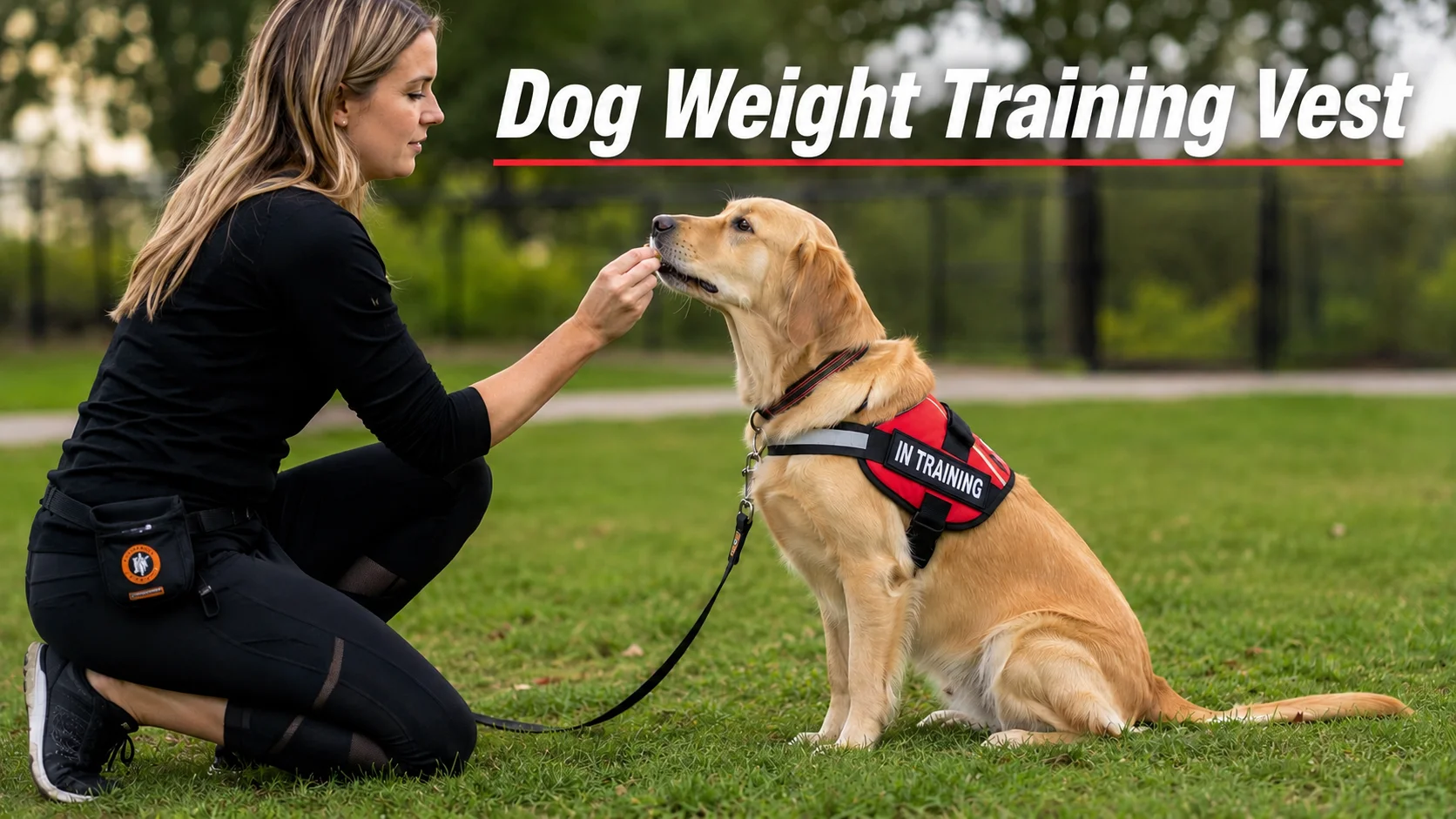
A dog weight training vest is a specially designed vest that adds controlled resistance during walks or training sessions to help build strength, improve focus, and increase endurance. When used correctly, it supports structured obedience training, leash manners, and calm behavior. However, it must be introduced slowly, kept lightweight, and combined with positive reinforcement to avoid strain or discomfort.
Introduction
A dog weight training vest is becoming more common among dog owners who want to improve their dog’s strength, focus, and overall discipline during structured training. It is not just about adding weight. It is about controlled conditioning that supports better leash behavior, mental engagement, and calmness in distracting environments.
Many owners assume this type of vest is only for athletic dogs, but it can also be used carefully for beginner training, especially for dogs that need extra mental focus or controlled exercise. The key is understanding how, when, and why to use it safely.
In this guide, you will learn exactly what a dog weight training vest does, when to use it, how to introduce it step by step, and what mistakes to avoid. You will also get a practical weekly training plan, real-world examples, and safety advice so you can train your dog confidently without causing stress or injury.
What a Dog Weight Training Vest Means
A dog weight training vest is a fitted vest that allows small, adjustable weights to be added evenly across your dog’s body. Unlike collars or harsh tools, it distributes resistance across the chest and torso.
Purpose of the vest:
- Build controlled muscle strength
- Improve focus during walking and training
- Increase stamina during exercise
- Support structured obedience sessions
This tool is not meant for punishment or forced resistance. It is only effective when paired with positive reinforcement and gradual conditioning.
When to Use a Dog Weight Training Vest
A dog’s weight training vest should only be used in specific situations where your dog is physically ready and mentally stable.
Suitable situations:
- Adult dogs with basic leash training
- Dogs needing extra focus during walks
- Controlled fitness routines for active breeds
- Structured obedience training in distraction-heavy areas
Not suitable for:
- Puppies under 12–18 months (depending on breed)
- Dogs with joint or back issues
- Anxious or fearful dogs without prior training
If your dog shows signs of pain, fatigue, or stress, stop immediately and consult a veterinarian.
Benefits of a Dog Weight Training Vest
When used correctly, this training tool can support multiple areas of development.
Physical benefits:
- Improved muscle tone
- Better posture and balance
- Increased endurance during walks
Training benefits:
- Better leash manners
- Improved impulse control
- Increased attention to handler
Behavioral benefits:
- Reduced hyperactive walking behavior
- More structured movement in public spaces
- Improved calmness during training sessions
However, these benefits only appear when training is gradual and consistent.
Step-by-Step Method to Use a Dog Weight Training Vest
Introducing a dog weight training vest must be slow and structured. Rushing this process can lead to stress or injury.
Step 1: Introduce the vest without weight
Let your dog sniff and explore the vest.
- Place it near their resting area
- Reward calm curiosity with treats
- Do not force wearing it immediately
Step 2: Short wearing sessions
Start with 5 to 10 minutes indoors.
- Use positive reinforcement
- Reward calm behavior
- Remove before your dog gets uncomfortable
Step 3: Add very light weight
Begin with minimal resistance.
- Keep weight extremely low
- Observe movement and comfort
- Avoid long sessions
Step 4: Short leash walks
Move training outdoors.
- Choose low-distraction areas
- Focus on loose leash walking
- Reward calm walking every few steps
Step 5: Gradually increase duration
Increase time slowly over weeks.
- Add 2–5 minutes per session
- Monitor fatigue signs
- Always prioritize comfort over performance
Step 6: Combine with obedience training
Include commands like:
- Sit
- Stay
- Heel
- Recall
This creates mental structure along with physical conditioning.
Common Mistakes to Avoid
Many owners misuse a dog weight training vest, which can lead to problems.
Avoid these mistakes:
- Adding too much weight too quickly
- Using the vest for long daily walks immediately
- Skipping warm-up sessions
- Using it on anxious or reactive dogs
- Treating it as a “quick fix” for behavior problems
Warning signs of misuse:
- Heavy panting early in training
- Reluctance to walk
- Stiff movement or limping
- Loss of interest in training
If any of these appear, stop immediately.
Sample Weekly Training Plan
A structured plan helps your dog adapt safely.
Weeks 1-2: Phase of introduction
- 5–10 minutes indoor vest exposure
- No weight added
- Focus on calm behavior and treats
Weeks three and four: Light conditioning
- Very light weight added
- 10–15 minute walks
- Basic commands during walk
Week 5–6: Controlled outdoor training
- 15–25 minute walks
- Add mild distractions
- Practice heel and recall
Week 7+: Maintenance phase
- Consistent short sessions
- Combine obedience + walking
- Monitor comfort regularly
Consistency is more important than intensity.
Training Environment Matters
Where you train plays a big role in results.
Ideal environments:
- Quiet parks
- Low-traffic walking areas
- Controlled fields
For advanced socialization and distraction training, structured areas like Golden Gate Park Dog Training Area are often used by trainers because they provide controlled exposure to other dogs and people.
Avoid:
- Hot pavement
- Crowded chaotic areas at early stages
- Slippery surfaces
Training Tools That Work Well With the Vest
A vest works best when combined with other positive training tools.
Helpful tools:
- Treat pouch for quick rewards
- Clicker or marker word system
- Dog training toys for engagement
- Long leash for recall practice
Using positive reinforcement consistently helps your dog associate training with safety and reward.
Training a Calm Behavior Pattern
The goal is not just physical conditioning but also calmness.
How to encourage calm behavior:
- Reward slow, controlled walking
- Stop moving when dog pulls
- Resume only when leash is loose
- Keep sessions short and focused
Over time, your dog learns that calm behavior leads to progress.
Training an Anxious Dog With a Vest
A dog weight training vest is not recommended for anxious dogs unless a trainer approves it.
Safer approach:
- Focus on desensitization first
- Use low-stress environments
- Increase confidence with food rewards
- Avoid physical pressure tools
If anxiety is severe, consult a professional trainer or veterinary behaviorist.
Dog Training Games to Support Vest Training
Games help build engagement without pressure.
Useful games:
- Fetch with recall practice
- Tug with impulse control breaks
- Hide and seek with treats
- Slow structured walking games
These improve focus and reduce boredom.
Beginner Mistakes in Weight Vest Training
Many beginners expect fast results.
Common beginner mistakes:
- Expecting quick muscle changes
- Ignoring rest days
- Skipping warm-up walks
- Using inconsistent commands
Training should feel predictable for your dog.
When to Ask a Professional Trainer
Seek help if:
- Your dog shows pain or discomfort
- Behavior worsens during training
- You are unsure about weight levels
- Your dog has anxiety or reactivity
A certified trainer can adjust the program safely and avoid long-term issues.
Practical Example Training Routine
Here is a simple daily routine:
- 5-minute calm warm-up walk (no vest)
- Put on vest (lightweight only)
- 10–15 minute structured walk
- Practice sit and heel every few minutes
- End session with play or rest
Keep the total session under 30 minutes for beginners.
Conclusion
A dog weight training vest can be a useful tool when introduced carefully and used with proper training structure. It is not a shortcut but a conditioning aid that supports obedience, focus, and controlled exercise.
The best results come from patience, gradual progression, and reward-based training. Always watch your dog’s comfort level and adjust based on behavior rather than forcing progression. Consistency matters more than intensity, and safety should always come first.
FAQs
1. Is a dog weight training vest safe for all dogs?
No. It is best for healthy adult dogs with basic obedience training already in place.
2. How heavy should a dog’s weight training vest be?
It should start extremely light, often just a small percentage of the dog’s body weight.
3. Can puppies use a weight training vest?
No, puppies should avoid weighted training until their bones and joints are fully developed.
4. How long should a dog wear a training vest?
Short sessions of 10–30 minutes are usually enough, depending on experience level.
5. Does a weight vest help with behavior problems?
It can support structure, but it does not fix anxiety, aggression, or fear on its own.
6. Can I use a vest for daily walks?
Only if your dog is fully conditioned and comfortable with it. Otherwise, limit usage.
7. What if my dog refuses to walk with the vest?
Stop immediately and go back to shorter, easier exposure steps.
8. Should I consult a trainer before using it?
Yes, especially if your dog has behavioral or physical concerns.